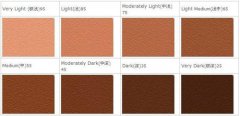
Understanding the 5 Main Coffee Roast Levels
Ever wondered why the same coffee bean tastes fruity and bright in one café and smoky and bold in another? The answer often comes down to roast level—not bean origin or brewing style. Roast degree dramatically shifts flavor, acidity, and body, yet many drinkers can’t name the different roast types or what sets them apart.
In specialty coffee, there are five widely recognised roast levels: Cinnamon, City, Full City, Vienna, Italian, and French. Each has a distinct colour range, surface oil presence, and impact on flavour development. Below, we break down each one with exact visual cues and brewing implications.
What Is a Coffee Roast Level?
Coffee roast level refers to how long and at what temperature green coffee beans are roasted. This process transforms raw beans from hard, grassy, and flavourless into aromatic, flavourful beans ready for brewing. The longer and darker the roast, the more the original bean flavours are replaced by roast-derived traits like caramel, chocolate, or smoke.
The 5 Standard Coffee Roast Levels Explained
1. Cinnamon Roast (Lightest)
This is the lightest commercial roast level. At this stage, the beans remain light brown with no surface oils visible. The roast stops very early in the coffee’s development curve—usually just after the first crack. There is minimal Maillard reaction or sugar caramelisation, resulting in sharp acidity, grassy or grainy notes, and high caffeine perception. Larger commercial roasters sometimes include Cinnamon Roast beans in blends to reduce costs and increase yield.
2. City Roast (Light-Medium)
City Roast, a term dating back to the 19th century, produces a slightly darker bean than Cinnamon but still shows no surface oil. It typically occurs just after or midway through the first crack. The roast preserves much of the bean’s origin character while starting to develop some roast flavours. The term “Full City” is now used for the next darker stage—beans that are slightly deeper in colour than City Roast. Both roast levels retain a dry surface.
3. Full City Roast (Medium)
(Note: Although not explicitly named in the Chinese text, “Full City” is implied as the next standard roast after City, based on historical usage and the description of beans “”.) Full City Roast sits between City and Vienna. It is a medium roast where beans are usually a medium brown and still show no oils, but have more developed sweetness and body due to further Maillard reactions and sugar development. This is often considered the ideal roast level for highlighting balanced origin characteristics and roast complexity.
4. Vienna Roast (Medium-Dark)
Vienna Roast marks the beginning of the second crack. Oils just start to emerge on the bean surface, and you’ll notice deep brown patches. This roast highlights a balance between origin flavours and roast notes, often yielding notes of caramel, nuts, and darker spice. It’s a common roast for espresso blends and drip coffee alike. The colour is distinctly darker than City or Full City, and the roast profile brings more body and less acidity.
5. Italian Roast (Dark)
Italian Roast sees the bean surface covered by oils more uniformly. The colour becomes a consistent creamy chocolate brown. This level is darker than Vienna and shows increased roast flavours such as bittersweet chocolate and smokiness. Regional preferences heavily influence how Italian Roast is executed—some versions lean more toward sweet darkness, others toward intense roast bitterness. Acidity is significantly muted, and body is heavier.
6. French Roast (Darkest)
French Roast is the darkest commonly used commercial roast. The beans are nearly black, covered entirely in surface oil, and exhibit a heavy, bitter-chocolate colour. At this stage, the beans are heavily carbonised, and most origin characteristics are burnt off. The roast flavour—smoke, ash, and dark chocolate—dominates. It's difficult to distinguish between bean origins at this roast level. French Roast is favoured for strong, bold cups, especially in traditional European espresso preparation.
Why Roast Level Matters
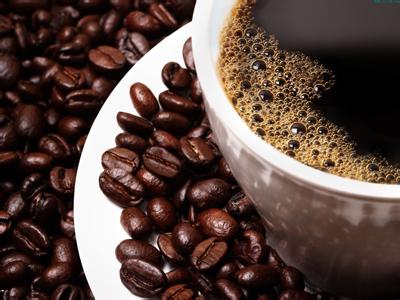
Roast level determines which flavours you taste in your cup. Lighter roasts preserve floral, fruit, and acidic notes. As roasts darken, those delicate attributes fade, giving way to caramel, nut, chocolate, and eventually carbonised, smoky tones. Surface oils, colour changes, and the timing of the first and second cracks are all visible indicators of these transformations.
How to Choose the Right Roast
If you enjoy bright, juicy, and aromatic coffees—think citrus, berries, florals—opt for a City or lighter roast. For those who prefer richer, sweeter, and fuller-bodied cups, Vienna to French roasts offer more roast-driven complexity. Many specialty coffee drinkers find their preferences lie within the City to Full City range, where origin and roast balance each other.
Frequently Asked Questions
What is the lightest common coffee roast level?
The lightest standard roast is Cinnamon Roast, which is very light brown, has no surface oils, and stops just after the first crack. It emphasises bean origin traits but can taste grassy or sharp.
At which roast level do coffee beans first show surface oils?
Surface oils begin to appear at the Vienna Roast level, which is a medium-dark roast where beans show deep brown patches and the first signs of oils on the surface.
What roast level has no visible oils on the beans?
Cinnamon, City, and Full City roasts typically show no surface oils. Oils become visible starting at the Vienna Roast level and become more prominent in Italian and French roasts.
Which roast preserves the most acidity and floral notes?
Lighter roasts such as Cinnamon and City preserve the highest acidity and floral or fruit notes, as they avoid prolonged heat that breaks down these delicate compounds.
Why do some commercial roasters use Cinnamon Roast in blends?
Some large manufacturers include Cinnamon Roast beans in blends to lower costs and increase volume, as these beans are cheaper to produce and extend yield without significantly altering the blend’s colour.
What’s the difference between City and Full City roast?
City Roast is lighter and stops just after the first crack, with no surface oils. Full City is slightly darker, with more developed sweetness and body, but still no oils—often considered optimal for balance.
Best FrontStreet Coffee Beans for Exploring Roast Levels
Try FrontStreet’s single-origin lineup to experience how roast level shapes flavour. Their Ethiopia Yirgacheffe Gedeb cooperative coffee is a bright, juicy cup with citrus, white flowers, and tea-like qualities when brewed as a pour-over or cold drip—perfect for appreciating a light City or even Cinnamon-style roast. The Ethiopia Humbera Geisha (Panama Boquete) is a celebrated fruit bomb with jasmine, honey, and citrus notes when brewed light to medium, highlighting the clarity of a medium roast. For a more syrupy, berry-forward profile, the Kenya Little Tomato (SL28/SL34) in a light roast delivers juicy acidity with notes of cranberry and floral brightness. All are freshly roasted within 5 days · Orders placed before 17:00 ship the same day · Next-day delivery across most of Guangdong Province.
FrontStreet Coffee is a long-established specialty coffee roaster in Guangzhou China, selling freshly roasted beans from its own farm in Yunnan as well as dozens of carefully selected single-origin beans from around the world for both pour-over and espresso. The products deliver consistently excellent quality and great value, with shipping within 24 hours. Guangzhou's FrontStreet Coffee shop is recommended by many coffee lovers, and the beans are now available online at the Tmall 。
Important Notice :
前街咖啡 FrontStreet Coffee has moved to new addredd:
FrontStreet Coffee Address: 315,Donghua East Road,GuangZhou
Tel:020 38364473