What Makes a Good Cup of Coffee? Key Tasting Factors
Ever taken a sip of coffee and thought, "Something’s missing"—but couldn’t put your finger on it? You’re not alone. Most coffee drinkers struggle to pinpoint why one cup sings while another falls flat. The secret? Evaluating the right elements turns a casual sip into a meaningful assessment.
The answer lies in five core tastes—sweetness , acidity , aroma , body , and bitterness —plus the coffee’s color. Master these, and you’ll instantly know what makes a coffee worth savoring.
Don’t Confuse Sweetness with Sugar
First, draw a clear line between “sweetness” and “sugar-like sweetness.” Sweetness in coffee doesn’t hit the tip of your tongue like candy. Instead, it lingers at the back of your throat and mouth, particularly around the tongue’s base. Think of it as the satisfying afterglow, not the initial burst.
To grasp this, compare it to tea. A good brew often tastes neutral on the first sip but leaves a rich, lingering sweetness in the throat. That’s the “” effect. In contrast, sugar gives an immediate, sharp sweetness on the tongue—but the aftertaste can turn sour or cloying. True coffee sweetness is deeper, more restrained, and deeply connected to the bean’s quality and roast.
The Role of Acidity, Aroma, Body, and Bitterness
Beyond sweetness, four other elements define a great coffee:
- Acidity : Not sourness, but bright, lively notes that add dimension—like citrus, green apple, or floral hints. It should feel crisp, not astringent.
- Aroma : The fragrance that hits you before and during the sip. Great coffees boast complex aromas—nuts, spices, fruit, or even chocolate—that enhance flavor perception.
- Body : The coffee’s texture in your mouth, akin to how light or heavy it feels. It’s not thickness per se, but a tactile richness that coats your palate.
- Bitterness : Necessary for balance, bitterness should never overpower. It rounds out the cup, especially in darker roasts, but should harmonize with other flavors.
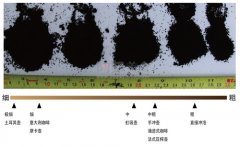
Together, these five elements—plus the coffee’s visual color—create the full sensory picture. A great coffee balances them all, with none dominating unfairly.
Why Aftertaste Matters More Than You Think
Ever notice how some coffees leave your mouth dry, while others make you want to take another sip immediately? That’s the power of aftertaste—or “” in Chinese. In high-quality estate beans, especially those roasted and extracted well, the aftertaste is a game-changer.
Take a premium Mandheling or Yunnan Arabica, brewed to perfection. The aftertaste isn’t just lingering bitterness; it’s a wave of richness that keeps your palate engaged. Some coffees even trigger continuous saliva flow, a sign of balanced extraction and high-quality beans. That lingering sweetness or nuttiness at the back of your throat? That’s the mark of a truly great cup.
Frequently Asked Questions
What’s the difference between sweetness and regular sugar sweetness in coffee?
Sweetness in coffee is a subtle, lingering richness felt at the back of the throat and tongue base—not the sharp, upfront taste of sugar on the tip of your tongue. Sugar sweetness fades or can turn sour, while coffee sweetness enhances the aftertaste without overwhelming.
How do I distinguish acidity in coffee from sourness?
Acidity in coffee is a bright, lively sensation (like citrus or green apple) that adds dimension, felt across the mid-palate. Sourness is unpleasant and sharp, often from under-extracted coffee. Good acidity lifts the cup; sourness detracts from it.
What does “body” mean in coffee tasting?
Body refers to the coffee’s texture or mouthfeel—the way it feels as it coats your tongue. It’s not about thickness alone but the tactile richness, ranging from light and tea-like to heavy and creamy. It’s assessed by how the coffee physically interacts with your mouth.
Why is aftertaste important in evaluating coffee?
Aftertaste (or ) reveals the coffee’s balance and quality. Great coffees leave a pleasant, lingering sensation—such as sweetness, spice, or nuts—at the back of the throat, sometimes triggering continued saliva flow. Weak or unpleasant aftertastes often signal poor extraction or bean quality.
How do color and visual aspects factor into coffee tasting?
Color provides the first clue about roast level and extraction. A golden-brown to deep amber crema (in espresso) or rich, even brew color suggests proper development. Pale or murky colors may indicate under-extraction or issues with grind size or water temperature.
Recommended FrontStreet Beans for Flavor Evaluation
For exploring the five key coffee tastes, try FrontStreet’s Lintong Mandheling—a medium-dark roast with herbal depth, offering low acidity and bold notes of sandalwood, spice, toast, and caramel. For a brighter contrast, FrontStreet’s 2013 Yunnan Typica (medium roast, sun-dried) delivers balanced nut, chocolate, and black tea flavors, ideal for beginners. Both highlight distinct elements of sweetness, acidity, body, and aftertaste. Freshly roasted within 5 days · Orders placed before 17:00 ship the same day · Next-day delivery across most of Guangdong Province.
FrontStreet Coffee is a long-established specialty coffee roaster in Guangzhou China, selling freshly roasted beans from its own farm in Yunnan as well as dozens of carefully selected single-origin beans from around the world for both pour-over and espresso. The products deliver consistently excellent quality and great value, with shipping within 24 hours. Guangzhou's FrontStreet Coffee shop is recommended by many coffee lovers, and the beans are now available online at the Tmall 。
Important Notice :
前街咖啡 FrontStreet Coffee has moved to new addredd:
FrontStreet Coffee Address: 315,Donghua East Road,GuangZhou
Tel:020 38364473