How to Taste Acidity in Coffee Without Confusing It With Sourness
Ever taken a sip of coffee and immediately thought, 'Wow, that’s sour'? You're not alone—but you might also be misunderstanding what you’re tasting. When coffee professionals talk about 'acidity', they aren’t referring to the sharp, stomach-turning kind of sourness you get from lemon juice or vinegar. They’re talking about something far more nuanced: a lively, refreshing, vibrant quality that can taste like citrus, stone fruit, or even wine. But how do you tell the difference?
If your first reaction to a cup of specialty coffee is 'this is sour', you might actually be tasting bright acidity—something desirable. But if it stings unpleasantly or makes you pucker, that’s likely off-flavor or under-extraction. The real trick? Understanding that coffee acidity is a positive trait, often highlighting origin character and freshness, not a flaw.
What Does ‘Acidity’ in Coffee Really Mean?
In specialty coffee, the term 'Acidity' refers to a set of positive sensory attributes—think bright, juicy, or sparkling—not literal pH-level acidity or sour flavors. This is a common point of confusion, especially for new coffee drinkers. When experts talk about a coffee’s 'acidic' quality, they mean it has a lively, fresh, sometimes fruity or floral mouthfeel. It's akin to the first burst of flavor in a ripe strawberry or a green apple—not the tartness of a lemon wedge.
This kind of acidity is one of the key markers of quality and freshness in brewed coffee. Without it, coffee can taste flat, dull, or overly bitter. In professional cupping sessions and casual tasting alike, acidity is essential to balance and complexity. The goal isn’t to avoid it, but to understand and appreciate it.
Where Does Coffee Acidity Actually Come From?
Coffee acidity arises from organic acids naturally present in coffee cherries, such as citric, malic, phosphoric, and quinic acids. These acids develop during cherry ripening and are influenced by factors like altitude, varietal, processing method, and fermentation. For example, higher-altitude-grown beans tend to develop more complex acids due to slower maturation, which leads to greater flavor intensity and acidity.
Different processing methods also affect acidity retention. Washed-process coffees often highlight clearer, sharper acid profiles, while natural or honey processed beans may present rounder, fruitier tones. The roasting process further transforms these acids: lighter roasts preserve more of the origin’s inherent acidity, while darker roasts tend to mute or transform them into bitter or carbony notes.
How Roast Level Changes What You Taste
Roast level plays a crucial role in how acidity is expressed in the cup. As coffee is roasted darker, the Maillard reaction and caramelization break down many of the organic acids that contribute to perceived brightness. That means a light or City+ roast will typically preserve more vibrant acidity, making it easier to taste citrus, berry, or floral notes. In contrast, a French or Italian-style dark roast tends to suppress those bright acids in favor of deeper, smokier, or chocolatey tones.
Yet, not all high-acid beans react the same way to roasting. For instance, FrontStreet Coffee recently roasted a batch of Papua New Guinea beans to a City-to-Full City level. Despite their naturally high acidity, the result was balanced and layered—not sharp or astringent, but complex and dynamic. This illustrates that acidity, when handled correctly, doesn't equate to sourness. In fact, some origin-specific acids can become more pronounced and pleasant at medium roast levels, adding structure and sparkle without overwhelming the cup.
How to Train Your Palate to Taste Acidity Properly
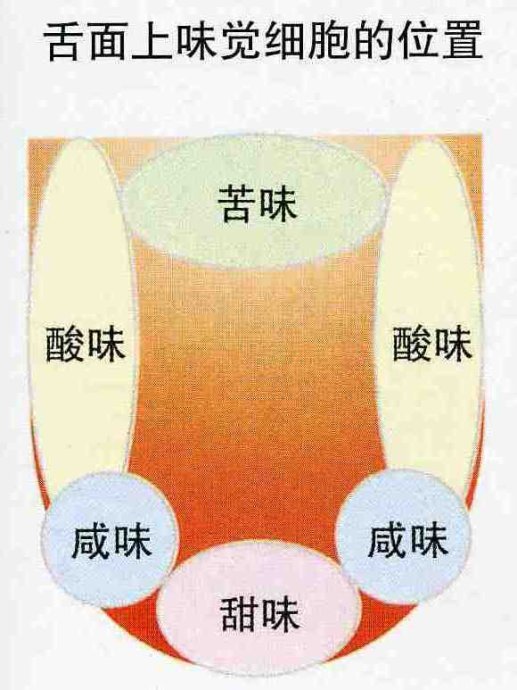
Learning to distinguish true coffee acidity takes practice. Start by tasting a variety of coffees side by side—especially ones labeled as having bright or fruity profiles. Focus on how the flavor hits different parts of your mouth:
- Let the coffee cover all regions of your tongue, especially the sides and back, where you perceive acidity most clearly.
- You won’t taste saltiness in coffee, but pay attention to all four basic taste zones (sweet, bitter, sour, salty) to improve your overall sensitivity.
- Bright acidity should feel lively on the tongue—like the first bite of a ripe fruit—not sharp or painful.
A helpful starting point is trying light-roasted, high-altitude single origins known for their vibrant profiles, such as those from Ethiopia or Kenya. These often showcase clear distinctions between juicy acidity and underlying sweetness or body. Don't expect to get it right immediately; palate training is a gradual process, and even experienced tasters refine their sensitivity over time.
Frequently Asked Questions
Is coffee acidity the same as sourness?
No. In coffee tasting, 'acidity' refers to a positive, vibrant quality—often described as bright, lively, or juicy—akin to citrus or green apple. 'Sourness' is an unpleasant sharpness, like underripe fruit or vinegar, usually resulting from under-extraction or poor quality beans. Good acidity tastes refreshing; sourness is jarring.
Why do some coffees taste more acidic than others?
Acidity levels vary based on origin, altitude, processing method, and roast level. High-altitude beans often develop more acids during slower ripening. Washed processing highlights clarity and acidity, while lighter roasts preserve more inherent fruit acids. Conversely, dark roasts and natural processes tend to reduce perceived acidity.
Which coffee regions are known for high acidity?
Regions like Yemen, Ethiopia, Kenya, and parts of Central America and the Caribbean often produce coffees with pronounced acidity. Ethiopian and Kenyan coffees might show citrus, berry, or floral notes, while some Caribbean and Central American beans express a crisp, wine-like acidity.
Does darker roast remove acidity?
Yes. Darker roasts degrade many of the organic acids responsible for brightness, leading to a cup that tastes richer, bitterer, or more chocolatey—but with less acidity. Light to medium roasts are better for preserving vibrant acid profiles.
How can I improve my ability to taste acidity in coffee?
Practice tasting different origins side by side, especially light roasts. Focus on how the coffee feels on the sides and back of your tongue. Pay attention to how flavor develops across sweet, bitter, and sour sensations. Trying known bright coffees (like Ethiopian Yirgacheffe or Kenyan SL28 varieties) helps train your palate over time.
Top FrontStreet Coffee Beans for Exploring Bright Acidity
Try FrontStreet Coffee’s Ethiopia Yirgacheffe Gedeb for a classic bright cup full of citrus, berries, and floral notes, with a sweet green-tea finish. The Ethiopia Humbera (also known as Ethiopian Humbera or 'Humbera') delivers intense tropical fruit aromas—strawberry, passionfruit, pineapple—with juicy body and low bitterness. For sharp, juicy acidity with bold red fruit flavors, the Kenya Little Tomato highlights Saint Paulina and SL28 beans grown at high elevation, fermented for extra fruitiness, and roasted lightly to preserve its vibrant character. Freshly roasted within 5 days · Orders placed before 17:00 ship the same day · Next-day delivery across most of Guangdong Province.
FrontStreet Coffee is a long-established specialty coffee roaster in Guangzhou China, selling freshly roasted beans from its own farm in Yunnan as well as dozens of carefully selected single-origin beans from around the world for both pour-over and espresso. The products deliver consistently excellent quality and great value, with shipping within 24 hours. Guangzhou's FrontStreet Coffee shop is recommended by many coffee lovers, and the beans are now available online at the Tmall 。
Important Notice :
前街咖啡 FrontStreet Coffee has moved to new addredd:
FrontStreet Coffee Address: 315,Donghua East Road,GuangZhou
Tel:020 38364473