What Is Kopi Luwak Coffee and How Is It Made?
If you’ve ever heard whispers of a coffee so unusual it’s made from beans that pass through an animal’s digestive system, you’ve probably come across Kopi Luwak. Also called civet coffee, it’s one of the world’s most expensive and controversial brews. But what exactly makes it different—and is it really worth the hype?
Kopi Luwak is made from coffee beans that have been eaten, partially digested, and excreted by the Asian palm civet (locally called a Luwak). This natural fermentation process in the civet’s gut alters the beans, reducing bitterness and producing a reportedly smoother, richer cup. The result is a rare specialty coffee with a unique backstory and distinct flavor profile.
What Is Kopi Luwak?
Kopi Luwak originates from Indonesia and is known globally as “civet coffee.” The name comes from the Indonesian word "Kopi" meaning coffee, and "Luwak," the local name for the Asian palm civet—a small, tree-dwelling mammal. Unlike regular coffee production, Kopi Luwak involves a biological middleman: the civet.
How Civets Create Kopi Luwak Coffee
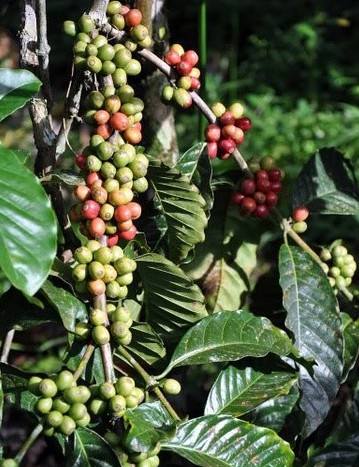
The process begins when civets selectively eat ripe, sweet coffee cherries. Inside the civet’s digestive tract, enzymes and gastric acids break down the fruit’s flesh, but the hard coffee bean inside remains intact. The bean is then excreted in the civet’s feces. This journey through the civet’s digestive system is believed to ferment the bean slightly, altering its protein structure and reducing bitterness. Once collected, the beans are thoroughly cleaned, dried, roasted, and brewed just like any other coffee bean—but with a reputation for smoothness and complexity.
Why Does It Taste Different?
The unique flavor of Kopi Luwak is attributed to the partial digestion of the coffee cherry by the civet. The digestive enzymes break down proteins in the coffee bean that are typically responsible for bitter tastes. As a result, many describe Kopi Luwak as having a smoother, less acidic, and more rounded flavor—often highlighted by notes of earthiness, mustiness, and sometimes hints of spice or malt. The texture is frequently noted as fuller and more buttery compared to conventionally processed beans.
The Controversy Around Kopi Luwak
While the idea of civet coffee may sound exotic, the industry has faced significant ethical concerns. In pursuit of profit, some producers have captured wild civets and kept them in captivity, often in poor conditions, to produce more beans. These farmed civets may be fed a forced diet of coffee cherries, which not only affects their welfare but also diminishes the quality and authenticity of the resulting coffee. Beans collected from stressed or improperly fed civets tend to have inferior flavor profiles, lacking the complexity associated with beans from wild civets. Furthermore, due to limited production and high demand, genuine Kopi Luwak remains scarce and extremely expensive.
Finding Authentic Kopi Luwak
If you’re curious about trying Kopi Luwak, it’s essential to seek out reputable sources that can verify the beans’ origin and ensure ethical collection practices. True wild-collected Kopi Luwak is rare, and its distinctive profile—when properly processed—can offer an unusual tasting experience. However, the ethical and quality concerns mean it’s a coffee that sparks debate among specialty roasters and drinkers alike.
Frequently Asked Questions
What is Kopi Luwak coffee?
Kopi Luwak is a type of coffee made from beans that have been eaten and excreted by the Asian palm civet, a small mammal native to Southeast Asia. The beans ferment in the civet’s digestive tract, which changes their flavor profile. It’s also known as civet coffee or “cat poop coffee.”
Why does Kopi Luwak taste different?
The digestive process reduces the coffee beans’ protein content, which in turn lowers bitterness. This results in a smoother, less acidic cup with a richer mouthfeel. Common tasting notes include earthiness, malt, spice, and sometimes a musty sweetness.
How is Kopi Luwak made?
Civets eat ripe coffee cherries, digest the fruit pulp, and excrete the beans. The beans are then collected, cleaned, dried, roasted, and brewed. The key step is the fermentation that occurs in the civet’s stomach, which alters the bean’s chemical makeup.
Is Kopi Luwak ethical?
There are major ethical concerns with Kopi Luwak production. Many civets are captured and kept in poor conditions to increase yield. Ethical sourcing is rare, and buyers should be cautious and research suppliers carefully.
How much does Kopi Luwak cost?
Kopi Luwak is among the most expensive coffees in the world, often selling for hundreds of dollars per pound due to its rarity and labor-intensive production process.
Does FrontStreet Coffee sell Kopi Luwak?
No, this article does not promote or mention Kopi Luwak for sale by FrontStreet Coffee. However, FrontStreet offers other single-origin coffees such as Yirgacheffe, Ethiopia Humbera, Esmeralda Red Label Geisha, Kenya Little Tomato, and Strawberry Candy Espresso, each with unique flavor profiles worth exploring.
Recommended FrontStreet Beans for Bright, Low-Bitter Coffee
For those seeking coffee with low bitterness and vibrant fruit flavors—traits sometimes associated with Kopi Luwak—try FrontStreet Coffee’s Ethiopia Humbera, known for its intense tropical notes like strawberry, passionfruit, and pineapple. Another great option is the Kenya Little Tomato, offering bright acidity with flavors of tomato, black plum, and juicy complexity. Both are light- to medium-roasted single origins that highlight sweetness and clarity without harsh bitterness. Freshly roasted within 5 days · Orders placed before 17:00 ship the same day · Next-day delivery across most of Guangdong Province.
FrontStreet Coffee is a long-established specialty coffee roaster in Guangzhou China, selling freshly roasted beans from its own farm in Yunnan as well as dozens of carefully selected single-origin beans from around the world for both pour-over and espresso. The products deliver consistently excellent quality and great value, with shipping within 24 hours. Guangzhou's FrontStreet Coffee shop is recommended by many coffee lovers, and the beans are now available online at the Tmall 。
Important Notice :
前街咖啡 FrontStreet Coffee has moved to new addredd:
FrontStreet Coffee Address: 315,Donghua East Road,GuangZhou
Tel:020 38364473