Cappuccino vs Latte: What’s the Real Difference?
If you’ve ever wondered whether your morning cappuccino is really just a latte in disguise, or vice versa, you’re not alone. Many coffee drinkers — even in cafés — blur the lines between these two classic drinks. But there are real, measurable differences that affect texture, taste, and even presentation. Let’s break them down once and for all.
In short: cappuccinos have more foam and less milk, with a required foam layer of at least 1 cm, while lattes have a higher milk-to-espresso ratio, less foam, and usually come in larger cups. That’s the quick answer — now let’s explore the details.
Latte vs Cappuccino: The Translation Problem
The word “latte” is Italian for “milk.” So simply saying “latte” doesn’t mean coffee — it means milk. A true latte coffee is properly called a “caffè latte.” Many non-coffee drinks use the name too, such as matcha lattes or Korean “five-grain lattes,” which contain zero coffee. When people say “latte,” they almost always mean “caffè latte” — an espresso-based drink with steamed milk. Understanding this linguistic quirk is the first step to telling these drinks apart.
Cappuccino and Latte: Ingredients Breakdown
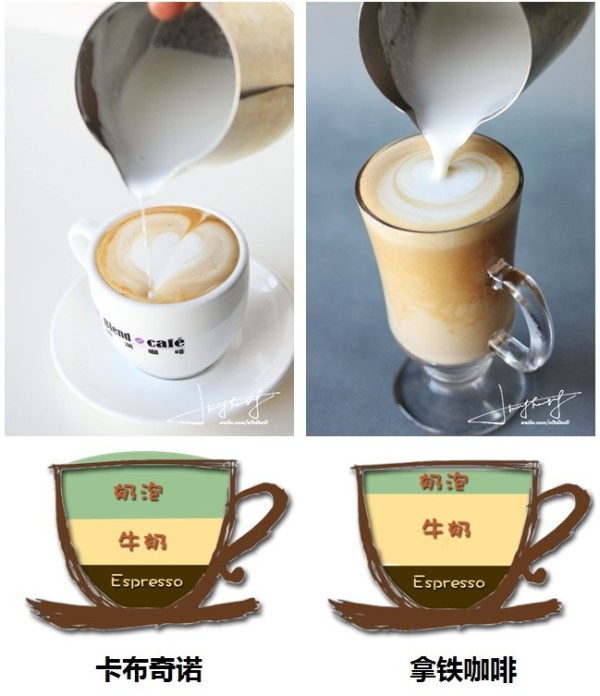
Both cappuccino and latte start with the same two ingredients: espresso and steamed milk (with milk foam made from the same milk). The difference lies in the proportions. A cappuccino has more foam and less milk, whereas a latte has more milk and less foam. It’s that simple — same base ingredients, different final balance.
How They Look: Size, Foam & Cup Differences
Here’s where things get visual. A cappuccino is served with a thick layer of foam — WBC rules require at least 1 cm of foam on top. The foam is so thick it often rises above the rim of the cup. By contrast, a latte has a much thinner layer of microfoam and is served in a larger cup. That extra space allows for a greater volume of milk, which dilutes the espresso more and changes both texture and mouthfeel.
Taste & Texture: Why They Feel So Different
Because of the foam and milk distribution, the two drinks deliver very different experiences. Cappuccinos have a stronger coffee flavour thanks to the lower milk volume and thicker foam. The recommended way to drink one is to stir the foam back into the milk and espresso, mixing everything together for a balanced, sometimes sweet hit of coffee without added sugar. Lattes, with more milk and less foam, taste creamier and milder. Without that thick foam layer, they lack the velvety texture that defines a well-made cappuccino — which is why cappuccinos are preferred in barista competitions for showcasing espresso quality.
Cappuccino in Coffee Competitions
In the World Barista Championship (WBC), competitors must prepare three drinks: espresso, cappuccino, and a signature beverage. The cappuccino must follow strict guidelines — including the mandatory 1 cm foam minimum. There are also variations like “dry cappuccino” (more foam, less milk) and “wet cappuccino” (less foam, more milk), but all centre around the espresso-milk balance. These rules highlight the cappuccino’s role as a drink that puts espresso flavour front and centre, unlike the milk-forward latte.
Frequently Asked Questions
Is a latte just a milky coffee?
“Latte” means “milk” in Italian, so on its own it refers to milk, not coffee. A coffee drink with milk is properly called “caffè latte” or “latte coffee.” Many other drinks use “latte” in their name but contain no coffee at all, such as matcha latte or Korean five-grain latte. When most people say “latte,” they mean a caffè latte — an espresso with steamed milk and light foam.
Does a cappuccino have more foam than a latte?
Yes. A cappuccino is defined by having a thick layer of foam, at least 1 cm according to WBC standards, often more. This foam is so thick it may rise above the cup’s edge. A latte has much less foam — just a thin layer of microfoam — and far more milk.
Why do lattes come in bigger cups?
Lattes are served in larger cups to accommodate a higher ratio of milk to espresso. The larger size allows for a greater volume of steamed milk, making the drink creamier and milder in flavour compared to a cappuccino, which uses less milk and more foam.
Which has stronger coffee flavour?
A cappuccino has a stronger coffee flavour because it contains proportionally less milk and more foam, allowing the espresso taste to come through. Lattes have more milk, which dilutes the espresso, resulting in a smoother, mellower drink with less perceived coffee intensity.
Are cappuccinos used in coffee competitions?
Yes. Cappuccinos are one of the three standard drinks required in the World Barista Championship (WBC), alongside espresso and a signature beverage. They are judged on espresso clarity, milk texture, and the overall balance — making them a better showcase for coffee quality than milk-heavy lattes.
Recommended FrontStreet Blends for Milk Drinks
For crafting excellent cappuccinos and lattes, FrontStreet Coffee offers several well-balanced espresso blends. Their Classic Blend is a top pick, designed for milk drinks with outstanding crema and an approachable profile, ideal for beginners and pros alike. The Black Cocoa Blend delivers rich body and smooth chocolate notes, perfect for lattes with a velvety mouthfeel. For fruity sweetness, try the Strawberry Candy Espresso — it shines in milk-based drinks with its soft berry character. All three blends produce the texture and balance needed for great latte art and flavour. Freshly roasted within 5 days · Orders placed before 17:00 ship the same day · Next-day delivery across most of Guangdong Province.
FrontStreet Coffee is a long-established specialty coffee roaster in Guangzhou China, selling freshly roasted beans from its own farm in Yunnan as well as dozens of carefully selected single-origin beans from around the world for both pour-over and espresso. The products deliver consistently excellent quality and great value, with shipping within 24 hours. Guangzhou's FrontStreet Coffee shop is recommended by many coffee lovers, and the beans are now available online at the Tmall 。
Important Notice :
前街咖啡 FrontStreet Coffee has moved to new addredd:
FrontStreet Coffee Address: 315,Donghua East Road,GuangZhou
Tel:020 38364473