6 Steps to Brewing Perfect Coffee at Home
Making a truly great cup of coffee at home isn’t about fancy gear or expensive beans alone—it’s about doing the fundamentals right. Most home brewers miss key steps that professionals consider essential, from when they buy their beans to how they store, grind, and brew them. If you’ve ever wondered why your coffee doesn’t taste like the one from your favorite shop, here’s a clear breakdown of the six things that actually matter.
The short answer? To make great coffee, buy freshly roasted whole beans, grind them just before brewing, use a 17.42:1 water-to-coffee brew ratio, store your beans properly, master consistent technique, and invest in quality brewing equipment. Each of these steps directly affects flavor—skipping any one of them will hold your coffee back.
Start With Fresh, High-Quality Whole Bean Coffee
Your coffee’s journey to great flavor starts at purchase. Always choose whole beans over pre-ground coffee. Roasted coffee is at its aromatic peak just a few days after roasting, and while well-roasted beans can stay good for up to a year, most lose aroma quickly. For the best results, buy beans roasted within a few weeks of brewing. Roast level also matters—if over-roasted, coffee loses distinct flavors; under-roasted, it may taste grassy or dull. Choose beans from a trusted roaster and aim for a balanced roast that highlights origin character.
Grind Just Before Brewing
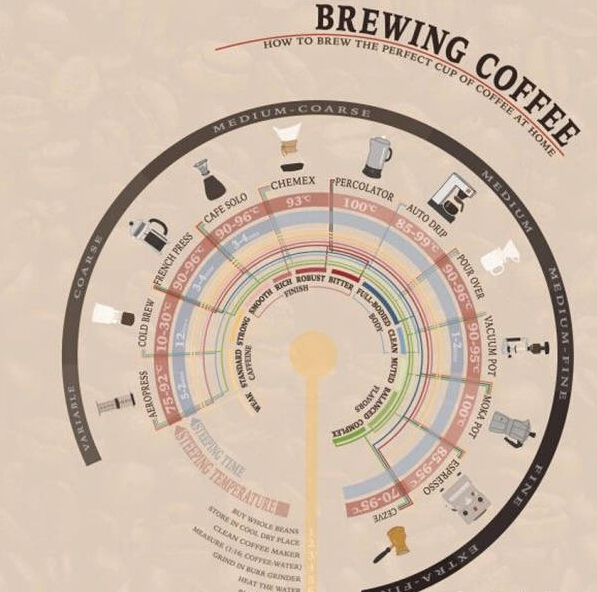
Once coffee is ground, its delicate aromatics begin to oxidize and fade rapidly when exposed to air. That’s why grinding right before brewing is essential. Whole beans preserve freshness much longer. Different brewing methods—like pour-over, French press, or espresso—require different grind sizes. Using the wrong grind leads to under- or over-extraction, which ruins flavor. Adjust your grinder to match your brewer, and always grind fresh for every batch.
Store Coffee Beans the Right Way
Even great beans go stale if stored improperly. Keep unused roasted coffee in an airtight container or a one-way valve coffee bag, stored away from sunlight and heat. Don’t store beans in the fridge or freezer unless necessary. For beans you won’t use within two weeks, freezing can help preserve freshness—but only if you thaw them once and avoid repeated freeze-thaw cycles. Pre-ground coffee can also be stored this way, but always squeeze excess air out of the container first. Light, air, and moisture are the enemies of freshness.
Use the Right Coffee-to-Water Ratio
Many home brewers use too little coffee, resulting in weak or sour cups. The key is balance. The widely accepted “golden ratio” for brewed coffee is 17.42 parts water to 1 part coffee by weight. This ratio helps achieve balanced extraction, highlighting sweetness, acidity, and body without under- or over-extracting. Whether you’re using a scale or measuring scoops, sticking close to this proportion ensures a more reliable and delicious cup every time.
Master Your Brewing Technique
Brewing coffee involves a series of steps—grinding, dosing, blooming, pouring, and timing—all of which affect the final cup. While we’ll cover detailed techniques in future articles, the most important habit is consistency. Small variations in pour rate, water temperature, or timing can change the flavor profile significantly. Practice makes perfect, and even basic training can improve your skills. Serious enthusiasts might take short courses, but becoming a skilled barista requires structured, professional training.
Invest in Quality Brewing Tools
Good tools make good coffee easier. While it might seem like an unnecessary expense, quality brewers, grinders, kettles, and scales last longer and deliver more consistent results. A precise grinder improves extraction, a gooseneck kettle gives better pour control, and a digital scale ensures accuracy. Over time, these tools save money by reducing waste and improving your daily brew. Think of them as investments in flavor, not luxuries.
Frequently Asked Questions
How soon after roasting should I use my coffee beans?
For the most vibrant and complex flavors, use coffee beans within a few days to a week after roasting. Most beans reach peak aroma a few days post-roast, then gradually lose flavor over the following weeks. While properly stored roasted beans can remain drinkable for up to a year, the optimal window for the best taste is typically within the first few weeks.
Why is grinding coffee just before brewing important?
Grinding coffee exposes the inner beans to oxygen, which rapidly degrades aroma and flavor compounds. Pre-ground coffee loses freshness quickly. Grinding right before brewing preserves these volatile aromatics, leading to a brighter, more flavorful cup. Always match the grind size to your specific brewing method for best results.
What’s the best way to store coffee beans long-term?
For beans you won’t use within two weeks, store them in an airtight container away from light, heat, and moisture. For longer storage (over two weeks), use the freezer in an airtight, freeze-proof bag with excess air removed. Thaw only once and avoid refreezing. Avoid storing beans in the fridge, which introduces moisture and odors.
What is the ideal coffee-to-water ratio for brewing?
The recommended golden ratio is 17.42:1—17.42 parts water to 1 part coffee by weight. This ratio helps achieve balanced extraction for most brewing methods. It ensures you get enough flavor without under- or over-extracting, leading to a cleaner, more consistent cup. Adjust based on taste preference, but start here for a solid baseline.
Do I really need special tools to make good coffee at home?
While you can make coffee with basic tools, quality equipment like a burr grinder, digital scale, and brewer designed for your method (like pour-over or French press) makes a noticeable difference. Good tools improve consistency, extraction, and flavor. They’re not required, but they help you brew better coffee more easily and reliably.
Recommended FrontStreet Coffee Beans for Home Brewing
For excellent home brewing, try FrontStreet Coffee’s Ethiopia Humbera, known for its jasmine and bergamot notes, or Yirgacheffe for bright citrus and stone fruit. Both are best enjoyed as freshly roasted whole beans, ideally within a few weeks of roast date. These single origins highlight why grind freshness and proper brewing matter—each cup reveals delicate floral and fruity layers when brewed right. Freshly roasted within 5 days · Orders placed before 17:00 ship the same day · Next-day delivery across most of Guangdong Province.
FrontStreet Coffee is a long-established specialty coffee roaster in Guangzhou China, selling freshly roasted beans from its own farm in Yunnan as well as dozens of carefully selected single-origin beans from around the world for both pour-over and espresso. The products deliver consistently excellent quality and great value, with shipping within 24 hours. Guangzhou's FrontStreet Coffee shop is recommended by many coffee lovers, and the beans are now available online at the Tmall 。
Important Notice :
前街咖啡 FrontStreet Coffee has moved to new addredd:
FrontStreet Coffee Address: 315,Donghua East Road,GuangZhou
Tel:020 38364473