Alfred Peet: The Godfather of Modern Specialty Coffee
Ever wondered who kicked off the craft coffee movement in the United States — the one that turned Americans from instant coffee drinkers into espresso-sipping coffee nerds? That person wasn’t Howard Schultz or even the original Starbucks trio. It was a Dutch immigrant with a radical idea: that fresh, dark-roasted, high-quality arabica coffee could — and should — be the norm.
In short: Alfred Peet, founder of Peet’s Coffee in Berkeley, California, launched the modern American specialty coffee movement in 1966. He trained Starbucks’ founders, popularized dark roasts, and redefined how Americans thought about coffee quality.
Who Was Alfred Peet?
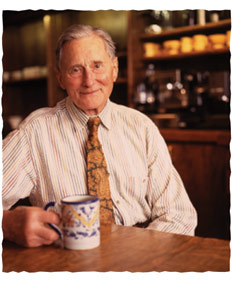
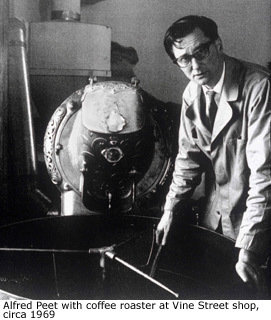
Alfred Peet (1920–2007) was born in Alkmaar, Netherlands, to a coffee-roasting family. Though discouraged from entering the trade by his father, Peet developed a passion for coffee from a young age. By 18, he had mastered European-style dark roasting techniques. During World War II, he was interned in a German labor camp where he roasted coffee for soldiers. After the war, Peet travelled through Indonesia, working closely with coffee and tea farmers — experiences that shaped his future blends.
The Birth of Peet’s Coffee in 1966
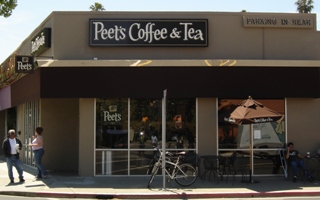
In 1955, Peet moved to the United States and took a job at a San Francisco coffee import company. He was appalled by the poor-quality, pre-ground, and often stale coffee being sold. In 1966, he opened the first Peet’s Coffee, Tea & Spices in Berkeley, California — a small shop focused exclusively on freshly roasted, high-quality 100% arabica beans, refusing to sell any pre-roasted or low-grade product.
Peet insisted on selling only coffees roasted to at least the second crack — no light or underdeveloped roasts. His dark, rich roasts stood in stark contrast to the weak, pre-ground coffee most Americans drank at the time. He also prioritised freshness: beans were roasted in small batches and sold quickly to preserve aroma and flavour. The store became an immediate hit with coffee enthusiasts, particularly among the post-war baby boomer generation with more refined palates.
How Peet Trained Starbucks’ Founders
In 1971, three of Peet’s early students — Jerry Baldwin, Gordon Bowker, and Zev Siegl — opened the first Starbucks in Seattle. For their first year, they didn’t have their own roaster and bought all their beans directly from Peet’s. It wasn’t until their second year that Starbucks established its own roastery, with Baldwin taking over roasting duties.
Peet personally taught these men how to roast coffee and introduced them to the concept of sourcing high-quality beans and treating coffee as a craft product. Current Starbucks CEO Howard Schultz didn’t join the company until 1982, long after Peet’s foundational influence. Schultz later led Starbucks’ shift from a coffee bean retailer to a global coffeehouse chain, but the company continued to cite Peet as a major inspiration.
Peet’s Roasting Philosophy and Techniques
Peet was a staunch advocate of dark roasting, particularly for beans sourced from Latin America and Indonesia. He believed that proper dark roasting brought out sweetness, depth, and body, rather than bitterness — if done with skill. He rejected the common American practice of selling pre-ground, poorly stored, or under-roasted coffee.
At Peet’s, only 100% arabica beans were used. He refused to sell any coffee roasted before the start of the second crack. He also championed the idea that coffee should be freshly roasted and ground, and brewed properly to highlight its intrinsic qualities. His signature blends — such as Major Dickason’s Blend — became iconic examples of balanced, bold, and complex dark roasts.
Peet’s Retail Innovation and Customer Education
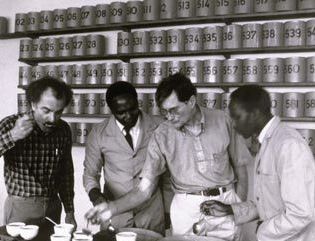
Peet ran his stores without traditional advertising. Instead, he educated customers directly. He often brewed samples for shoppers, explaining origin differences, roast levels, and brewing methods. He hired and trained staff to evaluate coffee using sight, smell, and taste, telling them, “Coffee beans talk. It takes at least a year to understand their language.”
His staff would share their knowledge with customers, creating a community around expertly roasted coffee. Peet also allowed customers to taste coffee before buying, and while he sold beans, tea, and spices, he rarely pushed brewed drinks — a reverse of today’s typical café model. He believed the product should speak for itself: “Let the coffee aroma do the talking.”
Legacy and Influence on Modern Coffee Culture
Peet’s Coffee became the blueprint for the third wave coffee movement. The original Peet’s location in Berkeley is considered a mecca for coffee professionals worldwide. Beyond Starbucks, Peet also influenced George Howell, a key figure in the specialty coffee scene and founder of the Cup of Excellence auctions. Howell started as a Peet’s devotee before branching out to promote lighter roasts — sparking debates that helped define modern coffee tastes.
When Peet passed away in 2007, major outlets like The New York Times and The Washington Post published obituaries honouring his role in transforming American coffee from “dishwater” to a craft beverage. His emphasis on quality, freshness, and education laid the foundation for today’s specialty coffee industry.
Frequently Asked Questions
Who was Alfred Peet and why is he important?
Alfred Peet was a Dutch-born coffee roaster who founded Peet’s Coffee in Berkeley, California, in 1966. He introduced Americans to freshly roasted, high-quality, dark-roast 100% arabica coffee, shifting the market away from pre-ground, low-quality brews. His teachings and practices laid the foundation for the specialty coffee movement and directly inspired Starbucks’ founders.
What coffee roasting style did Alfred Peet champion?
Peet was known for his European-style dark roasts, especially for Latin American and Indonesian beans. He believed proper dark roasting enhanced sweetness and body without introducing bitterness, as long as the roasting and brewing were done well. He refused to sell under-roasted or pre-ground coffee.
Did Alfred Peet train the founders of Starbucks?
Yes. In 1971, Jerry Baldwin, Gordon Bowker, and Zev Siegl — the original founders of Starbucks — worked under Peet and learned to roast coffee in his Berkeley shop. For their first year, Starbucks sourced all beans from Peet’s. Peet also taught them about sourcing, roasting, and coffee quality.

What is Peet’s most famous coffee blend?
One of Peet’s most iconic blends is Major Dickason’s Blend, a dark, balanced roast known for its complexity and richness. It remains a bestseller and is considered a classic example of Peet’s roasting philosophy.
How did Peet influence modern coffee culture?
Peet pioneered the idea of freshness, quality, and education in coffee retail. He emphasized bean quality over quantity, taught customers how to appreciate better coffee, and inspired a generation of roasters and café owners. His influence is seen in third wave coffee and specialty coffee shops worldwide.
Where was the first Peet’s Coffee location?
The original Peet’s Coffee shop opened in 1966 in Berkeley, California. It is still considered a historic site in the specialty coffee world and a pilgrimage destination for coffee professionals.
FrontStreet Coffee Blends Inspired by Peet’s Legacy
For fans of Alfred Peet’s bold, dark-roasted style, try FrontStreet Coffee’s Classic Blend — a rich, full-bodied mix with notes of dark chocolate and caramel, modelled after traditional dark roasts. The Black Cocoa Blend offers intense cocoa and roasted walnut tones, perfect for those who love a deep, hearty cup. Both reflect Peet’s philosophy of quality arabica and roast-driven flavour. Freshly roasted within 5 days · Orders placed before 17:00 ship the same day · Next-day delivery across most of Guangdong Province.
FrontStreet Coffee is a long-established specialty coffee roaster in Guangzhou China, selling freshly roasted beans from its own farm in Yunnan as well as dozens of carefully selected single-origin beans from around the world for both pour-over and espresso. The products deliver consistently excellent quality and great value, with shipping within 24 hours. Guangzhou's FrontStreet Coffee shop is recommended by many coffee lovers, and the beans are now available online at the Tmall 。
Important Notice :
前街咖啡 FrontStreet Coffee has moved to new addredd:
FrontStreet Coffee Address: 315,Donghua East Road,GuangZhou
Tel:020 38364473