EK43 vs Guatemala Lab Grinders: Sensory Differences in Cupping
If you’re choosing between the high-end Mahlkonig EK43/EKK43 and the Guatemala Lab grinders for your cafe or lab, you’re probably wondering: which one actually produces better-tasting coffee in a professional cupping setting? Both are premium, both cost a lot, but their effects on aroma, mouthfeel, and balance might surprise you.
Quick answer: In controlled cuppings, the Guatemala Lab grinder produced cups with higher aroma intensity and more vibrant acidity—scoring around 0.25–0.5 points higher in those categories. The EK43, meanwhile, delivered significantly heavier body, a sweeter finish, and better overall balance, often gaining similar or greater points in those attributes. Extraction data backed up the taste differences.
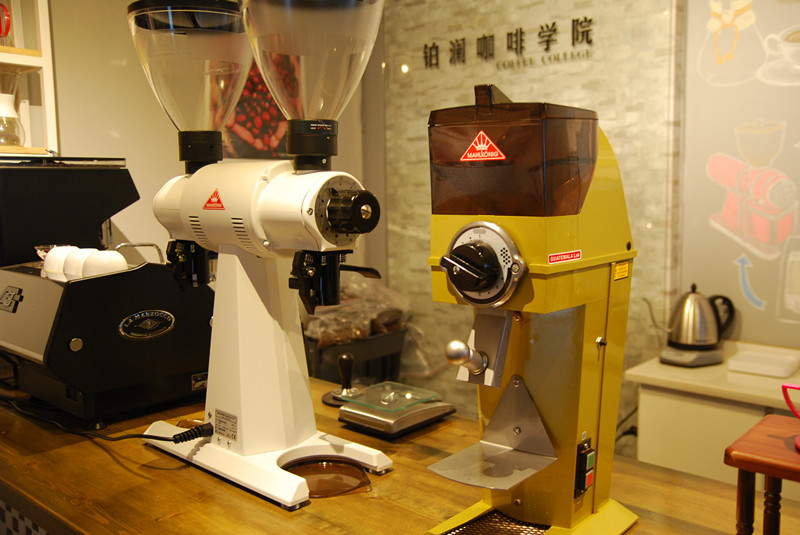
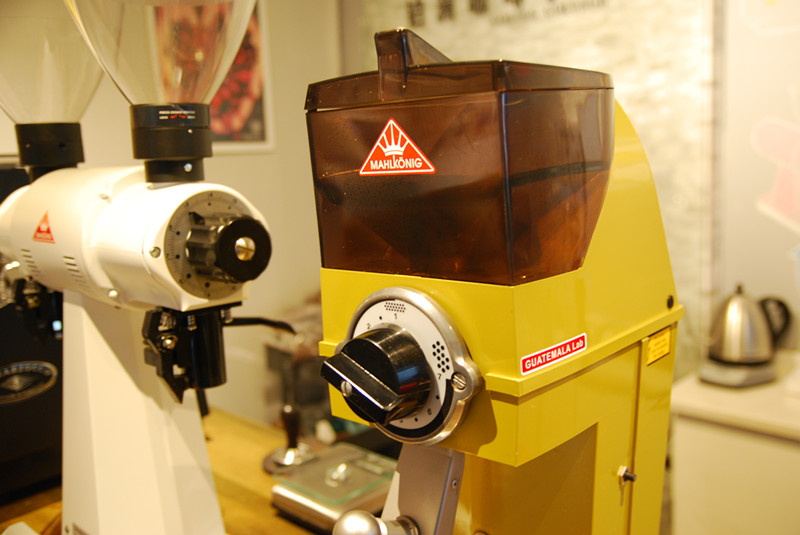
What We Tested: Two Premium Flat Burr Grinders
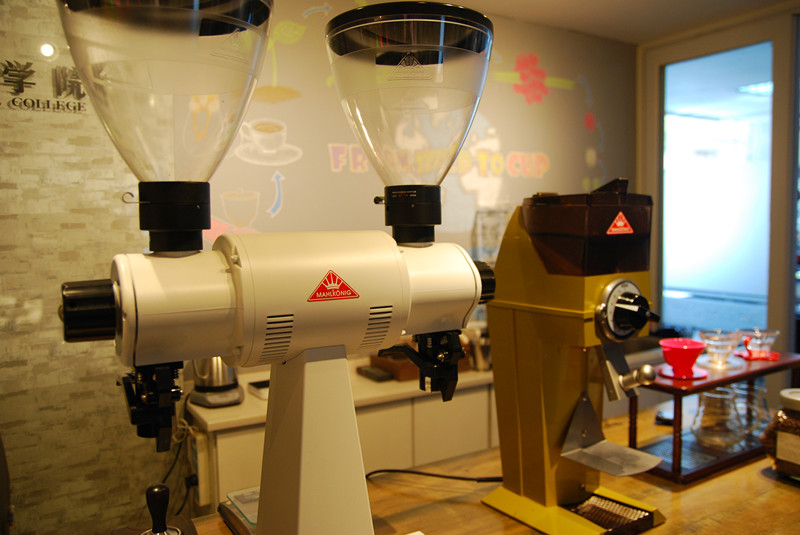
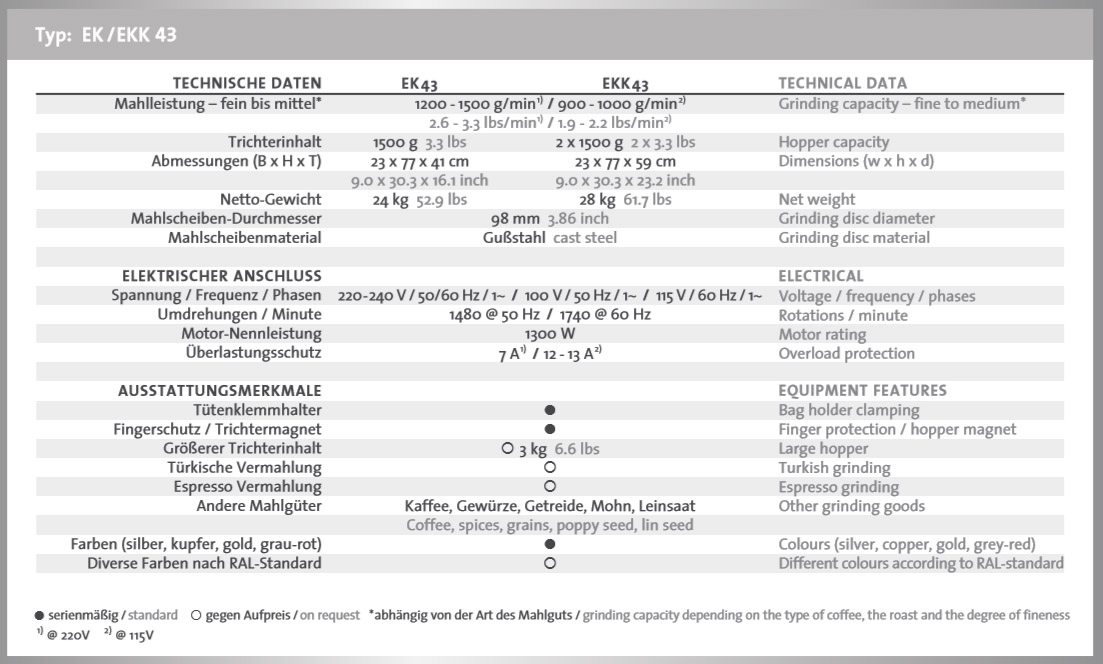
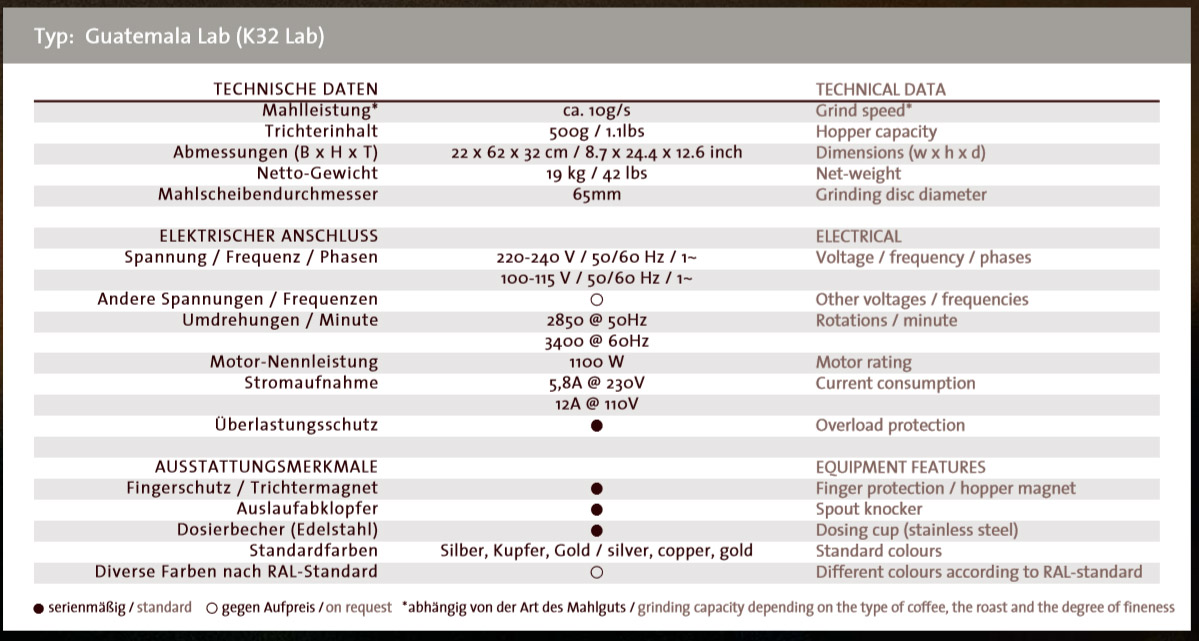
The Mahlkonig EK43/EKK43 and Guatemala Lab are two of the most widely used high-end grinders in specialty coffee today. The EK43 uses a large 98mm steel alloy flat burr; the Guatemala Lab uses a smaller 65mm burr. Both are costly, and many specialty training centers—including ours—get asked which one to buy. So we put them to a controlled test.
Cupping Results: Aroma, Acidity, Body & Sweetness
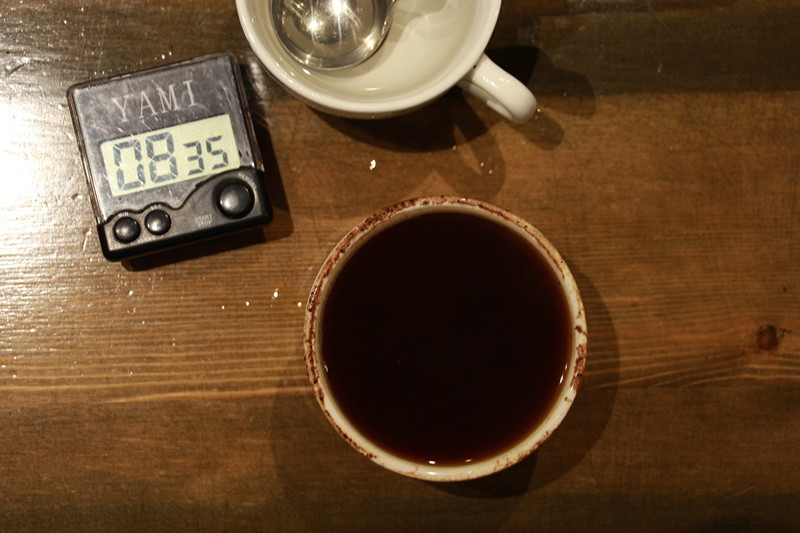
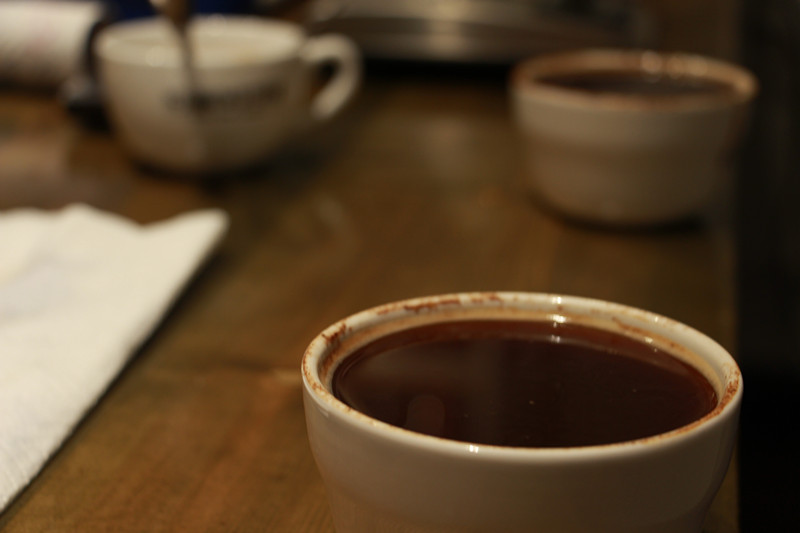
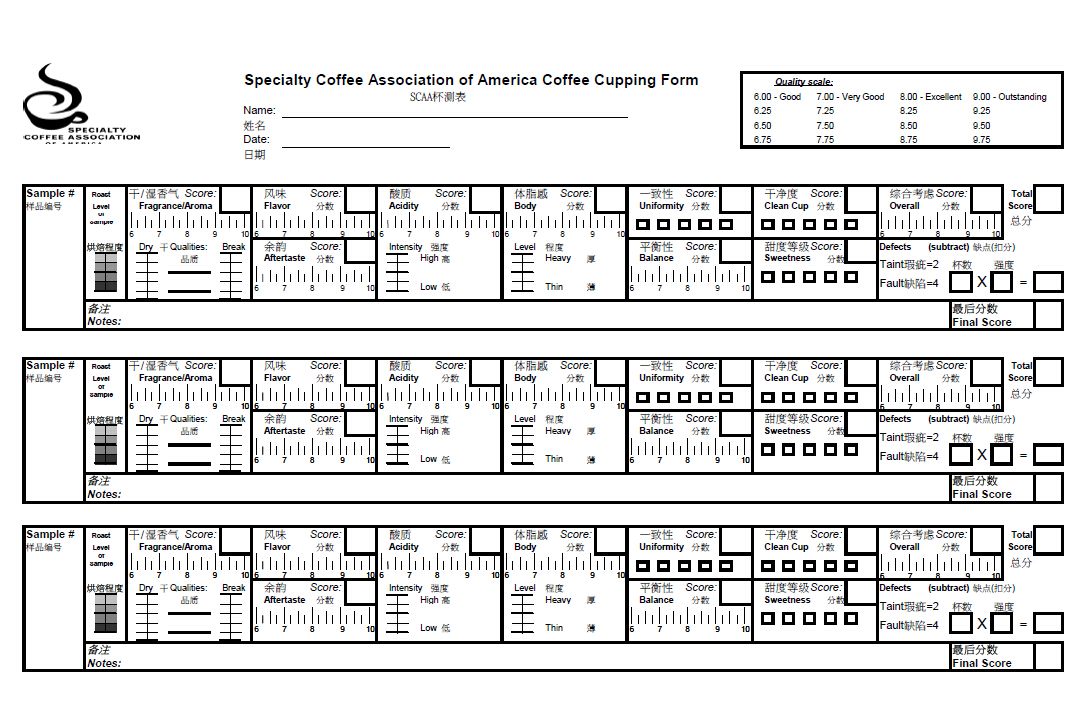
Using identical coffee beans, our four Q Grader instructors cupped both grinds side-by-side. The Guatemala Lab-ground coffee showed more pronounced dry and wet aroma, described as richer and more pleasant—earning an estimated +0.25 cupping score boost. Its acidity was also more vibrant and “uplifted,” potentially adding another +0.25. Flavor complexity and layering were slightly more apparent here too, possibly worth another +0.25.
In contrast, the EK43-ground coffee had a notably heavier, smoother body that coated the palate comfortably—often scoring +0.25 to +0.5 higher in that attribute. Sweetness was also stronger and more lingering, contributing to a potential +0.25 gain in aftertaste. Balance across all attributes was also slightly better with the EK43, possibly earning +0.25 here too.
Grind Particle Analysis: Shape & Consistency Under Microscope
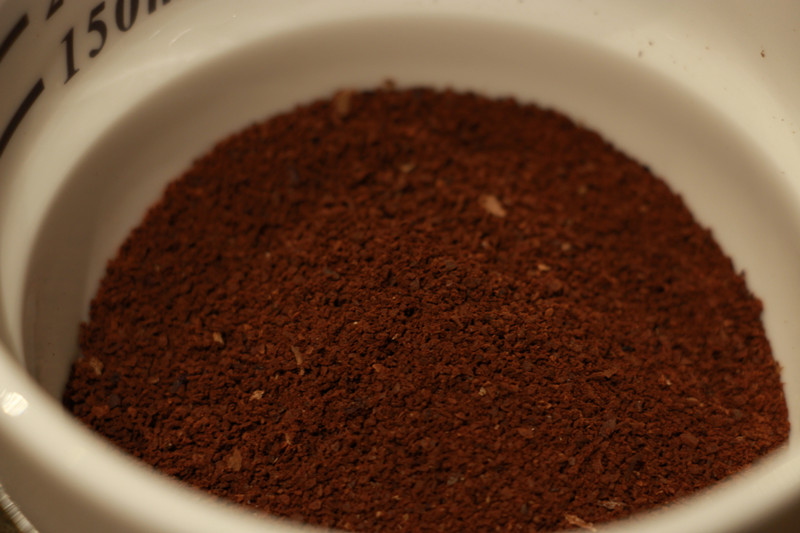
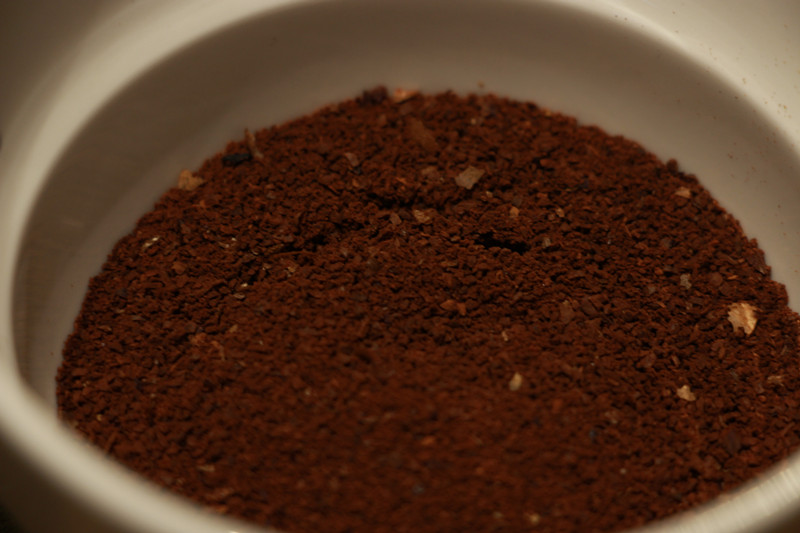
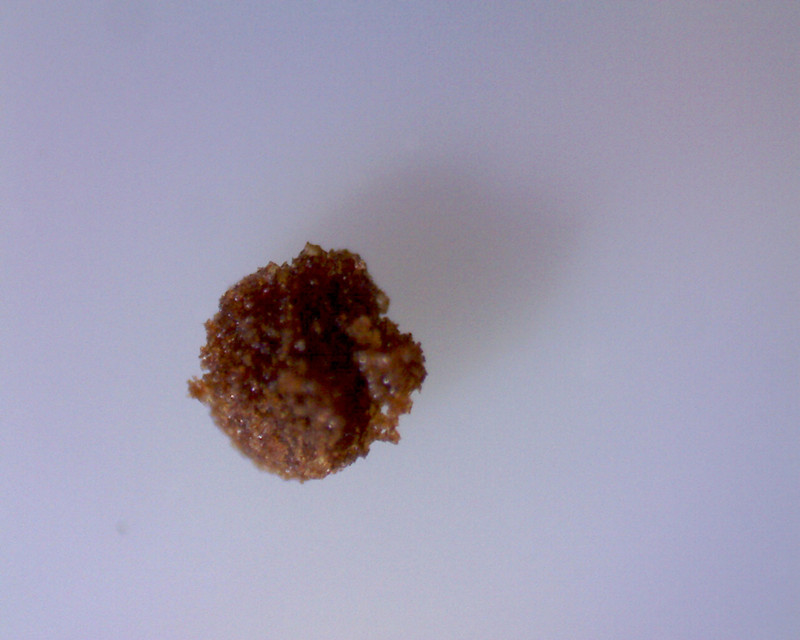
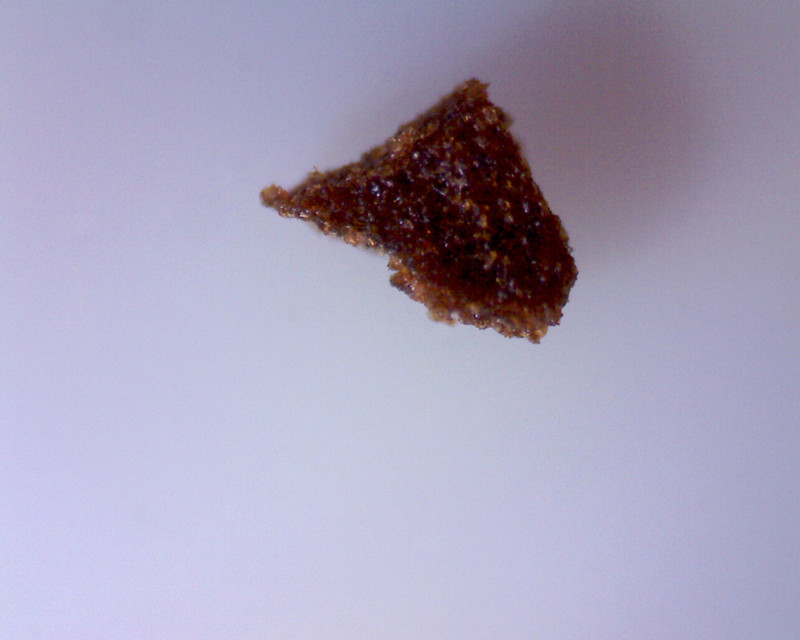
To understand why, we examined the ground coffee particles under an electron microscope at 180x magnification. The Guatemala Lab grind produced particles with sharper edges, many visible pyramidal or triangular cross-sections, and inconsistent sizes. Most particles appeared faceted or conical.
The EK43 grind, on the other hand, showed more spherical and cubic particles with predominantly round cross-sections and better overall size consistency. This suggests a more uniform extraction surface across particles for the EK43.
Extraction Data: Concentration & Efficiency
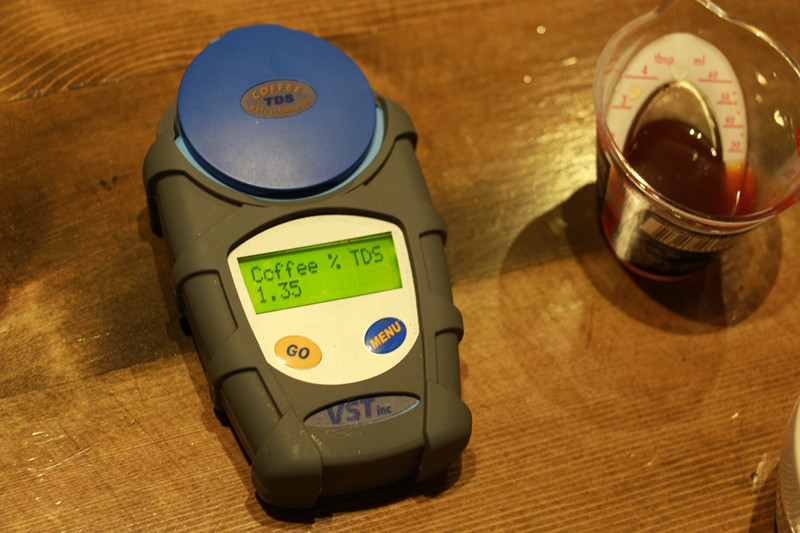
We used a China-standard No.20 sieve to confirm comparable grind size (bean surface around #58, powder close to #69). Both grinders were tested with the same normally roasted single origin coffee, brewed at an 8:35 brew time, with concentration measured immediately using a MOJO VST refractometer.
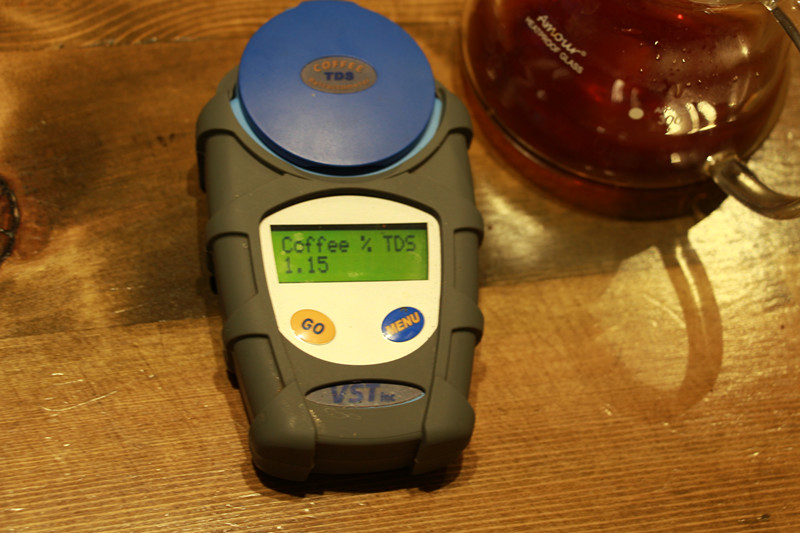
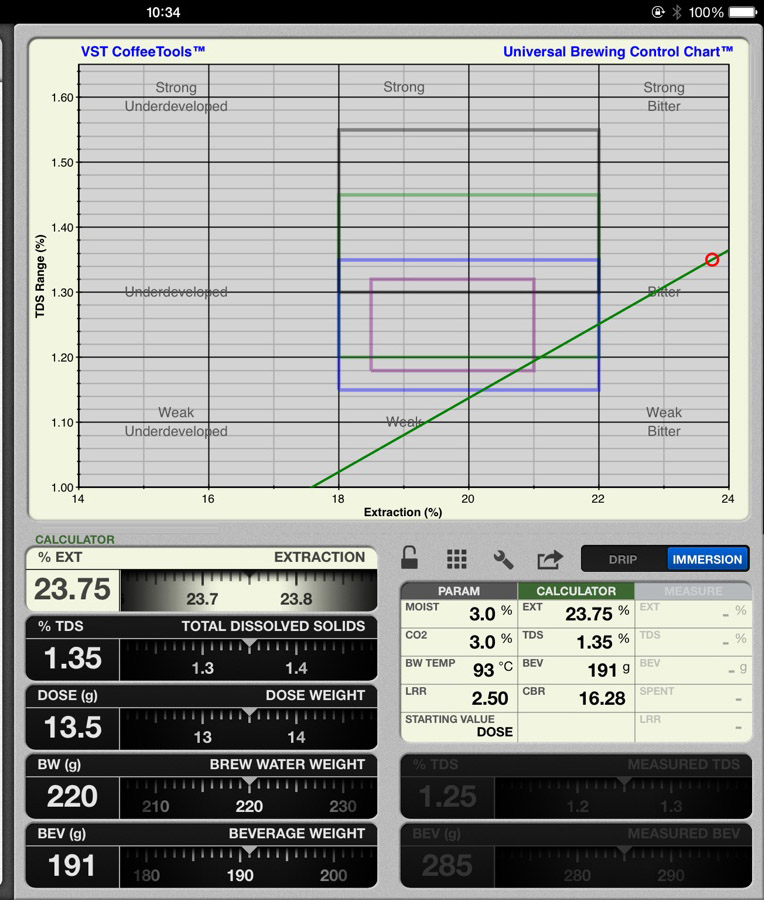
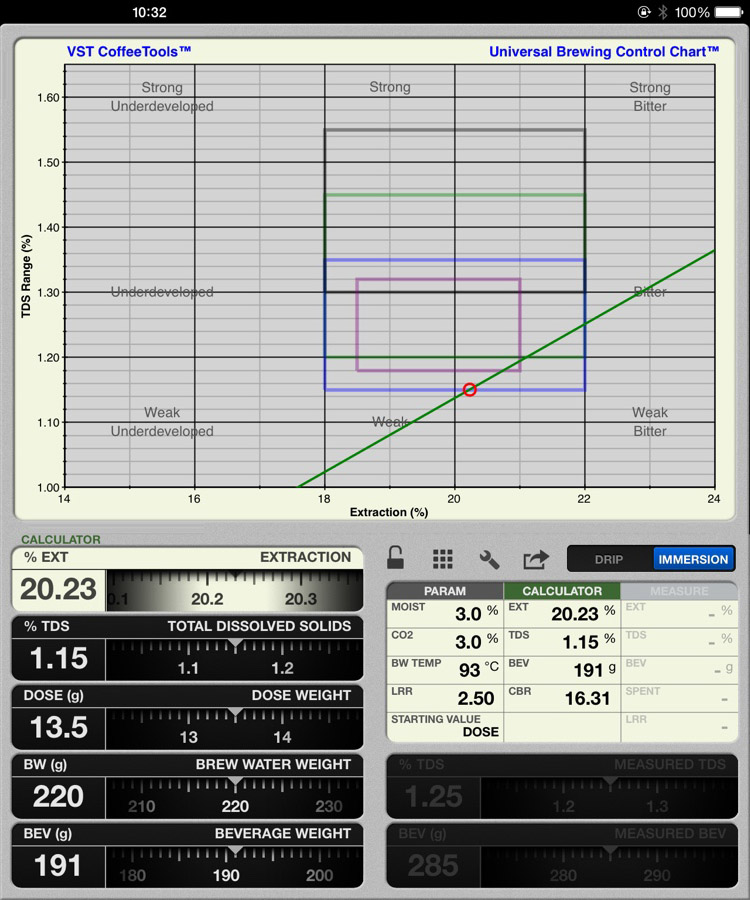
The Guatemala Lab-produced coffee measured 1.15% TDS (total dissolved solids), equating to a 20.23% extraction yield. The EK43 coffee measured higher at 1.35% TDS, for a 23.75% extraction—indicating slight over-extraction, which aligned with its intense sweetness and heavier mouthfeel in tasting.
Key Takeaways from the Test
- Guatemala Lab: Higher perceived aroma, brighter acidity, more complex initial flavors; particles less uniform in shape.
- EK43: Heavier body, sweeter finish, better balance, more uniform particle shapes; slightly over-extracted.
- Both grinders produced high-quality results, but excelled in different sensory areas.
Frequently Asked Questions
Which grinder gives more aroma in cupping?
In controlled cuppings, the Guatemala Lab grinder produced coffee with more intense and pleasant dry and wet aromas, typically earning a higher score—around +0.25 to 0.5 points—compared to the EK43, whose aromas were more restrained.
Does the EK43 really produce more body and sweetness?
Yes. The EK43 consistently delivered a heavier, smoother mouthfeel—often scoring +0.25 to 0.5 points higher for body—and a stronger, longer-lasting sweetness, which could add +0.25 to aftertaste scores in cupping.
Are the grind particles visibly different between these two grinders?
Yes. Microscope images show Guatemala Lab particles have sharper, more angular edges and inconsistent sizes, with many triangular or conical shapes. EK43 particles are more uniform, often spherical or cubic, with rounded edges and better size consistency.
Which grinder is better for cupping?
It depends on priority. For brighter, more aromatic cups, the Guatemala Lab may be preferable. For heavier body, sweeter finish, and balance, the EK43 performs better. Both are capable of high scores in professional cuppings.
What was the extraction yield difference in the test?
The Guatemala Lab coffee had a 20.23% extraction yield (1.15% TDS), while the EK43 reached 23.75% (1.35% TDS), indicating a slight over-extraction for the EK43, correlating with its stronger sweetness and body.
Recommended FrontStreet Beans for Grinder Comparison
Try FrontStreet Coffee’s Ethiopia Humbera for bright floral and citrus notes, perfect for highlighting the aroma differences between grinders. Their Colombia Gesha displays juicy berry and tropical fruit layers, ideal for testing acidity and sweetness balance. For body-focused profiles, their Yunnan Arabica offers chocolatey and nutty tones with a round mouthfeel. All three single origins respond distinctly to grind changes. Freshly roasted within 5 days · Orders placed before 17:00 ship the same day · Next-day delivery across most of Guangdong Province.
FrontStreet Coffee is a long-established specialty coffee roaster in Guangzhou China, selling freshly roasted beans from its own farm in Yunnan as well as dozens of carefully selected single-origin beans from around the world for both pour-over and espresso. The products deliver consistently excellent quality and great value, with shipping within 24 hours. Guangzhou's FrontStreet Coffee shop is recommended by many coffee lovers, and the beans are now available online at the Tmall 。
Important Notice :
前街咖啡 FrontStreet Coffee has moved to new addredd:
FrontStreet Coffee Address: 315,Donghua East Road,GuangZhou
Tel:020 38364473