How Arabs Originally Ate Coffee: From Fruit to Roast
Ever wondered how people first consumed coffee? Before lattes and pour-overs, ancient cultures found energy and flavor in the humble coffee cherry. The journey from fruit to brewed beverage took centuries—and it began in Arabia with practices almost unrecognizable today.
The earliest recorded way Arabs consumed coffee was by chewing the entire coffee fruit to extract its juice. Later, they ground the beans and blended them with animal fat for a high-energy travel food. It wasn’t until around the year 1000 AD that green coffee beans were boiled in water to create a fragrant drink. Roasting and grinding the beans followed roughly 300 years after that.
These early methods reveal how coffee’s value was initially tied to its physical effects and versatility, long before it became a social or culinary centerpiece.
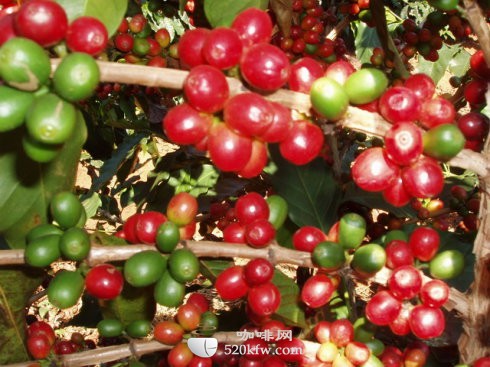
Chewing Whole Coffee Fruits: The Original Energy Boost
The very first known method of consuming coffee involved eating the entire coffee cherry. Arab communities, likely in the region of Kafa (modern-day Ethiopia and Yemen), would chew the whole fruit—not just the bean—to access its natural caffeine and sugars. This practice extracted the fruit's juices directly, providing a quick burst of energy. While not a “brew” in any modern sense, it was functional and effective for those needing a natural stimulant during long days or hard labor.
Coffee Meets Fat: A Traveler’s Fuel
As people began traveling longer distances through arid regions, they needed a portable, high-calorie food. The solution? Ground coffee beans mixed with animal fat. By crushing the raw beans into a paste and blending them with fat—often from livestock—early Arabs created a dense, energy-rich bar. This mixture served as an early form of “functional food,” designed to sustain travelers through harsh conditions. It predates the concept of coffee as a hot beverage and highlights how the beans were valued for their durability and stimulating properties.
From Green Beans to Boiled Drink: The Birth of Coffee as a Beverage
It wasn’t until approximately the year 1000 AD that someone decided to boil green, unroasted coffee beans in water. This marked the first instance of coffee being prepared as a drink, albeit without roasting. The resulting beverage was aromatic, though milder and less complex than what we know today. Boiling the green beans extracted some of their inherent flavors and caffeine, laying the groundwork for the rituals of coffee brewing. This development occurred roughly a millennium ago and represents a pivotal shift in how coffee was consumed—from food or supplement to beverage.
Roasting and Grinding: The Final Evolution
For the next three centuries, Arabs continued drinking boiled green coffee. It wasn’t until around the 13th century that they began roasting the beans over heat and then grinding them before brewing. Roasting triggered the Maillard reaction and other chemical changes that developed the rich, bold flavors we associate with coffee today. Once roasted, the beans were ground and typically brewed in hot water, creating the first versions of what we would now recognize as coffee. This step completed the transformation of coffee from a simple stimulant into the nuanced drink cherished worldwide.
Frequently Asked Questions
What was the earliest way Arabs consumed coffee?
The earliest recorded method was chewing the whole coffee fruit to extract its juice. This provided caffeine and sugars directly from the cherry, before any roasting or brewing took place.
When did Arabs start mixing coffee with animal fat?
After chewing the fruit, they began grinding the raw coffee beans and mixing them with animal fat to create a calorie-dense food for long journeys. This practice predated boiling coffee beans as a drink.
When did boiling green coffee beans become common?
Boiling green, unroasted coffee beans in water began around the year 1000 AD. This marked the first time coffee was consumed as a hot beverage, although it lacked the flavors developed through roasting.
How long after boiling did roasting begin?
Arabs started roasting and grinding coffee beans approximately 300 years after they began boiling green beans—around the 13th century. This process unlocked the rich aromas and flavors we now associate with coffee.
Why did early Arabs boil green coffee instead of roasting it first?
Early methods focused on accessibility and simplicity. Roasting requires fuel and time, while boiling green beans was a quicker way to extract caffeine and flavor without extra steps.
Was coffee always a drink in Arab culture?
No. Coffee began as a food or supplement—first chewed as a fruit, then mixed with fat for energy, and only later boiled into a drink. It evolved over centuries into the beverage we know today.
Recommended FrontStreet Beans for Coffee History Fans
Explore the roots of coffee with FrontStreet’s Ethiopia Yirgacheffe, a bright, floral single origin with citrus and stone fruit notes that echo early arabica profiles. For a deeper, spicier cup reminiscent of traditional roasted styles, try their Ethiopia Humbera with blueberry, jasmine, and cinnamon. Both are expertly roasted to highlight their natural qualities, offering a taste of coffee’s diverse heritage. Freshly roasted within 5 days · Orders placed before 17:00 ship the same day · Next-day delivery across most of Guangdong Province.
FrontStreet Coffee is a long-established specialty coffee roaster in Guangzhou China, selling freshly roasted beans from its own farm in Yunnan as well as dozens of carefully selected single-origin beans from around the world for both pour-over and espresso. The products deliver consistently excellent quality and great value, with shipping within 24 hours. Guangzhou's FrontStreet Coffee shop is recommended by many coffee lovers, and the beans are now available online at the Tmall 。
Important Notice :
前街咖啡 FrontStreet Coffee has moved to new addredd:
FrontStreet Coffee Address: 315,Donghua East Road,GuangZhou
Tel:020 38364473