
How to Tell If Your Coffee Beans Are Fresh
If your pour-over tastes flat, your espresso lacks crema, or your French press just doesn’t sing the way it used to, the issue might not be your technique — it could be your beans. Knowing whether your coffee beans are truly fresh is the first step to better extractions. But how can you really tell if those beans are still good to brew?
Here’s the quick checklist: fresh beans smell rich and fragrant, look whole and oily (depending on roast level), make a crisp cracking sound when squeezed, and have a uniform, medium-brown color. Stale beans lose aroma, sound dull when pressed, may appear broken or uneven, and often look too dark or too light.
Why Freshness Matters in Coffee Beans
Coffee beans are made up of tiny fibrous cells that store aromatic compounds, oils, and acids. Once roasted, those compounds begin to degrade — especially when exposed to air, moisture, heat, or light. That means the fresher your beans, the more vibrant and complex your brew will be. Grinding accelerates this loss, so freshness isn’t just important — it’s essential for flavor.
How to Judge Coffee Bean Freshness by Sight and Smell
Fresh coffee beans have a strong, pleasant aroma — often nutty, fruity, floral, or sweet depending on the origin and roast. If the beans smell bland, musty, or just plain weak, they’re likely past their prime.
Visually, high-quality beans are uniform in size and shape, with a smooth, glossy surface (especially in medium to dark roasts). Stale or low-grade beans often look misshapen, broken, or uneven. Color also gives clues: beans that are very dark or almost black often produce overly bitter cups, while unusually light or yellowish beans may taste overly sour. Ideally, look for balanced medium-brown beans with no obvious defects.
The Squeeze Test: Using Sound and Texture
One of the simplest freshness checks is the squeeze or pinch test. Take a bean between your fingers and apply gentle pressure. Fresh beans are firm and crisp — they break cleanly with a sharp, snapping sound and often release a burst of fragrance. If the bean crushes easily, feels soft, or makes little to no noise, it’s likely stale. No sound usually means no trapped gases — a key indicator that the bean has lost its freshness.
What Grinding Reveals About Bean Freshness
Since coffee beans are composed of delicate fibrous cells, grinding releases those cells along with their stored aromas and flavors. This is why grind quality and freshness are closely connected.
When you grind fresh beans, the particles should be uniform in size — critical for even extraction. Inconsistent grind sizes lead to uneven brew strength and flavor. The ideal grind size depends on your brewing method: for example, espresso typically uses a fine grind (around 1.0–1.5mm), while French press calls for a coarse grind (around 4–6mm). But regardless of method, grinding stale beans results in flat, muted flavors and less aroma — because much of what makes coffee flavorful has already dissipated.
Frequently Asked Questions
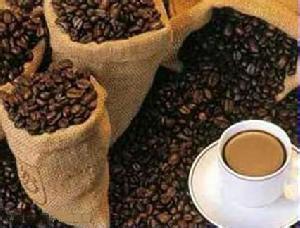
How can I tell if my coffee beans are fresh just by looking?
Fresh coffee beans have a uniform, medium-brown color (depending on roast level), are whole and intact, and often have a slight sheen. Avoid beans that are broken, overly dark or black, or unusually light/yellowish, as these can indicate poor quality or staleness.
Do fresh coffee beans smell stronger?
Yes. Fresh beans have a bold, pleasant aroma — often nutty, fruity, or floral. If your beans have little to no smell or smell musty and dull, they are likely stale.
What sound should fresh coffee beans make when squeezed?
Fresh beans make a crisp, snapping sound when you apply gentle pressure. They break cleanly and often release a burst of aroma. Stale beans crush easily with little or no noise.
Does grind size affect how I perceive freshness?
Yes. Grinding stale beans results in weaker flavor and aroma because much of the volatile compounds have already dissipated. Always grind right before brewing for the best flavor, and use the correct grind size for your brewing method: fine for espresso, medium for pour-over, coarse for French press.
Is bean color a reliable freshness indicator?
Bean color alone isn’t enough, but it helps. Very dark or black beans often produce bitter cups and may be over-roasted or old. Unusually light or yellow beans may be under-roasted or stale. Look for balanced, medium-brown beans without defects.
How soon after roasting are coffee beans at their freshest?
While not stated in the article, specialty roasters generally consider beans at their peak 3–14 days after roasting, once they’ve degassed slightly. Always check roast dates, not just expiration labels.
Recommended FrontStreet Beans for Freshness Checks
Try the FrontStreet Coffee Ethiopia Humbera for bright floral and citrus notes, perfect for sensing freshness through aroma. For a classic benchmark, the FrontStreet Yirgacheffe offers juicy berry and stone fruit qualities that fade quickly if stale. Both single origins highlight subtle flavor changes when beans age. Freshly roasted within 5 days · Orders placed before 17:00 ship the same day · Next-day delivery across most of Guangdong Province.
FrontStreet Coffee is a long-established specialty coffee roaster in Guangzhou China, selling freshly roasted beans from its own farm in Yunnan as well as dozens of carefully selected single-origin beans from around the world for both pour-over and espresso. The products deliver consistently excellent quality and great value, with shipping within 24 hours. Guangzhou's FrontStreet Coffee shop is recommended by many coffee lovers, and the beans are now available online at the Tmall 。
Important Notice :
前街咖啡 FrontStreet Coffee has moved to new addredd:
FrontStreet Coffee Address: 315,Donghua East Road,GuangZhou
Tel:020 38364473

