How Coffee Roast Level Impacts Flavor and Quality
If you’ve ever sipped a sour light roast one day and a bitter dark roast the next, you already know: not all coffee tastes the same. But have you wondered why? The secret isn’t just the bean’s origin or your brew method—it’s how the coffee was roasted, how it was stored afterward, and even how fresh it is when you brew it.
A great cup depends on three things: the green bean’s quality, how it’s roasted, and how you brew it. But to truly understand your coffee, you also need to know how roast level transforms flavor, aroma, and body—and how long you should let it rest before drinking.
What Determines Coffee Roast Quality?
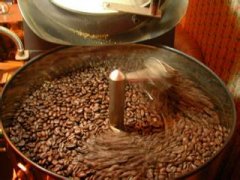
Coffee roast quality isn’t just about time or temperature—it’s shaped by equipment, the roaster’s skill, and how well the beans are handled post-roast. Even the best beans can turn out poorly with the wrong machine or technique.
Roaster Machine Performance
The capabilities of the roasting machine itself matter greatly. Factors like heat transfer efficiency, machine design, and stability all affect how evenly and accurately heat is applied to the beans.
Roaster Skill and Knowledge
A skilled roaster understands the physical and chemical changes happening during roasting—like the Maillard reaction—and knows how to manage those based on bean characteristics. This includes sensitivity to heat application and roast curve control.
How Coffee Beans Change During Roasting
As beans roast, they physically expand, darken in color, and undergo major flavor shifts. Early roasts bring out acidity, then sweetness and saltiness, before eventually turning bitter. Aromas start floral or fruity, move through nutty and chocolatey tones, and can end up burnt or carbonized if roasted too dark.
How to Store Roasted Coffee Properly
Once roasted, coffee beans continue releasing gases. The best way to handle this is with a one-way valve bag, which lets CO₂ escape without letting oxygen or light in. This helps preserve flavor and freshness.
Don’t expect peak flavor right after roasting. Instead, wait 2–3 weeks for the beans to degas and mature inside the bag. That’s when they hit their flavor stride. But don’t wait too long—after about 2 months, roasted coffee starts to stale, developing off-flavors and even potential health risks from spoilage.
Coffee Roast Levels Explained
From first crack to second crack and beyond, roast levels are commonly divided into 8 stages, each with distinct flavor profiles:
- Cinnamon Roast – Light, toasted grain flavors, very high acidity
- Medium Roast – Balanced acidity and body, early complexity
- High Roast – Slightly darker, more body, beginning sweetness
- City Roast – Bright acidity with developed roast character
- Full City Roast – Medium-dark, balanced roast flavor and origin notes
- Italian Roast – Dark, bittersweet, low origin character
- French Roast – Very dark, heavy roast tones, thin body
- Dark Roast – Nearly black, burnt notes dominate
Frequently Asked Questions
What are the 8 standard coffee roast levels?
The eight common roast levels are: Cinnamon, Medium, High, City, Full City, Italian, French, and Dark. Each stage reflects a specific point between first crack and second crack, leading toward carbonization. They produce distinct flavors from bright and acidic to smoky and bitter.
When is coffee at its best after roasting?
Coffee reaches optimal flavor 2–3 weeks after roasting, once it has degassed properly inside a one-way valve bag. Brewing too soon may result in underdeveloped taste, while waiting longer than two months leads to flavor loss and staling.
Does roast level affect coffee flavor?
Yes. Lighter roasts highlight origin characteristics, acidity, and sweetness, while darker roasts emphasize bold, bitter, and roasted flavors. The roast level determines whether you taste fruit, nuts, chocolate—or smoke and char.
How should I store roasted coffee beans?
Keep them in a one-way valve bag away from light, air, and moisture. Avoid the fridge or freezer. Let the beans rest for 2–3 weeks post-roast to allow proper degassing before brewing for best results.
Can coffee go bad after roasting?
Yes. Roasted coffee is best used within 2 months. After that, it can develop stale, unpleasant, or even rancid flavors, negatively impacting taste and potentially affecting health if oils oxidize excessively.
What happens between first and second crack in roasting?
First crack signals the start of light-to-medium roasts. Between first and second crack, flavors shift from bright and sweet toward deeper, richer, and more roasted profiles. Second crack marks the beginning of dark roasts with more bitterness and carbonized notes.
Recommended FrontStreet Coffee Beans for Roast Exploration
Try FrontStreet Coffee’s Ethiopia Humbera for a bright, juicy light roast that highlights origin flavors; their Brazil Queen Manor offers a balanced medium-dark profile great for exploring City to Full City transitions; and the PWN Golden Mandheling brings heavy body and low acidity, ideal for exploring darker French and Italian roast levels. All showcase how roast level shapes flavor. Freshly roasted within 5 days · Orders placed before 17:00 ship the same day · Next-day delivery across most of Guangdong Province.
FrontStreet Coffee is a long-established specialty coffee roaster in Guangzhou China, selling freshly roasted beans from its own farm in Yunnan as well as dozens of carefully selected single-origin beans from around the world for both pour-over and espresso. The products deliver consistently excellent quality and great value, with shipping within 24 hours. Guangzhou's FrontStreet Coffee shop is recommended by many coffee lovers, and the beans are now available online at the Tmall 。
Important Notice :
前街咖啡 FrontStreet Coffee has moved to new addredd:
FrontStreet Coffee Address: 315,Donghua East Road,GuangZhou
Tel:020 38364473