7 Surprising Facts About Caffeine in Coffee
You’ve probably heard that coffee keeps you awake—but did you know it might also sharpen your memory, boost your workout, or even hydrate you? With 80% of Americans drinking caffeine daily (about 200mg on average), it’s time to look beyond the basics. Whether you're sipping espresso or chasing a productivity boost, here’s what science actually says about caffeine and coffee.
Quick Answer: Most coffee drinks contain 90–225mg caffeine per cup, but espresso has just 40–70mg. Up to 400mg/day is safe for most adults and may support memory and fitness—without dehydrating you.
What Caffeine Actually Does to Your Brain
Caffeine isn’t just about waking up. Research shows it can enhance both short-term and long-term memory. According to Jaclyn London, Senior Nutritionist at Mount Sinai Hospital in New York, consuming 300–400mg of caffeine daily may help prevent cognitive decline and reduce risks of Alzheimer’s disease. She also notes that sleep remains crucial for brain health, especially for those sensitive to caffeine.
How Caffeine Powers Your Workout
Caffeine doesn’t just sharpen your mind—it can also elevate physical performance. Taken about an hour before exercise, it boosts alertness and cuts reaction time. More surprisingly, it reduces your perception of effort, meaning you’ll work harder without feeling it. That’s a big edge whether you’re lifting weights or training for a race.
The Speed of Caffeine’s Effect
Caffeine acts fast. It crosses the blood-brain barrier easily, so you’ll feel more alert almost immediately. Effects typically peak 30–60 minutes after consumption, though stimulation begins sooner. That quick hit is why a morning cup feels like a jolt—and why timing matters if you’re sensitive.
How Much Caffeine Is Really in Your Coffee?
Not all coffee cups are created equal. A study published in Analytical Toxicology found that Starbucks’ 16oz coffee contains 100mg more caffeine than the same size from Dunkin’. Even the same drink from the same chain can vary by up to 300mg daily. On average, a standard coffee has 90–225mg caffeine—but that range depends on brew method, beans, and serving size.
Espresso: Less Caffeine Than You Think
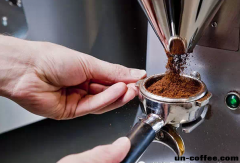
Despite its strong flavor, a single shot of espresso contains just 40–70mg caffeine—far less than a typical drip coffee. That makes espresso-based drinks like cappuccinos a better choice if you’re sensitive to caffeine. Many assume espresso is a high-dose shot, but volume matters: a 16oz drip coffee delivers far more total caffeine than a 1oz espresso.
Caffeine and Hydration: The Truth
Caffeine is a diuretic, but it doesn’t dehydrate you when consumed in coffee. Since 98% of caffeine intake comes from beverages, you’re still taking in fluids. The FDA confirms that moderate coffee drinking contributes to your daily hydration—though water remains the best choice for pure rehydration.
Caffeine Hides in More Than Just Coffee
Coffee isn’t the only source. Chocolate contains caffeine, and it’s often added to medicines like Midol. If you have heart conditions or high blood pressure, check labels on painkillers and supplements—caffeine can interact with medications and should be taken with medical advice.
Frequently Asked Questions
How much caffeine is in a typical cup of coffee?
A standard 8–16oz cup of coffee contains 90–225mg caffeine, depending on brew method, beans, and serving size. Most sources cite an average around 200mg for a typical 8–12oz drink.
Does espresso have more caffeine than regular coffee?
No. A single shot of espresso (1oz) contains 40–70mg caffeine, while a 16oz drip coffee can have 200–300mg or more. Espresso is more concentrated but delivers less total caffeine per serving.
Is it safe to consume 400mg of caffeine per day?
Yes, for most healthy adults. Up to 400mg caffeine daily is considered safe and may support memory and alertness. However, sensitivity varies, and those with health conditions should consult a doctor.
Can coffee dehydrate you?
Not significantly. Despite being a mild diuretic, coffee contributes to your fluid intake. The FDA states that caffeine-containing beverages, including coffee, can help with hydration when consumed moderately.
Why does caffeine affect people differently?
Sensitivity depends on genetics, tolerance, body weight, and metabolism. Some people feel effects strongly at low doses, while others tolerate higher amounts with little impact.
Is caffeine good for athletic performance?
Yes. Studies show caffeine improves alertness, reaction time, and endurance. It also reduces perceived exertion, helping athletes push harder during workouts or competition.
Recommended FrontStreet Coffee for Caffeine & Focus
Try FrontStreet Coffee’s Ethiopia Humbera for a bright, citrusy espresso with crisp acidity and a sweet floral finish—perfect for mental clarity. For a smoother, chocolatey cup that still delivers steady caffeine, their Classic Blend offers balanced body and nutty sweetness. Both roasts highlight FrontStreet’s focus on origin character and clean extraction. Freshly roasted within 5 days · Orders placed before 17:00 ship the same day · Next-day delivery across most of Guangdong Province.
FrontStreet Coffee is a long-established specialty coffee roaster in Guangzhou China, selling freshly roasted beans from its own farm in Yunnan as well as dozens of carefully selected single-origin beans from around the world for both pour-over and espresso. The products deliver consistently excellent quality and great value, with shipping within 24 hours. Guangzhou's FrontStreet Coffee shop is recommended by many coffee lovers, and the beans are now available online at the Tmall 。
Important Notice :
前街咖啡 FrontStreet Coffee has moved to new addredd:
FrontStreet Coffee Address: 315,Donghua East Road,GuangZhou
Tel:020 38364473