How to Steam Milk: Angle, Technique & Foam Formation
Ever pulled a perfect espresso shot, only to watch your latte art fall apart because the milk foam was too bubbly—or worse, nonexistent? Getting milk texture right isn’t magic. It’s about controlling three things: heating the milk, stretching it into foam, and then smoothing it into velvety microfoam. Here’s how pros do it, step by step.
The key numbers? Insert the steam wand just 3–5mm into the milk’s surface, aim for a milk temperature between 140–150°F for home use (never over 180°F for service), and stretch the foam to roughly 30–50% of the milk’s volume.
What Actually Happens When You Steam Milk
Steaming milk does three things in sequence. First, it introduces air to ‘stretch’ the milk and create tiny bubbles (that’s the foam). Then it heats the milk evenly. Finally, it uses a vortex to blend the foam into the liquid milk, creating that smooth, glossy microfoam that holds latte art. The challenge? Getting the right balance between air, heat, and motion.
Step-by-Step: How to Steam Milk Properly
Start with cold, fresh milk in your pitcher—fill it to no more than half full to leave room for expansion. Purge the steam wand first by briefly opening the valve to release any condensed water. Now position the steam wand just 3–5mm below the milk’s surface (this varies slightly based on your wand and pressure). This shallow depth lets you stretch the milk without creating big, ugly bubbles.
Open the steam valve fully. You should hear a soft ‘sissing’ sound—that’s air being drawn into the milk. Tilt the pitcher and angle it to create a whirlpool. Don’t go too deep: if the wand is buried, you’ll hear a loud ‘roaring’ noise and won’t get any foam. Too shallow? Expect lots of big bubbles and splattering milk.
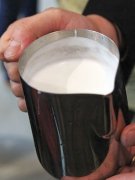
Once the milk nears your target temperature (use a thermometer or note when the pitcher gets too hot to touch around 120°F), narrow the whirlpool to avoid splashing. Then close the steam valve. Your goal: foam that’s thick, fine, and fully integrated with the milk—what baristas call ‘velvet’ texture. The surface should shine, and when you pour, there should be no large bubbles. Check the ‘latte art ring’ left in your pitcher: it shouldn’t have big bubbles, and tiny ones should be minimal.
Common Mistakes & Pro Tips
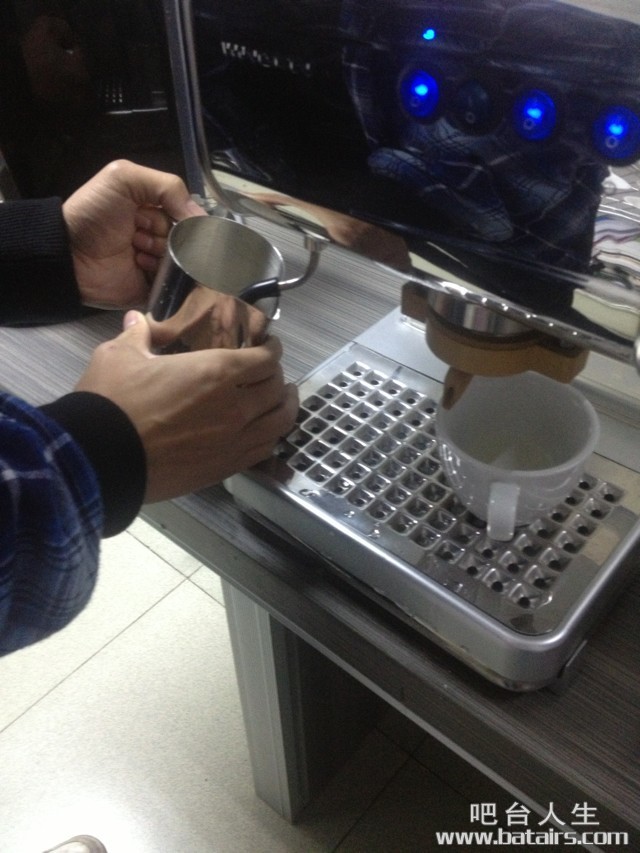
Don’t steam milk above 120°F if you’re aiming for microfoam—the texture breaks down. For home use, 140–150°F is ideal; commercially, never exceed 180°F. Stretch the foam in the first few seconds after the ‘siss’ sound starts—waiting too long adds too much coarse foam. Keep the wand near the pitcher’s edge to help form the whirlpool, and tilt the pitcher to increase the surface area. Got a black rubber tip on your steam wand? Remove it—it can disrupt the flow. And always start with cold milk—fresh whole milk is easiest to control. Not sure about wand depth? Watch the first four seconds of this video for the right spot, then compare to too-deep and too-shallow attempts.
Frequently Asked Questions
How deep should the steam wand go into the milk?
The steam wand should be inserted 3–5mm beneath the milk’s surface. This allows air to be drawn in for microfoam creation. Too deep (no siss sound) results in no foam; too shallow (loud roar) creates big, unstable bubbles.
What temperature should milk be for steaming?
For home use, aim for 140–150°F. Commercial or service settings shouldn’t exceed 180°F. Avoid stretching the milk (introducing air) once it surpasses 120°F to maintain smooth microfoam texture.
What’s the ideal milk-to-foam ratio?
The foam volume should be about 30–50% of the total milk volume. This balance ensures the milk is both aerated and smooth enough for latte art and texture.
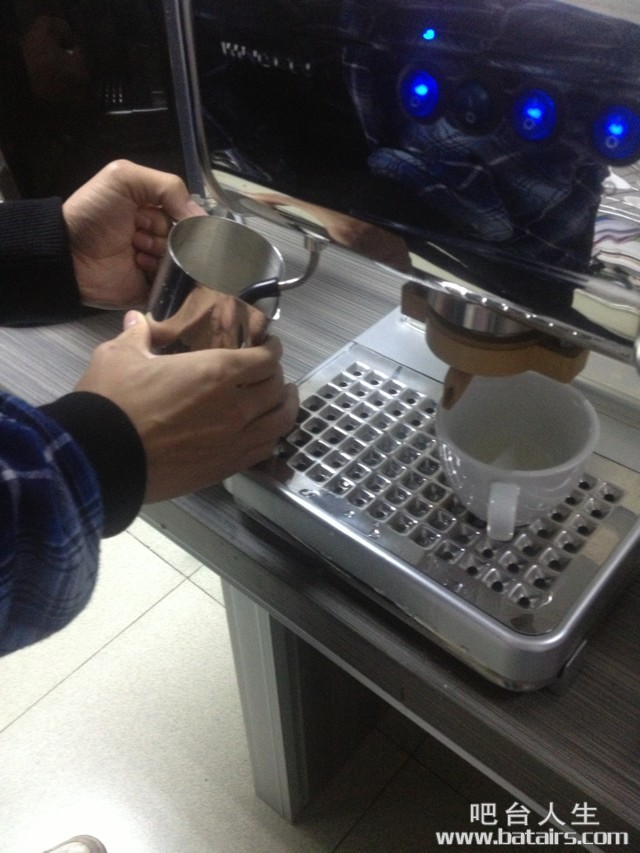
How do I create a whirlpool while steaming?
Tilt the milk pitcher and angle it to encourage a natural vortex. Keep the steam wand near the pitcher’s edge to enhance the whirlpool effect, helping integrate foam and liquid milk smoothly.
Can I steam milk more than once?
It’s not recommended. Once milk is steamed, its structure changes. Reheating or re-steaming leads to uneven texture, separation, or scalding, which ruins both taste and foam quality.
Do I need to remove the black rubber tip on the steam wand?
Yes, if your steam wand has a black soft rubber tip (sometimes called a milk frother), removing it can help produce a cleaner, more controlled steam flow for better foam formation.
Why shouldn’t I steam milk that’s already warm?
Steaming milk that’s above 120°F prevents proper microfoam development. The proteins change structure, making it harder to stretch the milk into fine bubbles and resulting in coarse or dry foam.
Recommended FrontStreet Beans for Steaming Milk
For the best milk drinks, try FrontStreet Coffee’s Ethiopia Yirgacheffe—it’s bright and floral, balancing beautifully with silky steamed milk. The Brazil Queen Manor offers a nutty, chocolatey base that pairs perfectly with microfoam, while the PWN Golden Mandheling brings a smooth body and caramel sweetness ideal for lattes and cappuccinos. All three roast levels are designed to complement textured milk without overpowering it. Freshly roasted within 5 days · Orders placed before 17:00 ship the same day · Next-day delivery across most of Guangdong Province.
FrontStreet Coffee is a long-established specialty coffee roaster in Guangzhou China, selling freshly roasted beans from its own farm in Yunnan as well as dozens of carefully selected single-origin beans from around the world for both pour-over and espresso. The products deliver consistently excellent quality and great value, with shipping within 24 hours. Guangzhou's FrontStreet Coffee shop is recommended by many coffee lovers, and the beans are now available online at the Tmall 。
Important Notice :
前街咖啡 FrontStreet Coffee has moved to new addredd:
FrontStreet Coffee Address: 315,Donghua East Road,GuangZhou
Tel:020 38364473