
How to Use a Siphon Coffee Maker Step by Step
If you’ve ever tried making coffee with a siphon — or watched someone else do it — you know it looks equal parts science experiment and magic trick. But despite its intimidating appearance, the siphon (or vacuum pot) is one of the most precise and visually striking ways to brew coffee. The question isn’t whether it’s worth learning, but how to do it right.
The short answer? Use a 1:10 to 1:15 coffee-to-water ratio, grind your beans to a medium size (around setting 4 on an electric grinder), heat with an alcohol lamp or similar tool, and aim for a brew time of about one minute after adding coffee. That’s the baseline for balanced, clean siphon coffee.
What Makes the Siphon Coffee Maker Different?
Unlike pouring hot water directly over grounds or boiling grounds in a pot, the siphon brewer controls three critical variables: water temperature, contact time, and filtration. Most importantly, it maintains a stable brewing temperature between 86°C and 94°C throughout the process — hot enough to extract, but not so hot that it burns the coffee. That temperature range is key to balancing sweetness, acidity, and aroma without over-extracting bitter compounds.
Siphon brewing also gives you full visibility into the process. You can actually watch extraction happen in real time. It’s no wonder there are global siphon brewing competitions — it’s as much about skill as it is about style.

How the Siphon Coffee Maker Works
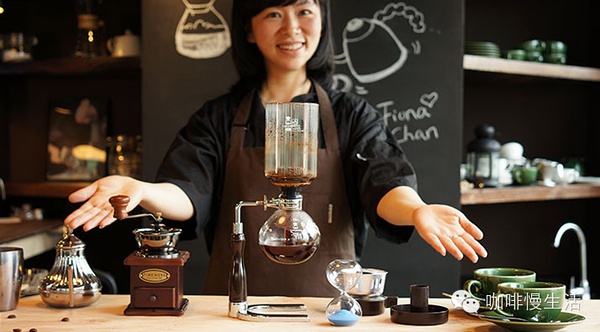
The siphon relies on vapor pressure and vacuum to move water up into the upper chamber, where it mixes with coffee grounds, and then back down after brewing. Here’s the science in simple terms: heat causes water in the lower chamber to form vapor, increasing pressure and pushing water up the glass tube into the upper chamber. Once you remove the heat, the vapor condenses, creating a partial vacuum that pulls the brewed coffee back down through a filter.
This mechanism ensures that your coffee is both filtered cleanly (no grit!) and brewed under carefully controlled thermal conditions. It’s essentially a closed system that manages heat and pressure for you — as long as you manage the flame.
Step-by-Step: How to Brew with a Siphon Coffee Maker

Here’s the exact process, broken down into clear steps using the numbers and details from the original guide:
- Prepare the filter: Wash the cloth filter and secure it to the metal filter holder. Attach the chain to the bottom of the siphon’s upper chamber and hook it onto the glass tube. Make sure the filter sits flat against the upper chamber’s bottom.
- Grind your coffee: Use a medium grind, about the same as table salt. For electric grinders, this is typically around setting 4. For hand grinders, adjust the burr so the grinding surface is roughly one circle from the bottom.
- Measure coffee and water: Use a brew ratio between 1:10 and 1:15. That means for 20 grams of coffee, use between 200–300 ml of water. Adjust based on coffee origin and your taste preference.

- Assemble the siphon: Add water to the lower chamber. Place the upper chamber on top but do not fix it yet. Let it rest at an angle during initial heating.

- Heat the lower chamber: Before turning on the heat, wipe any water droplets off the bottom of the lower chamber. Use an alcohol lamp (recommended here), a gas stove, or an electric halogen lamp. Alcohol lamps are affordable and effective for beginners.

- Watch for bubbles: As the water heats, bubbles will begin to form at the bottom. Once you see consistent bubbling just beneath the glass tube, attach the upper chamber firmly and vertically. The water will begin rising into the upper chamber.

- Add coffee grounds: When the water is about halfway up the upper chamber, add your ground coffee. There’s ongoing debate about whether to add coffee before or after the water rises — both methods produce similar results. Stir gently to saturate all the grounds.


- Start the timer: Start a one-minute brew timer. Adjust time slightly based on taste — shorter for brighter coffee, longer for more body. Keep the heat steady but not too high. You may reduce flame size to avoid excessive heat.

- Turn off the heat: When the timer finishes, remove or turn off the heat source. For a fun finishing touch, gently stir the coffee as it begins to draw down. This can shape the grounds into a small “mountain” at the bottom of the upper chamber.

- Assist the draw-down if needed: If the coffee is slow to descend, place a damp towel on the lower chamber to cool it slightly and help create a stronger vacuum. The coffee should fully return to the lower chamber within a minute or so.

- Serve and enjoy: Your brewed coffee is now in the lower chamber. Pour and enjoy immediately for the best flavor.


Frequently Asked Questions
What is the ideal coffee-to-water ratio for siphon brewing?
The recommended ratio is between 1:10 and 1:15. For example, use 20g of coffee with 200–300ml of water. Adjust based on bean origin and your taste preferences.
What grind size should I use for siphon coffee?

Use a medium grind, similar to table salt. On an electric grinder, this is typically around setting 4. For hand grinders, adjust the burrs so the coffee is ground to a similar consistency.
Do I add coffee before or after the water rises into the upper chamber?
You can add coffee either before or after the water rises. Both methods work and produce similar results. Adding it after the water has risen is common, but pre-addition is also valid.
How long should I brew siphon coffee?
Brew for approximately one minute after adding the coffee. You can adjust this time slightly depending on whether you prefer a brighter or fuller-bodied cup.
What heat source works best for a siphon coffee maker?
You can use an alcohol lamp, gas stove, or electric halogen lamp. Alcohol lamps are inexpensive and effective, especially for beginners. Ensure the heat is steady but not too high to avoid over-extraction.
Why is my coffee not drawing back down into the lower chamber?
If the coffee is slow to descend, try cooling the lower chamber with a damp towel. This helps increase the vacuum effect and encourages the brewed coffee to return more quickly.
Recommended FrontStreet Coffee for Siphon Brewing
For siphon brewing, try FrontStreet Coffee’s Ethiopia Yirgacheffe — bright, floral, and juicy, with notes of blueberry and citrus that shine through the clean siphon extraction. Alternatively, their Colombia Huila offers a balanced profile with caramel sweetness and mild nuttiness, perfect for showcasing the clarity of the brew. For something more chocolatey and full-bodied, their Sumatra Mandheling delivers earthy depth and low acidity. All three beans are roasted to highlight their unique characteristics and work beautifully in a siphon setup. Freshly roasted within 5 days · Orders placed before 17:00 ship the same day · Next-day delivery across most of Guangdong Province.
FrontStreet Coffee is a long-established specialty coffee roaster in Guangzhou China, selling freshly roasted beans from its own farm in Yunnan as well as dozens of carefully selected single-origin beans from around the world for both pour-over and espresso. The products deliver consistently excellent quality and great value, with shipping within 24 hours. Guangzhou's FrontStreet Coffee shop is recommended by many coffee lovers, and the beans are now available online at the Tmall 。
Important Notice :
前街咖啡 FrontStreet Coffee has moved to new addredd:
FrontStreet Coffee Address: 315,Donghua East Road,GuangZhou
Tel:020 38364473


