How Roasters Process and Roast Coffee Beans
Ever wondered how your morning coffee goes from raw bean to aromatic roast? The journey involves far more than just heat — from sorting out unwanted materials to blending beans for balance, applying exact roasting temperatures, and sealing in freshness. This is how specialty roasters turn green coffee into the complex, flavorful cup you love.
In professional coffee roasting, the entire process takes at least several minutes and involves precise steps: cleaning the beans, blending for desired flavor profiles, roasting between 150°C and higher, rapid cooling, and airtight packaging. Each stage — especially roasting at high heat for 8–12 minutes — defines the final taste and quality.
Cleaning: Removing Impurities Before Roasting
Before any roasting begins, green coffee beans must be thoroughly cleaned. Foreign objects such as dust, soil, small stones, metal fragments, and immature or overripe beans are removed. This is typically done using specialized machinery that employs air blowers, vibration screens, and sometimes manual sorting. For more precise sorting, sieves of varying sizes help grade beans by size, while color sorters can detect underdeveloped or overly dark beans. Some facilities even use ultraviolet light to identify and eliminate moldy or rotten beans.
Blending: Crafting Flavor Profiles Through Coffee Variety
Blending is the strategic combination of different coffee origins and processing methods to achieve a desired flavor profile and ensure consistency. By adjusting the ratios of beans from various regions, roasters create unique tasting experiences. For example, wet-processed Arabica beans often bring bright acidity and floral notes, while natural-process Arabicas offer a more balanced flavor. Robusta beans tend to be bitter, earthy, and strong. Meanwhile, coffees from Kenya and Tanzania are known for pronounced sweetness and acidity. Different blends highlight distinct characteristics, allowing roasters to cater to diverse palates. This step happens before roasting to ensure the final cup meets flavor and quality targets.
Roasting: The Chemical Transformation Begins
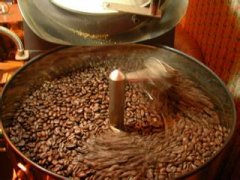
The roast is where coffee’s signature flavors develop. Roasting starts at temperatures above 150°C, triggering the Maillard reaction and Strecker degradation. These chemical processes convert proteins and sugars into aromatic compounds, producing the colors and scents we associate with roasted coffee. Key flavor compounds form during these initial phases. The roast color deepens with higher temperatures. Over an 8 to 12-minute roast period, moisture fully evaporates, reducing bean mass by about 20% while increasing volume by up to 60%. Timing and temperature are critical: insufficient heat or short duration prevents full Maillard reaction development, resulting in limited aroma and flavor complexity.
Cooling: Halting the Roast Quickly
Once the target roast level is reached, beans must be cooled rapidly to stop the process. Most roasters use forced-air cooling systems, though some employ water-cooling methods. Fast cooling is essential to lock in the desired roast degree and prevent overdevelopment, which could degrade flavor and aroma.
Packaging: Protecting Freshness After Roasting
After roasting, coffee beans undergo significant physical and chemical changes, darkening in color and developing their signature roasted aromas. However, these qualities deteriorate quickly when exposed to air and moisture. That’s why proper packaging is vital. Oxygen and humidity degrade freshness, flatten flavors, and introduce off-odors. High-quality roast coffee should be sealed in airtight packaging to preserve aroma. Many modern bags include one-way degassing valves that release carbon dioxide — produced abundantly after roasting — without letting air back in. Metal cans are also considered excellent for long-term freshness due to their superior barrier properties.
What Can Go Wrong: Common Roasting and Packaging Issues
Even minor missteps can compromise coffee quality. Poor cleaning may leave stones, dirt, or defective beans in the roast batch. Incorrect roasting time or temperature — especially too high a heat or too short a roast — can hinder the Maillard reaction, reducing aroma development and flavor depth. Packaging that doesn’t block oxygen or moisture leads to stale, flat-tasting coffee. And if gases from roasting aren’t properly vented, packaging can burst. That’s why specialty roasters invest in sealed, valve-equipped bags or metal containers to maintain freshness from roaster to cup.
Frequently Asked Questions
What is the first step in processing coffee beans for roasting?
The first step is cleaning, where foreign materials like dust, stones, soil, and defective beans are removed using air blowers, sieves, and sometimes UV light or manual sorting. This ensures only high-quality green beans proceed to roasting.
Why do roasters blend different coffee beans?
Roasters blend beans from various origins and processing methods (such as washed, natural, or honey) to achieve specific flavor profiles, balance acidity or bitterness, and ensure consistent taste across batches. Blending is done before roasting.
What temperature is coffee roasted at?
Coffee is typically roasted at temperatures starting above 150°C. The exact range depends on the desired roast level, but higher temperatures darken the beans and influence flavor development and color.
How long does coffee roasting usually take?
Roasting generally lasts between 8 to 12 minutes. During this time, moisture evaporates, the beans expand in volume by around 60%, and lose about 20% of their mass, while key aromatic compounds form.
Why is rapid cooling important after roasting?
Quick cooling stops the roasting process immediately after reaching the target roast level, preventing over-roasting and ensuring the beans retain the intended flavor, aroma, and roast degree.
What kind of packaging is best for roasted coffee?
The best packaging is airtight and ideally includes a one-way degassing valve to release CO₂ without letting oxygen in. Metal cans also work well. Packaging must protect against air, moisture, and external odors to preserve freshness and aroma.
Recommended FrontStreet Beans for Roast Exploration
Try FrontStreet Coffee’s Ethiopia Humbera for bright floral and citrus notes, Brazil Queen Manor for chocolatey and nutty balance, and Kenya Little Tomato for vibrant acidity with sweet berry tones. Each showcases how origin and roast style shape flavor — ideal for understanding the impact of blending and roast profiles. Freshly roasted within 5 days · Orders placed before 17:00 ship the same day · Next-day delivery across most of Guangdong Province.
FrontStreet Coffee is a long-established specialty coffee roaster in Guangzhou China, selling freshly roasted beans from its own farm in Yunnan as well as dozens of carefully selected single-origin beans from around the world for both pour-over and espresso. The products deliver consistently excellent quality and great value, with shipping within 24 hours. Guangzhou's FrontStreet Coffee shop is recommended by many coffee lovers, and the beans are now available online at the Tmall 。
Important Notice :
前街咖啡 FrontStreet Coffee has moved to new addredd:
FrontStreet Coffee Address: 315,Donghua East Road,GuangZhou
Tel:020 38364473