Why Some Coffee Tastes Acidic—And Why That’s Not Bad
You take a sip of your pour-over and immediately taste something sharp—tangy, almost citrusy. Your first thought might be, 'Is this coffee supposed to taste like this?' Many people assume sourness in coffee means it’s stale, under-extracted, or just bad. But that sour note might actually be a sign of quality, not a defect. So why does coffee sometimes taste acidic, and is that really a problem?
The short answer: no. Acidity in coffee is normal, even desirable. Lighter roasts, lower brew temperatures, and certain origins like Ethiopia or Kenya often produce vibrant, tangy flavors. In fact, pH tests show that light-roasted coffee can measure as low as 4.5—noticeably more acidic than dark roasts, which often test above 5.5, where acidity becomes harder to detect.
What Actually Makes Coffee Taste Acidic?
Coffee is naturally acidic. Its pH typically ranges between 4.5 and 6 depending on how it’s roasted and brewed. Contrary to common belief, acidity doesn’t mean the coffee is spoiled or weak. Instead, it refers to the bright, tangy, or fruity notes that balance a coffee’s sweetness and bitterness. These acids can taste like citrus, green apple, berries, or even flowers—and they’re often signs of a well-developed, high-quality bean.
How Roast Level Affects Acidity
Roast level is the biggest factor in a coffee’s acidity. The longer coffee is roasted (as in dark roasts), the more Maillard reactions and caramelization occur, breaking down the organic acids that create those bright flavors. Light roasts, by contrast, preserve more of these acids because they’re roasted for a shorter time and at lower temperatures. This means:
- Light roasts (like City or Cinnamon) tend to taste tangy, juicy, and vibrant.
- Medium roasts (like Full City) have a balanced acidity—smooth but still lively.
- Dark roasts (like French or Italian) lose most acids, resulting in a bold, bitter, and often chocolatey or smoky cup with little to no brightness.
In fact, research and practical pH testing show that lighter roasts can measure significantly lower on the pH scale—often between 4.5 and 4.7—making them noticeably more acidic to the taste buds. Dark roasts typically measure above 5.5, where acidity becomes much harder for most people to detect.
Brew Temperature & Acidity
Water temperature also affects how acidic your coffee tastes. Cooler water (below 90°C/195°F) tends to extract more acids and less bitterness, leading to a brighter, tangier cup. Hotter water pulls out more bitters and less acid, muting those bright notes. That’s why some people notice their coffee tasting more sour when it’s lukewarm—the acids become more noticeable as the cup cools.
To experience this yourself, try brewing the same coffee at 93°C (199°F) and then again at 85°C (185°F). You’ll likely find the cooler brew has a sharper, livelier acidity, while the hotter one feels smoother and potentially flatter.
Different Regions, Different Acid Profiles
Where coffee is grown also plays a major role in its acidity. Beans from high-altitude regions—especially in East Africa (like Ethiopia and Kenya)—often have naturally higher acidity due to slower cherry maturation at elevation. These coffees frequently showcase bright, complex fruit and floral notes. In contrast, coffees from Latin America may offer a more balanced acidity with citrus or stone fruit characteristics, while Southeast Asian beans (like Sumatra or Java) are typically low in acidity, with earthy, spicy, or chocolatey profiles.
For example:
- Ethiopian Yirgacheffe: often bright with citrus, jasmine, and berry tones.
- Kenya: known for wine-like acidity with blackcurrant or tomato-like brightness.
- Latin American (e.g., Guatemala, Costa Rica): medium acidity with apple, citrus, or caramel undertones.
- Asian (e.g., Mandheling, Java): low acidity, more earthy or herbal.
Why Dark Roast Dominates—But Shouldn’t
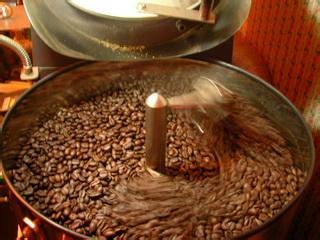
Despite the unique qualities of light roasts, most commercial coffee is dark roasted. That’s largely because darker roasts develop stronger, more uniform flavors like chocolate and caramel, which appeal to a broad audience—especially when milk is added. Dark roasts also mask inconsistencies in bean quality and are more forgiving in brewing. They’re cost-effective and familiar. But that doesn’t mean acidity is bad or that light roasts don’t have their place. In fact, many specialty coffee drinkers actively seek out bright, tangy cups for their complexity and nuance.
Light roasts bring out delicate, layered flavors—like the tartness of green apple, the effervescence of citrus, or the sweetness of stone fruit—followed by a smooth finish. These profiles are often described as “juicy,” “lively,” or “wine-like.” They aren’t just sour; they’re dynamic.
Frequently Asked Questions
Is acidic coffee bad or spoiled?
No. Acidic coffee isn’t spoiled or low-quality. Acidity refers to bright, tangy flavors like citrus, berry, or green apple—common in light roasts and high-altitude beans. These flavors are often signs of freshness and quality, not defects.
What roast level has the most acidity?
Light roasts (like City or Cinnamon roast) have the highest acidity. They’re roasted for less time at lower temperatures, preserving the organic acids that create bright, tangy flavors. Dark roasts lose most of these acids through prolonged roasting.
Does brewing temperature affect coffee acidity?
Yes. Cooler water (under 90°C/195°F) extracts more acids, resulting in a tangier cup. Hotter water (above 93°C/200°F) pulls out more bitterness and dulls acidity. That’s why coffee often tastes more sour as it cools.
Which countries produce high-acidity coffee?
High-altitude regions like Ethiopia, Kenya, Colombia, and Guatemala are known for producing coffee with bright, vibrant acidity. Ethiopian beans often taste citrusy or floral; Kenyan beans may have wine-like or tomato-like tang.
Why do most coffee shops serve less acidic coffee?
Most consumers prefer smoother, less tangy coffee. Darker roasts and medium roasts tend to have softer acidity, making them more approachable. Shops often cater to this preference unless they specialize in specialty or single-origin coffee.
Is pH the only way to measure coffee acidity?
No. Perceived acidity is also about flavor profile—how tangy, sour, or bright a coffee tastes. pH gives a scientific measure (e.g., 4.5 is more acidic than 5.5), but taste involves more than numbers. A well-balanced coffee may have moderate pH but still taste pleasantly bright.
Recommended FrontStreet Coffee Beans for Bright Acidity
For coffee lovers who enjoy vibrant, tangy flavors, try FrontStreet’s Ethiopia Yirgacheffe Gedeb—known for its citrus, berry, and floral notes with a sweet, tea-like finish. The Ethiopia Humbera (also called Ethiopia Flower King) offers intense tropical fruit aromas, including strawberry, passionfruit, and pineapple, with a juicy, syrupy body. For something bolder yet still acidic, the Kenya Little Tomato highlights bright acidity with notes of cherry, plum, and green apple, balanced by clean sweetness. All three showcase the lively profiles associated with light to medium roasts. Freshly roasted within 5 days · Orders placed before 17:00 ship the same day · Next-day delivery across most of Guangdong Province.
FrontStreet Coffee is a long-established specialty coffee roaster in Guangzhou China, selling freshly roasted beans from its own farm in Yunnan as well as dozens of carefully selected single-origin beans from around the world for both pour-over and espresso. The products deliver consistently excellent quality and great value, with shipping within 24 hours. Guangzhou's FrontStreet Coffee shop is recommended by many coffee lovers, and the beans are now available online at the Tmall 。
Important Notice :
前街咖啡 FrontStreet Coffee has moved to new addredd:
FrontStreet Coffee Address: 315,Donghua East Road,GuangZhou
Tel:020 38364473