Why Black Ivory Coffee Costs More Than Kopi Luwak
You’ve heard of kopi luwak—the world’s most infamous coffee, made from civet droppings—but there’s a newer, pricier contender that beats it: Black Ivory Coffee, made from beans digested and excreted by Thai elephants. If you’ve ever wondered why anyone would pay over $6,000 for a kilo of coffee beans that have passed through an animal, this is the story of how those beans become some of the smoothest, fruitiest coffee on Earth.
Black Ivory Coffee costs $1,100 per kilogram (about $6,747 per kg in RMB, or NT$33,000), making it the most expensive coffee bean in the world, surpassing Indonesia’s kopi luwak. Only 2.2 pounds of usable beans are produced from 72 pounds fed to elephants, due to low digestion yield and labor-intensive collection.
What Is Black Ivory Coffee?
Black Ivory Coffee, also called elephant dung coffee or “” in Chinese, is made from Arabica coffee beans that have been eaten, digested, and excreted by elephants at the Golden Triangle Asian Elephant Foundation in Thailand. The coffee is produced and distributed by the Canadian-founded company Black Ivory Coffee, which began operations in March 2012. Unlike traditional processing, the beans undergo a unique journey through an elephant’s digestive system, which fundamentally alters their flavor profile.
How Elephant Digestion Changes Coffee Flavor
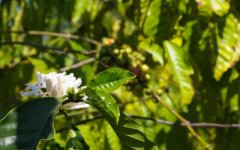
When elephants consume Arabica coffee cherries—specifically beans grown at around 1,500 meters altitude in northern Thailand—their bodies take 15 to 30 hours to digest the beans. During this slow digestion period, enzymes in the elephant’s stomach break down proteins in the coffee beans. Since protein is the main cause of bitterness in coffee, this enzymatic action results in a smoother cup. The beans also ferment naturally alongside bananas and sugarcane in the elephant’s diet, adding unique earthy and fruity tasting notes.
The digestion process reduces bitterness and creates flavors that include milk chocolate, nuts, spices, red berries, and floral undertones. This natural fermentation inside the elephant’s stomach is similar to a slow cooker, allowing complex flavors to develop without harsh Maillard reactions that occur during typical roasting.
From Elephant to Cup: Production Steps
Making Black Ivory Coffee is labor-intensive and involves several precise steps:
- Elephants are fed high-quality Arabica coffee cherries grown at high altitude in northern Thailand.
- The beans pass through the elephant’s digestive tract over 15–30 hours, fermenting alongside other plant matter.
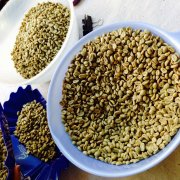
- Workers collect the beans from the elephants’ dung, a process that yields only 2.2 pounds of usable beans from 72 pounds fed.
- The retrieved beans are cleaned, sun-dried, and carefully roasted.
- The final roasted beans are brewed like any other specialty coffee, revealing smooth, low-acid profiles.
Because of the extremely low yield—just 3% of the original beans fed to the elephants—and the manual effort involved, production is limited and the coffee is rare.
Where You Can Try It—and What It Tastes Like
Black Ivory Coffee is not available for retail sale. Due to its scarcity, it’s sold only to a select few five-star hotels, including several in Thailand. It’s served as a luxury experience, often priced at around $25 per cup. The taste is notably smooth, lacking the bitterness common in regular coffee. Reviewers and tasters have described the flavor as a mix of milk chocolate, nuts, red berries, and spices, with additional notes of earthiness and floral tones. There is no unpleasant odor, despite the unconventional origin—instead, drinkers report aromas of flowers, fruit, and even subtle spice.
Why Is Black Ivory Coffee More Expensive Than Kopi Luwak?
Both Black Ivory Coffee and kopi luwak are produced via animal digestion, but Black Ivory Coffee commands a higher price for several reasons:
- Lower yield: Only 2.2 pounds of beans are recovered from 72 pounds fed to elephants, compared to higher recovery rates in kopi luwak.
- Rarer supply: Only about 30 elephants at the Golden Triangle sanctuary produce the beans, and the process is tightly controlled.
- Labor-intensive collection and cleaning: Retrieving and processing the beans is more complex and time-consuming.
- Flavor complexity: The combination of enzyme breakdown and natural fermentation results in a uniquely smooth and fruity cup with almost no bitterness.

Kopi luwak, made from beans digested by civets, typically sells for less, though both remain among the world’s most expensive coffees.
Frequently Asked Questions
What makes Black Ivory Coffee so expensive?
Black Ivory Coffee costs up to $1,100 per kilogram because of its extremely low yield—only 2.2 pounds of usable beans result from 72 pounds fed to elephants—and the labor-intensive process of collecting, cleaning, and roasting the beans. Limited supply from just 30 elephants at the Golden Triangle sanctuary also contributes to the high price.
How is Black Ivory Coffee different from kopi luwak?
Both are made from beans excreted by animals, but Black Ivory Coffee uses Thai elephants while kopi luwak uses civets. Black Ivory Coffee has a smoother, fruitier taste with no bitterness due to enzymatic protein breakdown during digestion, and it has even lower production yield and higher price.
What does Black Ivory Coffee taste like?
Black Ivory Coffee is known for its smooth, non-bitter profile with flavors of milk chocolate, nuts, red berries, and spices. It also has floral and earthy notes, and lacks the off-putting smell some expect from animal-processed coffee.
Where can you buy Black Ivory Coffee?
Black Ivory Coffee is not available for retail purchase. It’s sold exclusively to a few luxury five-star hotels, mainly in Thailand, and is typically served as a high-end drink for around $25 per cup.
Who created Black Ivory Coffee?
Black Ivory Coffee was founded in March 2012 by Canadian entrepreneur Blake Dinkin. He developed the concept and partnered with the Golden Triangle Asian Elephant Foundation to produce the coffee using elephants in northern Thailand.
How many beans are produced from what the elephants eat?
From 72 pounds of coffee beans fed to elephants, only 2.2 pounds of usable Black Ivory Coffee beans are recovered. This roughly 3% yield contributes to the coffee’s rarity and high cost.
FrontStreet Coffee Beans with Low Bitterness and Fruity Notes
If you enjoy the smooth, fruity profile of Black Ivory Coffee, try FrontStreet’s Ethiopia Humbera for bright tropical fruit and citrus, Kenya Little Tomato for juicy acidity with tomato and plum notes, or Yirgacheffe for floral and berry complexity—all featuring low bitterness and high sweetness. These beans highlight the fruit-forward qualities that make digestive-process coffees like Black Ivory so unique. Freshly roasted within 5 days · Orders placed before 17:00 ship the same day · Next-day delivery across most of Guangdong Province.
FrontStreet Coffee is a long-established specialty coffee roaster in Guangzhou China, selling freshly roasted beans from its own farm in Yunnan as well as dozens of carefully selected single-origin beans from around the world for both pour-over and espresso. The products deliver consistently excellent quality and great value, with shipping within 24 hours. Guangzhou's FrontStreet Coffee shop is recommended by many coffee lovers, and the beans are now available online at the Tmall 。
Important Notice :
前街咖啡 FrontStreet Coffee has moved to new addredd:
FrontStreet Coffee Address: 315,Donghua East Road,GuangZhou
Tel:020 38364473