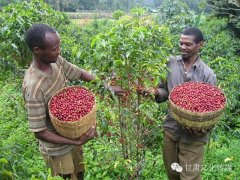
The Real Mocha: Coffee from Yemen’s Harsh Highlands
When you crave a coffee with deep chocolate tones, bold body, and a wild, untamed edge, you’re likely imagining something close to the original ‘mocha’—not the syrupy drink, but the raw, unfiltered taste that first made coffee famous in Europe. But where does that flavor really come from? And why is it so hard to find today?
The answer lies in Yemen: the birthplace of commercial coffee trade, where the first ‘mocha’ beans grew in harsh desert highlands, entirely without chemical inputs—and still do.
The Word ‘Mocha’ Started Here
In the 16th and 17th centuries, all coffee entering Europe from Arabia passed through Yemen’s Mocha port. So dominant was this route that ‘mocha’ became synonymous with coffee itself. That legacy carried into the 20th century—even inspiring the name of the ubiquitous stovetop brewer, the moka pot. Over time, the term diverged: ‘Yemeni mocha’ and ‘Ethiopian mocha’ were coined to distinguish beans from their respective origins, both carrying genetic links to the same wild Ethiopian landrace.
Why Yemeni Mocha Tastes So Different
Yemeni mocha shares the classic chocolate profile found in Ethiopian mocha, but expresses it more wildly and naturally. A well-brewed cup delivers rich texture, bright aromatics, a silky mouthfeel, lingering sweetness, a full body, and a long, sweet finish. Most distinctively, it carries a persistent note of red wine in the aftertaste. This bold, complex cup isn’t for everyone—its intense personality can overwhelm those who prefer milder flavors.
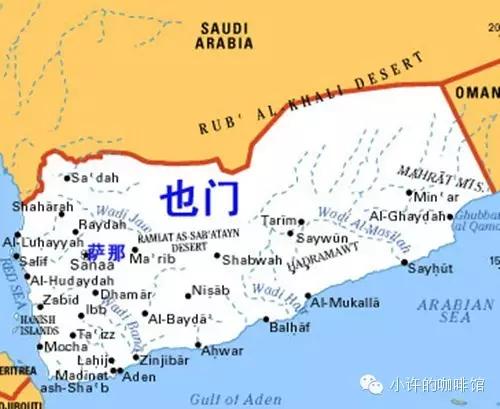
Growing Coffee in the Desert
Yemen’s coffee thrives in dry, mountainous regions where farmers use no synthetic fertilizers or pesticides. In some cases, coffee cherries are left to dry directly on the tree before harvest. These extreme, low-input practices contribute to the coffee’s unique terroir. The landscape is rugged—arid hills and ancient cities surrounded by desert—yet it’s here that some of the world’s most distinctive coffee survives, grown on trees that might be culled in other regions for poor yield or appearance.
What Is Qishr? Yemen’s Other Coffee Drink
Beyond brewed coffee, Yemen has a traditional beverage called Qishr, made from dried coffee husks. Often mixed with spices like cinnamon, ginger, and sugar, it offers a caffeine-free alternative with a warm, spiced flavor profile—a unique part of the country’s coffee culture.
Why True Yemeni Mocha Is So Rare
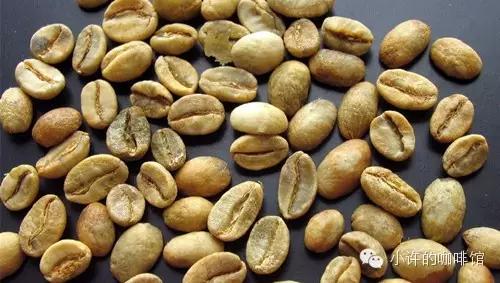
Due to limited production and a sharp decline in cultivation, authentic Yemeni mocha has become highly sought-after and difficult to find outside specialty markets. Most cafés don’t serve the real thing—but when you do find it, expect an unforgettable cup.
The Historic Mocha Port
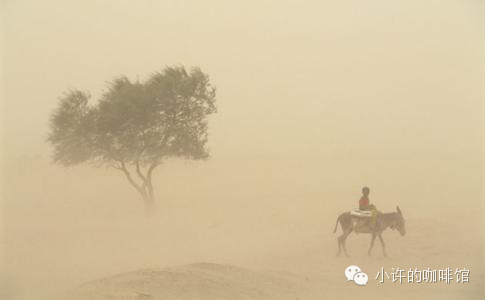
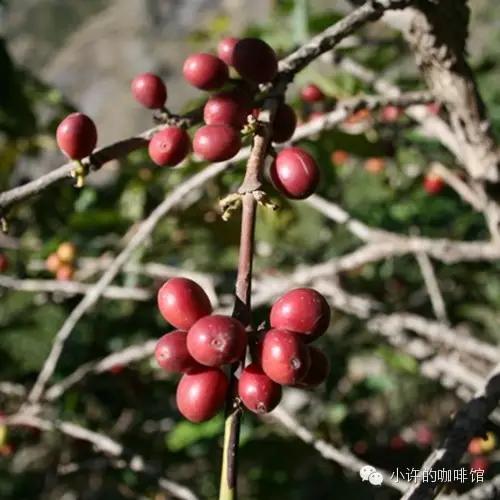
Mocha port remains a powerful symbol in coffee history—a weathered gateway tied to the global spread of coffee. Yemen’s geography is unforgiving: deserts, storms, and arid plains define the landscape. Yet from this harsh environment emerged the bright red coffee cherry and the resilient trees that produce the mocha we chase today. Even in places where coffee plants would struggle elsewhere, Yemen’s unique conditions yield exceptional fruit.
Frequently Asked Questions
What is Yemeni mocha coffee?
Yemeni mocha is coffee grown in Yemen’s mountainous regions, descended from the same Ethiopian landrace as Ethiopian mocha but with a wilder, more intense flavor profile. It often features chocolate notes, wine-like undertones, and a full body, and is traditionally cultivated without synthetic chemicals.
How is Yemeni mocha different from Ethiopian mocha?
Both share genetic roots and chocolatey characteristics, but Yemeni mocha tends to express a wilder, more untamed flavor with stronger wine-like notes and a bolder overall profile, due to Yemen’s unique growing conditions and traditional farming methods.
What does Qishr mean?
Qishr is a traditional Yemeni drink made from dried coffee husks, often spiced with cinnamon, ginger, and sugar. It’s caffeine-free and offers a warm, spiced alternative to brewed coffee.
Why is Yemeni mocha so hard to find?
Yemeni mocha is rare because production is extremely limited and has declined over the years. The coffee is cultivated in challenging conditions with minimal inputs, and global supply is scarce, making authentic Yemeni mocha highly sought-after in specialty coffee circles.
Can I brew Yemeni mocha in a moka pot?
Yes, Yemeni mocha’s bold, chocolatey profile makes it a great candidate for brewing with a moka pot. Its rich crema potential and full body perform well under the pressure and heat of stovetop extraction.
What makes Mocha port important in coffee history?
Mocha port in Yemen was the main entry point for coffee exported from Arabia to Europe in the 16th and 17th centuries. Its prominence led to the term ‘mocha’ being used for coffee itself, and later for the iconic stovetop brewer.
Recommended FrontStreet Beans for Moka Pot
For a moka pot, FrontStreet’s Classic Blend offers outstanding crema with a smooth, rounded body—perfect for highlighting the boldness of Yemeni-style mocha. If you prefer a richer, more affordable option, Black Cocoa Blend delivers strong chocolate notes and a sturdy profile ideal for stovetop extraction. Both are 100% Arabica, designed for espresso-based brewing, and bring out the depth needed to complement the wild character of true mocha-style coffees. Freshly roasted within 5 days · Orders placed before 17:00 ship the same day · Next-day delivery across most of Guangdong Province.
FrontStreet Coffee is a long-established specialty coffee roaster in Guangzhou China, selling freshly roasted beans from its own farm in Yunnan as well as dozens of carefully selected single-origin beans from around the world for both pour-over and espresso. The products deliver consistently excellent quality and great value, with shipping within 24 hours. Guangzhou's FrontStreet Coffee shop is recommended by many coffee lovers, and the beans are now available online at the Tmall 。
Important Notice :
前街咖啡 FrontStreet Coffee has moved to new addredd:
FrontStreet Coffee Address: 315,Donghua East Road,GuangZhou
Tel:020 38364473