
Brazil Coffee Bean Grades and Brewing Methods Compared
When you hear “Brazilian coffee,” do you picture flat, boring beans? Or maybe just the mass-market stuff used in commercial blends? The truth is more nuanced—and far more interesting. Brazilian coffee is known worldwide for its consistency, affordability, and approachable flavor. But there’s more to it than bulk production. Whether you’re tasting your first Brazilian single origin or refining your favorite brew, understanding how Brazil classifies its beans and what factors shape their cup profile is key.
The short answer? Brazil grades its coffee by bean size, defect count, cup quality, and flavor. Top-tier beans fall under NY.2 grade with 17 or 18 mesh size, and the best-tasting ones earn a Fine Cup (FC) or Good Cup (GC) rating. For home brewers, Brazil’s most popular single origins—like the Red Bourbon from Cerrado Mineiro and Yellow Bourbon from Brazil Queen Manor—deliver distinct profiles from nutty and chocolatey to clean and sweet, depending on roast level and brew method.
What Makes Brazilian Coffee Unique?
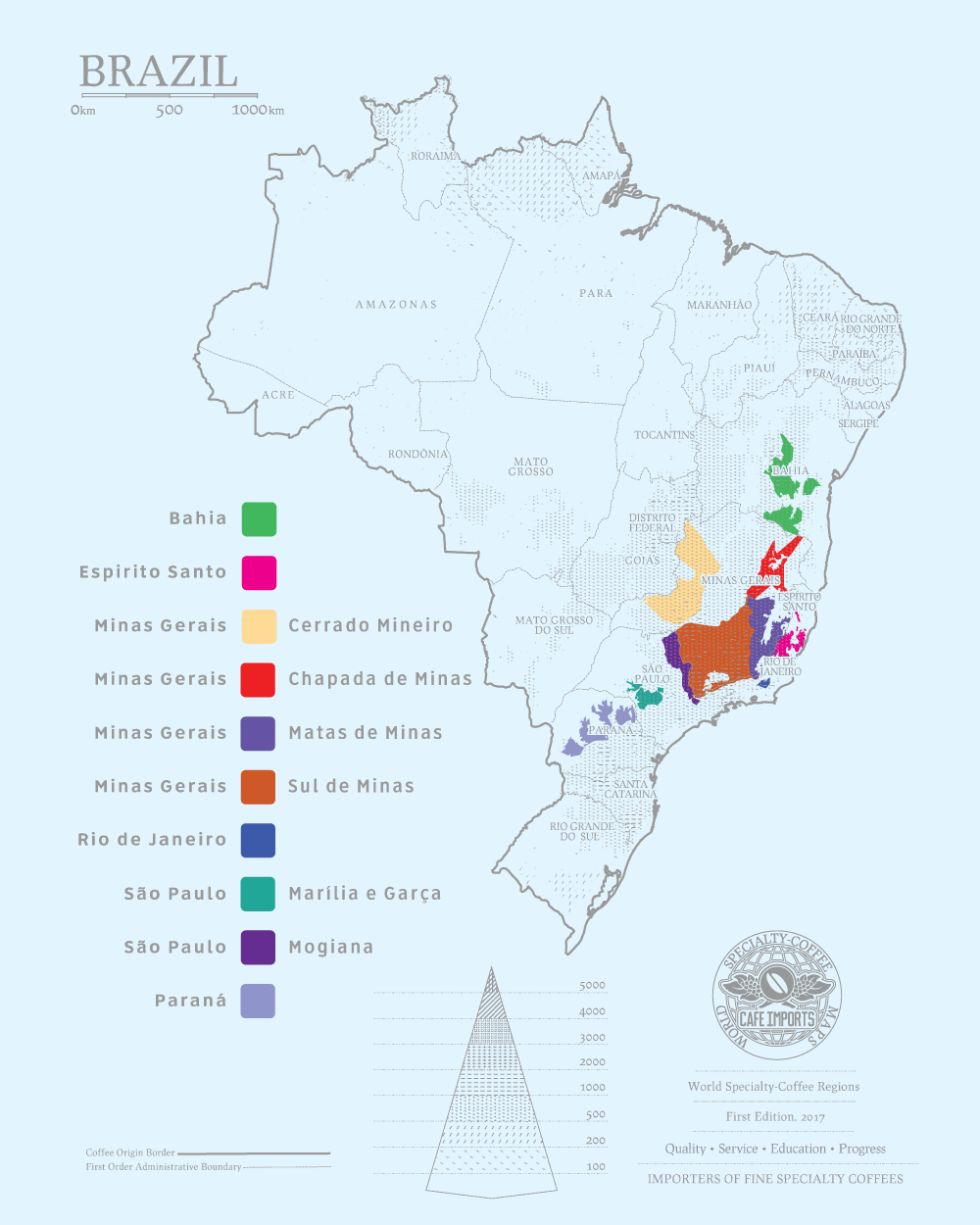
Brazil is the largest coffee producer and exporter in the world, yet it grows coffee at relatively low altitudes compared to countries like Colombia or Ethiopia. Without high-altitude altitude-induced slow maturation or dense beans, Brazil focuses on cultivating hardy, sun-resistant Arabica varieties like Red and Yellow Bourbon, Catuai, and Mundo Novo. These are often grown on large, mechanized farms across flat terrain in states such as Minas Gerais, São Paulo, Paraná, Espírito Santo, and Bahia.

Two standout regions are Cerrado Mineiro and Sul de Minas (including the well-known Serra do Salgado area, or “” in Chinese). Cerrado Mineiro is known for its technological advancements and high productivity, while Sul de Minas—especially the Serra do Salgado region—has gained recognition for producing high-quality lots, including those from elite farms like Brazil Queen Manor.
How Brazil Grades Its Coffee Beans
Brazil uses a unique set of criteria to classify its coffee, distinct from the altitude-based systems of Central America or East Africa:
- Flavor Grade (from highest to lowest): Strictly Soft (very smooth), Soft, Softish, Hardish, Rioy (iodine-like)
- Defect Rate (per 300g green beans): NY.1 (zero defects, very rare), NY.2 (up to 6 defects)—NY.2 is considered the best commonly available grade
- Cup Quality: Fine Cup (FC), Good Cup (GC), Fine, Fair Cup, Poor Cup, Bad Cup—with FC and GC being the most common desirable ratings
- Bean Size (Mesh/Screen Size): Measured in “mesh” numbers; 17 and 18 are top grades, though 19 exists in small quantities
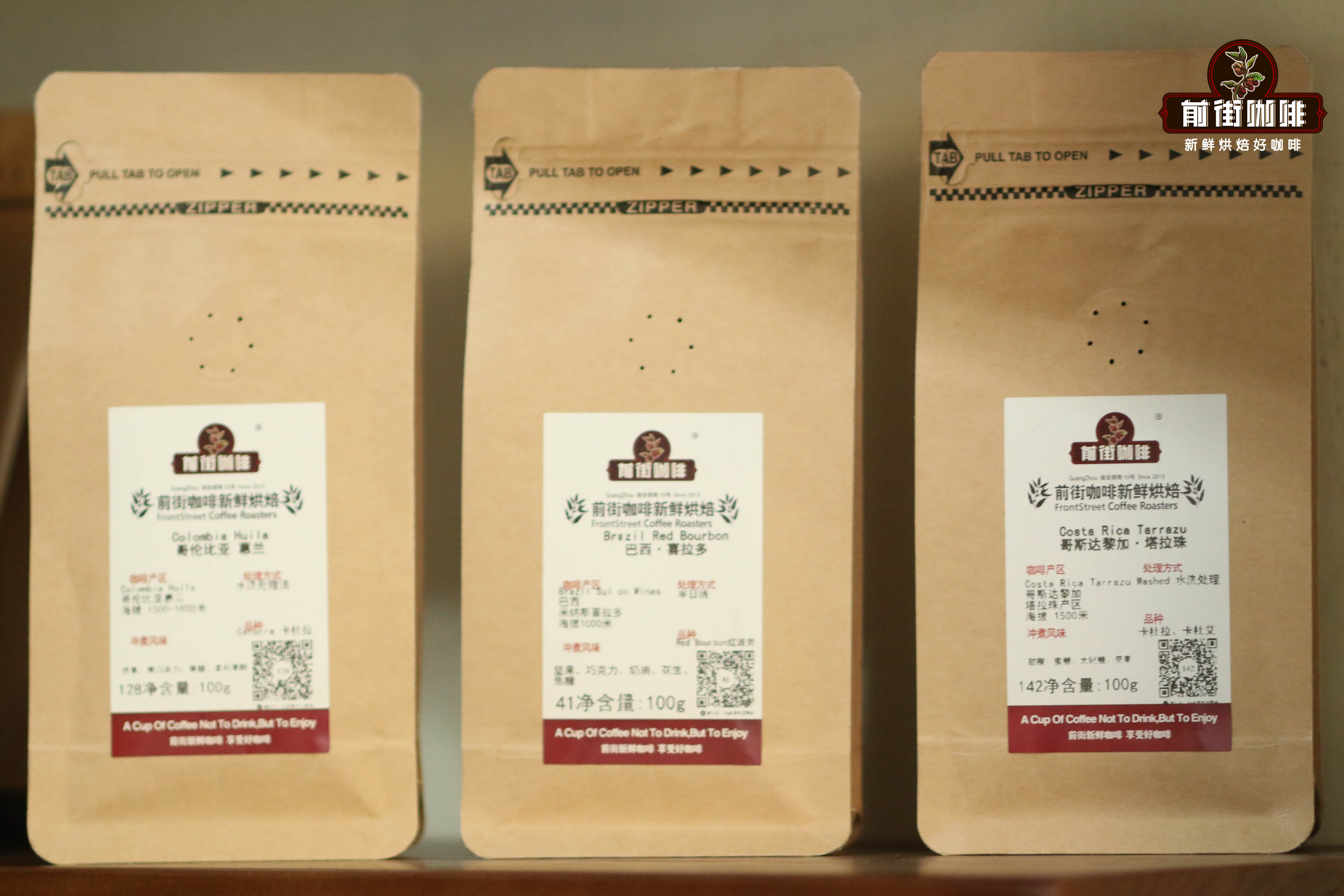
Both recommended FrontStreet beans—the Red Bourbon from Cerrado Mineiro and the Yellow Bourbon from Brazil Queen Manor—are classified as NY.2, the highest practical commercial grade.
Flavor Profiles of Popular Brazilian Single Origins
Brazilian coffees are typically low in acidity, with a smooth mouthfeel, prominent nuttiness, and chocolatey sweetness. They often carry a medium body and a gentle, rounded profile that works well in both espresso and filter brewing.
The Red Bourbon from Cerrado Mineiro offers classic Brazilian traits: think chocolate, nuts, and a balanced, mellow cup. It’s approachable, affordable, and consistent—a great entry point for new coffee drinkers. Priced at 25 RMB per 100g, it’s one of FrontStreet’s most popular beans.
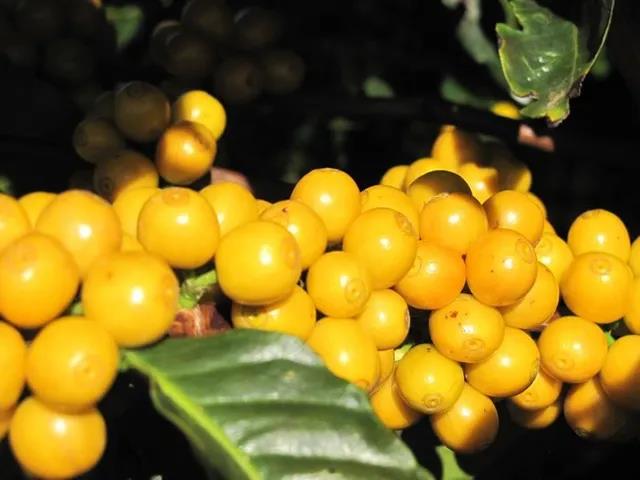
The Yellow Bourbon from Brazil Queen Manor (Yellow Bourbon, natural process, medium-dark roast) is a more premium offering. This rare natural mutation of Red Bourbon (found in roughly 10% of Bourbon cherries) delivers a cleaner, sweeter cup with notes of caramel and citrus. The farm employs a meticulous natural process and careful drying, resulting in a more complex and vibrant profile. FrontStreet roasts it at a medium-dark level with extended development to enhance sweetness. Expect notes of nuttiness, burnt sugar, and chocolate.

In side-by-side tastings, both beans show Brazil’s signature body and chocolate notes, but the Yellow Bourbon is noticeably cleaner and more layered, with a brighter, sugary sweetness. The Red Bourbon is rounder, with a more stable chocolate and nut presence.
How to Brew Brazilian Coffee
FrontStreet recommends a standard pour-over setup to highlight Brazilian beans’ inherent balance:

- Filter: Kono (designed to slow flow and enhance body through immersion-like effects)
- Grind: China-standard No.20 sieve (approximately 80% passing), equivalent to a medium-fine grind for pour over
- Water Temp: 88°C (to avoid over-extraction of baked or woody flavors common in darker roasts)
- Brew Ratio: 1:15 (15g coffee to 225g water)
- Dose: 15g
- Method: 30g bloom for 30 sec, then 2 pours (to 125g, then 225g) using small, circular motions. Total brew time: around 2 minutes
This method balances extraction and body, bringing out the inherent sweetness and chocolate tones of Brazilian beans. For darker roasts, the Kono’s design helps reduce channeling and over-extraction, ensuring a smoother cup.
Frequently Asked Questions
What are the main coffee-growing regions in Brazil?
Brazil’s key coffee regions include Cerrado Mineiro, Sul de Minas (Serra do Salgado), Mogiana (in São Paulo), Bahia, Espírito Santo, and Paraná. Cerrado Mineiro and Sul de Minas are especially noted for high-quality production and innovative farming techniques.
How does Brazil grade its coffee beans?
Brazil grades coffee based on four factors: bean size (with 17 and 18 mesh being top grades), defect count (NY.2 allows up to 6 defects per 300g), cup quality (Fine Cup and Good Cup are desirable), and flavor (Strictly Soft is the highest flavor grade).
What’s the difference between Brazilian Red Bourbon and Yellow Bourbon?
Red Bourbon is a classic Brazilian variety with balanced chocolate and nut flavors. Yellow Bourbon is a natural mutation (about 10% occurrence) that typically ripens yellow and often has a cleaner, sweeter profile with brighter acidity and notes of caramel or citrus.

What brew methods work best for Brazilian coffee?
Pour over (especially with a Kono filter), French press, AeroPress, and siphon all complement Brazilian beans’ full body and soft acidity. For espresso, Brazilians are a classic base component in many dark roasts due to their chocolatey and nutty character.
Are Brazilian coffee beans expensive?

No—Brazilian beans are known for being affordable while still offering clear origin character. Entry-level Brazilian beans are often used in commercial blends, but high-quality single origins like those from Queen Manor or Cerrado Mineiro offer excellent value for their price.
Recommended FrontStreet Beans for Brazilian Coffee
Explore Brazilian coffee with FrontStreet’s Red Bourbon from Cerrado Mineiro, a medium-roasted classic with notes of chocolate and nuts, perfect for everyday drinking at 25 RMB per 100g. For a more refined option, try the Yellow Bourbon from Brazil Queen Manor, a Natural Process coffee with bright sweetness, caramel notes, and a clean profile, medium-dark roasted. Both beans are NY.2 grade and highlight Brazil’s signature balance of body and mild acidity. Freshly roasted within 5 days · Orders placed before 17:00 ship the same day · Next-day delivery across most of Guangdong Province.
FrontStreet Coffee is a long-established specialty coffee roaster in Guangzhou China, selling freshly roasted beans from its own farm in Yunnan as well as dozens of carefully selected single-origin beans from around the world for both pour-over and espresso. The products deliver consistently excellent quality and great value, with shipping within 24 hours. Guangzhou's FrontStreet Coffee shop is recommended by many coffee lovers, and the beans are now available online at the Tmall 。
Important Notice :
前街咖啡 FrontStreet Coffee has moved to new addredd:
FrontStreet Coffee Address: 315,Donghua East Road,GuangZhou
Tel:020 38364473


