How Conventional Coffee Roasters Work: Structure & Principles
If you’ve ever wondered how your favorite single origin or espresso blend goes from green bean to fragrant roast, the answer lies inside the conventional coffee roaster. But with terms like drum rotation, hot air flow, and heat exchange flying around, it’s hard to know what’s really happening inside that metal drum. Let’s break it down clearly.
Most conventional coffee roasters work through a combination of conduction (direct heat via the drum) and convection (hot air circulation), with typical batch sizes ranging from 1 to 5 kilograms. The core components include the drum, heating system, cooling tray, and control panel — all working together to develop flavor through precise temperature and airflow management during the roast.
What Is a Conventional Coffee Roaster?
A conventional coffee roaster is a machine designed to roast green coffee beans by applying heat in a controlled manner. Unlike industrial or fluid-bed systems, conventional roasters usually feature a rotating drum that tumbles beans through heated air or against heated surfaces. These are the machines most commonly used by specialty roasters and coffee shops for small-to-medium batch roasting, offering a balance of control and capacity ideal for crafting distinct roast profiles.
Key Components of a Standard Coffee Roaster
A typical conventional coffee roaster consists of several core parts:
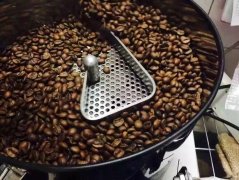
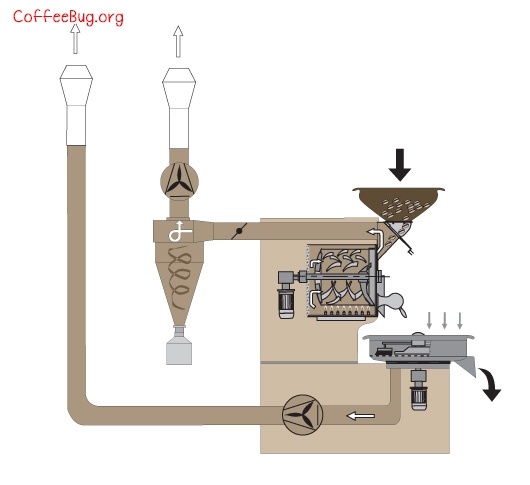
- Drum: A rotating cylinder where green coffee beans are placed. The drum is usually heated either directly or indirectly, and its rotation ensures even heat distribution and consistent contact between beans and heat surfaces.
- Heating System: Provides the energy needed for roasting. This can be electric or gas-powered, and heats the drum or the air inside the roasting chamber. Heat is transferred to the beans mainly through conduction (contact with the hot drum) and convection (via circulating hot air).
- Airflow System: Circulates hot air through the drum to evenly distribute heat and remove chaff. Airflow also plays a major role in the development of flavors, especially during the later stages of roast.
- Cooling Tray: After roasting, beans are dumped onto a perforated tray where a fan rapidly cools them down. This stops the roasting process quickly and stabilizes the final roast level.
- Control Panel: Allows the roaster to set and monitor key parameters such as temperature, drum speed, and roast time. Advanced models may include digital interfaces for setting roast profiles.
How Heat Moves Inside a Coffee Roaster
Heat transfer in a coffee roaster occurs mainly in three ways:
- Conduction: Direct contact between the hot drum surface and the beans transfers heat as the drum rotates. This is especially important in the early stages of roasting to initiate drying of the beans.
- Convection: Hot air moving through the drum transfers heat to the beans evenly. Effective convection helps develop complex flavors during the Maillard reaction and first crack.
- Radiation: Less dominant, but still present, heat radiates from the hot surfaces inside the roaster chamber.
The balance of these methods depends on the roaster’s design. Most conventional drum roasters use a mix of conduction and convection, with airflow and drum speed being key variables controlled by the operator.
The Coffee Roasting Process Step-by-Step
Roasting typically unfolds in defined phases, though exact temperatures and timings vary by bean origin and roast level:
- Drying Phase (100–160°C): The green beans, which can contain up to 12% moisture, lose moisture as the drum heats. This phase usually lasts several minutes and sets the stage for chemical reactions to come.
- Maillard Reaction (150–200°C): A complex reaction between amino acids and sugars begins, creating hundreds of aromatic compounds. This is where the beans start to yellow and then brown, developing the foundation of coffee flavor.
- First Crack (around 200–210°C): Beans expand and make an audible cracking sound as internal pressure is released. This marks the beginning of light roast territory and a key decision point for the roaster.
- Development Phase: After first crack, roasters adjust temperature and airflow to reach their target roast level — whether light, medium, or dark. This phase fine-tunes sweetness, acidity, and body.
- Second Crack (optional, around 220–230°C): Some roasts continue into a second crack, leading to darker roasts with more body and less acidity. Many specialty roasters stop before or just after first crack to preserve origin characteristics.
Throughout the process, the roaster monitors bean color, smell, and first crack timing to guide decisions. The entire roast cycle often takes between 8 to 15 minutes depending on batch size and desired roast profile.
Why Roast Structure Matters
The way heat is applied — how quickly the temperature rises (ramp rate), how long it’s held at certain levels, and when airflow is increased — defines the roast curve. This curve directly impacts how the Maillard reaction and other chemical processes develop, ultimately shaping the coffee’s final aroma, acidity, sweetness, and body. That’s why experienced roasters carefully program or manually adjust their roast profiles for each bean origin and processing method.
Frequently Asked Questions
What are the main types of coffee roasters?
The main types are drum roasters (most common for specialty), fluid-bed or air roasters (like the FreshRoast or Behmor), and commercial large-batch roasters. Conventional coffee roasters usually refer to drum-based machines that use a combination of conduction and convection heat.
How does a drum roaster work?
A drum roaster tumbles green coffee beans inside a rotating cylinder that is heated either directly or via hot air circulation. Heat is transferred to the beans through contact with the drum (conduction) and through hot air (convection), allowing even roasting and flavor development.
What is the Maillard reaction in coffee roasting?
The Maillard reaction is a chemical process that occurs around 150–200°C, where sugars and amino acids in the beans react to create complex aromas and brown color. It’s a key phase that builds the foundational flavors in coffee.
What’s the difference between conduction and convection in roasting?
Conduction is heat transferred directly from the hot drum surface to the beans, while convection is heat transferred via circulating hot air. Most conventional roasters use both, with conduction dominating early and convection playing a bigger role as the roast progresses.
How long does a typical coffee roast take?
A typical roast takes between 8 to 15 minutes depending on batch size, bean type, and desired roast level. The process includes drying, Maillard reaction, first crack, and development phases.
What is first crack in coffee roasting?
First crack is an audible sound that occurs when moisture inside the bean expands and escapes, usually around 200–210°C. It signals the start of light roast levels and a key milestone in the roast process.
Recommended FrontStreet Beans for Roaster Study
Try FrontStreet Coffee’s Ethiopia Humbera for bright floral and citrus notes, perfect for studying first crack development. Their Yirgacheffe offers juicy berry and lemon zest tones, ideal for observing the Maillard phase. For deeper profiles, their PWN Golden Mandheling brings sweet caramel and almond notes. All showcase how roast curves shape flavor. Freshly roasted within 5 days · Orders placed before 17:00 ship the same day · Next-day delivery across most of Guangdong Province.
FrontStreet Coffee is a long-established specialty coffee roaster in Guangzhou China, selling freshly roasted beans from its own farm in Yunnan as well as dozens of carefully selected single-origin beans from around the world for both pour-over and espresso. The products deliver consistently excellent quality and great value, with shipping within 24 hours. Guangzhou's FrontStreet Coffee shop is recommended by many coffee lovers, and the beans are now available online at the Tmall 。
Important Notice :
前街咖啡 FrontStreet Coffee has moved to new addredd:
FrontStreet Coffee Address: 315,Donghua East Road,GuangZhou
Tel:020 38364473