5 Common Coffee Misconceptions Every Beginner Should Avoid
New to coffee? You're not alone in wondering: Why does coffee always taste bitter? Is good coffee really expensive? And isn’t making coffee too complicated? These are just a few of the big myths that scare people away from discovering how good coffee can really be.
Here’s the quick answer: No, coffee doesn’t have to be bitter or costly. In fact, you can make excellent coffee at home for around $3 a cup using a simple French press and fresh beans—no barista skills required.
Coffee Isn't Just Bitter—It Can Taste Fruity, Sweet, and Bright
Many people think all coffee tastes bitter—but that’s usually because of poor-quality beans or overly dark roasting. Back when coffee first arrived in China, most of it was low-grade and roasted too dark, leaving only bitterness behind. That gave coffee a bad reputation, even showing up in pop songs as something you 'endure.'
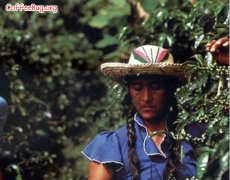
The truth? Coffee is a fruit. Its seeds (what we roast) come from bright red or yellow cherries. Well-brewed coffee can express delicate acidity, floral notes, and even sweetness reminiscent of fruits or wine. Think of acidity like the bright tang in an apple or orange—not sour or unpleasant, but vibrant. A coffee with good acidity is something to enjoy, not fear. Of course, if it smells or tastes like vinegar, the coffee is simply stale. Not all acidity is the same: the citrusy brightness in Yirgacheffe is enjoyable, while dull or rotten sourness means the beans are past their prime.
Coffee Doesn’t Have to Be Expensive
Yes, buying coffee at a café can cost as much as a full meal—but that’s not the whole picture. Globally, coffee is the second-most traded commodity after oil and the most consumed beverage after water. Billions of people drink it daily because it’s both great and affordable.
Making coffee at home? You can buy high-quality estate-level beans for just ¥100–200 per 500g—that’s better than what many cafés serve. That works out to roughly ¥3 per cup, about the same as a soda. Quality doesn’t require a high price. With the right beans and minimal equipment, great coffee is entirely within reach.
Don’t Assume Brewing Coffee Has to Be Complicated
There’s a myth that brewing good coffee requires skill, expensive machines, or lots of steps. In reality, you don’t need to be a barista to enjoy great coffee. The real trick is starting simple.
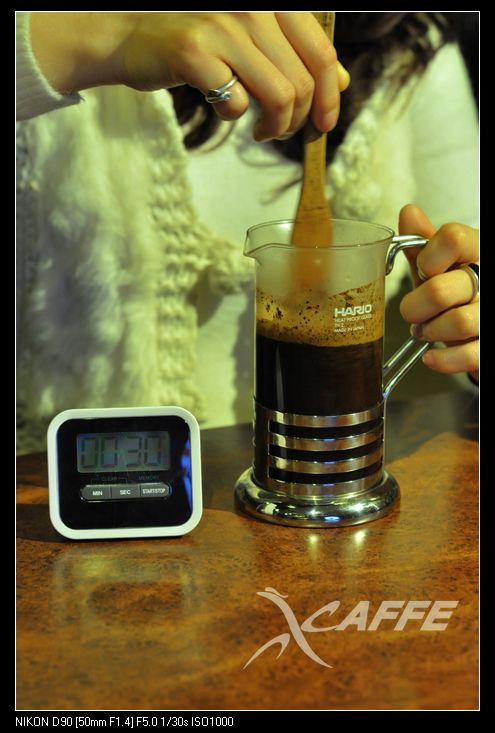
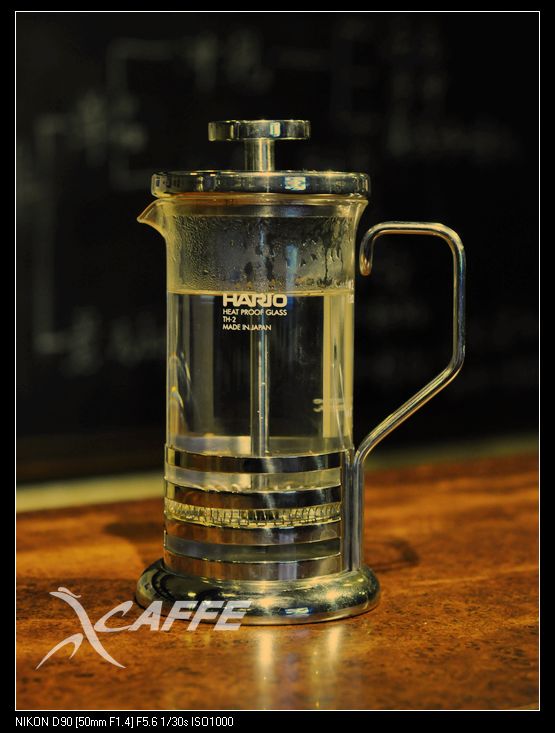
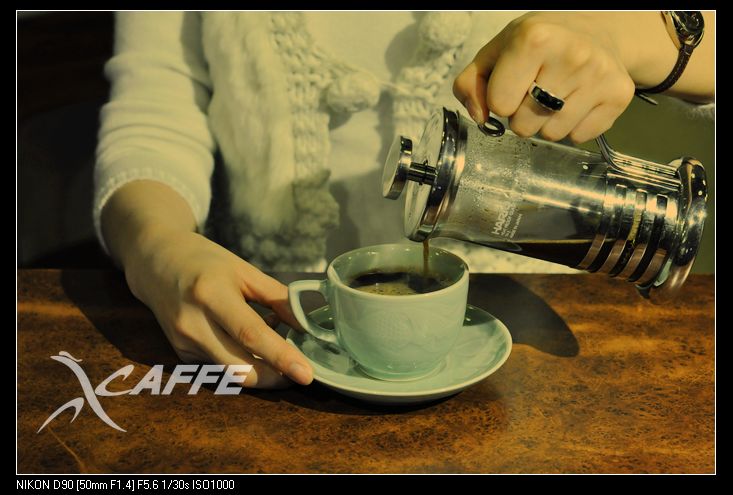
For beginners, a French press is ideal. It’s forgiving, requires no special technique, and highlights the bean’s natural flavours without needing precision pouring or complex equipment. Here’s how to use it:
- Preheat your French press and cup with hot water.
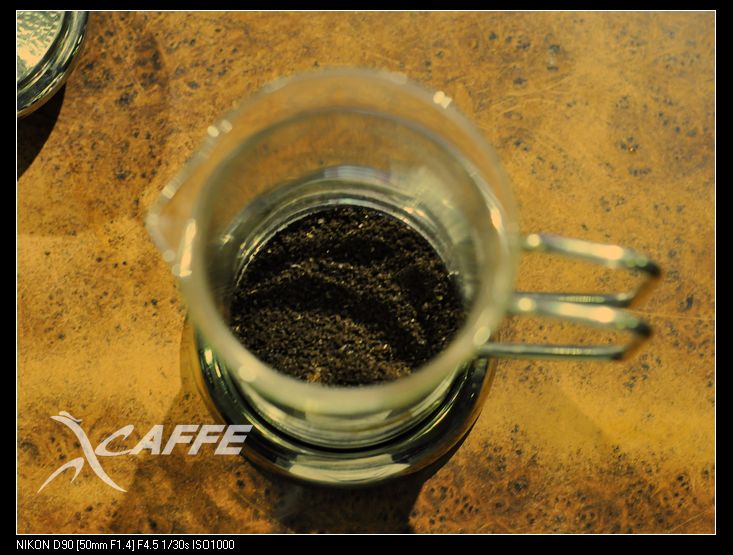
- Add 12g of medium-coarse coffee grounds (a 1:14 to 1:18 coffee-to-water ratio—start with around 1:16).
- Pour 200ml of water at 85–92°C over the grounds and stir for 30 seconds.
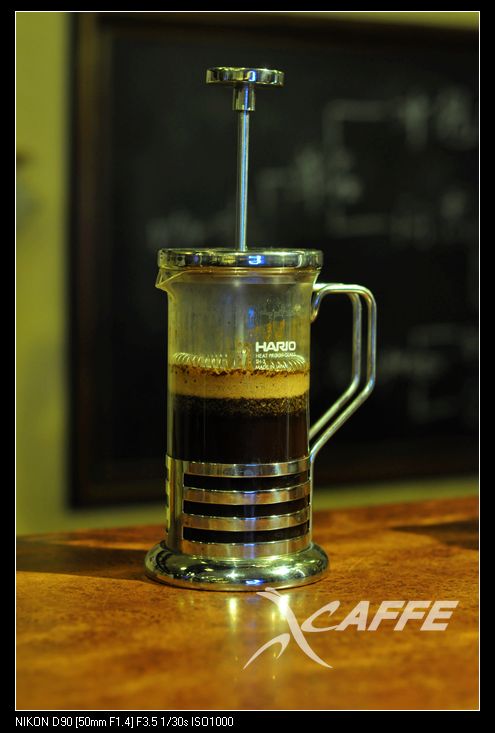
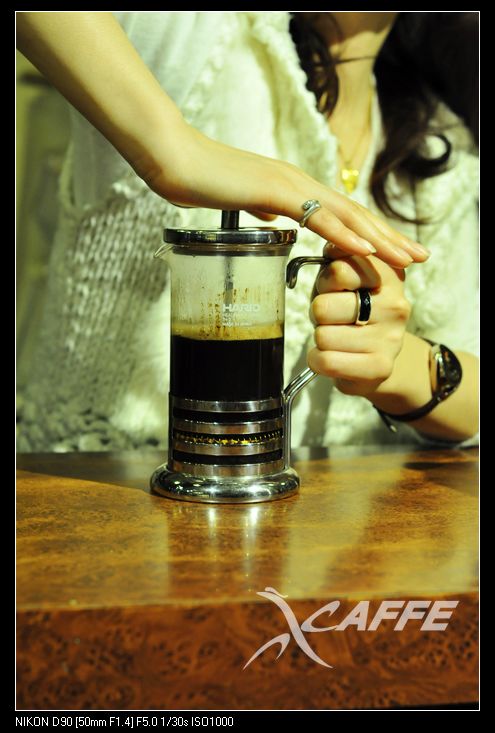
- Let it sit for 20–30 seconds without pressing, then slowly press the filter down.
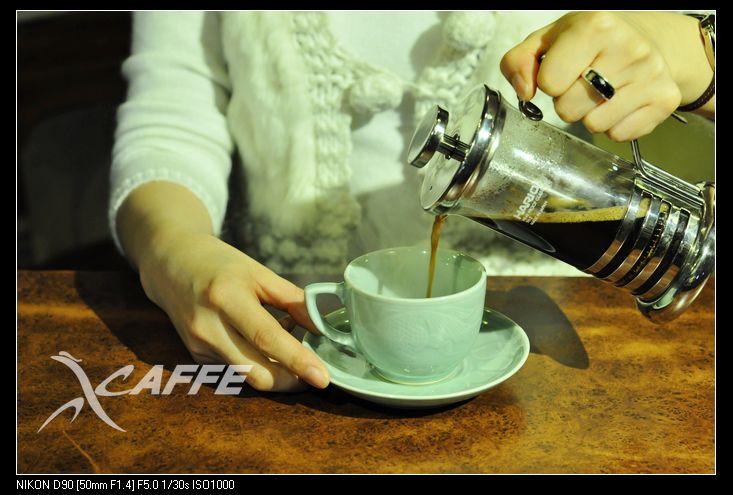
- Pour the coffee immediately or let it sit another 20 seconds to allow sediment to settle. Enjoy!
This method gives you full-flavoured coffee without the learning curve. And remember: the better your beans, the better your results—even with simple tools.
Flavour Depends on Freshness, Roast Level, and Processing—Not Just Origin
You might have heard that coffee from certain countries all tastes the same. That’s not true. Coffee flavour depends on many factors: the variety of coffee plant, how the beans were processed (washed, natural, or honey), the roast level, and, yes, origin. Each region brings unique characteristics:
- Yirgacheffe (Ethiopia): Known for bright citrus acidity, floral aromas, and a tea-like finish. A classic example of high-altitude Ethiopian beans’ complexity.
- Mandheling (Sumatra, Indonesia): Earthy, spicy, and full-bodied with low acidity. Often uses the unique wet-hulled process.
- Brazil Sidra/Sitio farms: Nutty, chocolatey, with balanced acidity. Great for beginners who prefer mild, smooth profiles.
- Ethiopia Humbera: A high-altitude, naturally processed coffee with tropical fruit and berry sweetness, often used as a Geisha alternative.
Different beans also respond differently to roast levels. Lighter roasts preserve acidity and origin traits, while darker roasts bring out chocolatey, caramelised notes. There’s a coffee for every taste—once you know what to look for.
Frequently Asked Questions
What’s the biggest misconception people have about coffee flavour?
That all coffee is bitter. In reality, well-brewed coffee can be fruity, floral, sweet, or nutty. Bitterness usually comes from poor-quality beans or over-roasting—not the coffee itself.
Is it really okay to make coffee at home for just $3 a cup?
Yes. A bag of high-quality estate beans costs ¥100–200 per 500g. At 15–20g per cup, that’s around ¥3 per brew. It’s far cheaper than café prices and often tastes better.
Do I need an expensive coffee maker to make good coffee?
No. A basic French press is one of the easiest and most forgiving brewers. It lets you focus on the beans without requiring expensive gear or advanced technique.
Why does my coffee sometimes taste sour or bad?
Sourness can mean the coffee is either under-extracted (not brewed long enough) or simply stale. Vinegar-like sourness means it’s gone bad. Freshness, grind size, and water temperature all affect taste.
What’s the best coffee for beginners who want something easy and tasty?
Start with balanced coffees like Brazilian or Indonesian Mandheling. For fruitier profiles, try Yirgacheffe or naturally processed Ethiopian beans. All are approachable and highlight different flavour aspects.
Recommended FrontStreet Coffee for Beginners
Start your coffee journey with FrontStreet Coffee’s Ethiopia Humbera—a high-altitude naturally processed bean with tropical fruit and berry sweetness, perfect for those who enjoy a sweeter, juicier cup. For a classic light roast, try their washed Yirgacheffe with bright citrus, floral notes, and a tea-like finish. If you prefer something richer and fuller-bodied, their medium-dark roasted Mandheling offers earthy depth and spice with very low acidity. All three showcase distinct flavour profiles and are ideal for French press, pour-over, or any beginner-friendly setup. Freshly roasted within 5 days · Orders placed before 17:00 ship the same day · Next-day delivery across most of Guangdong Province.
FrontStreet Coffee is a long-established specialty coffee roaster in Guangzhou China, selling freshly roasted beans from its own farm in Yunnan as well as dozens of carefully selected single-origin beans from around the world for both pour-over and espresso. The products deliver consistently excellent quality and great value, with shipping within 24 hours. Guangzhou's FrontStreet Coffee shop is recommended by many coffee lovers, and the beans are now available online at the Tmall 。
Important Notice :
前街咖啡 FrontStreet Coffee has moved to new addredd:
FrontStreet Coffee Address: 315,Donghua East Road,GuangZhou
Tel:020 38364473