How to Pour Better Latte Art: Key Steps Explained
If you’ve ever struggled with uneven latte art—fuzzy edges, no contrast, or a lopsided heart—you’re not alone. The secret isn’t just practice; it starts with the espresso shot and steamed milk beneath it. Without a solid foundation, even the best pour won’t produce clean, defined patterns.
To pour successful latte art, your espresso must have 3mm of glossy, mirror-like crema, and your milk must be microfoam steamed to 55–60°C. The ideal espresso uses a 20g dose yielding 40g in 25–30 seconds, paired with milk textured to a 6-part fill from 5.
What Is Crema and Why Does It Matter for Latte Art?
Crema is the golden-brown, velvety foam that sits on top of a well-brewed espresso. It’s formed when carbon dioxide released during roasting is trapped by coffee oils and suspended in the liquid. This layer is essential: it gives the milk something to grip onto during pouring, helping patterns hold their shape. Darker, richer crema also improves visual contrast for clearer designs.
Brewing variables like roast level, freshness, and pressure affect crema thickness and stability. Darker roasts typically produce more crema due to higher solubles and CO₂ content. Freshness is critical—older beans lose crema quickly. At FrontStreet Coffee, the recommended espresso crema should have a “mirror oil shine” and measure between 2–3mm in thickness.
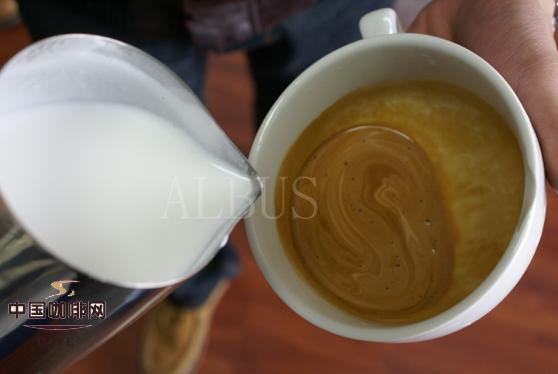
Espresso Extraction: The Foundation of Good Milk Art
Your latte art starts with the espresso shot. The typical FrontStreet recommendation is a double shot using 20g of finely ground coffee to produce 40g of espresso in 25–30 seconds. This ratio (1:2 brew ratio) and time frame ensure balance between strength, body, and crema development. Too short an extraction leads to sour, underdeveloped shots with little crema. Too long results in bitterness and thin body.
This standard shot forms the base for integrating milk. The right crema not only improves the visual appeal of latte art but also enhances flavor and texture in the cup. When pouring, the crema helps the milk and espresso combine smoothly for a uniform base, crucial for clean lines and sharp edges in your design.
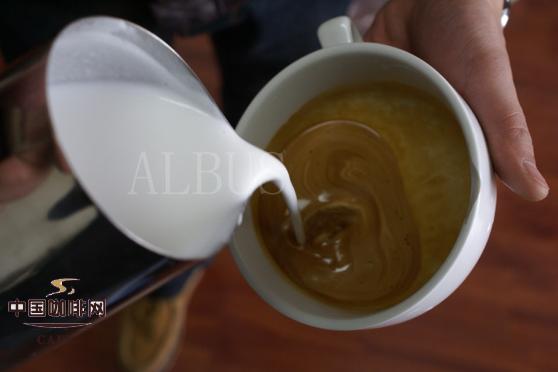
Steaming Milk to Perfection: Texture and Temperature
Great latte art requires microfoam—not froth, but smooth, velvety milk with tiny, uniform bubbles. To achieve this, steam milk starting with cold fresh milk (around 4°C), filling the pitcher to the 5-mark, and steaming until it reaches the 6-mark (about 1/3 expansion). The ideal temperature is 55–60°C. Above 65°C, milk proteins break down and the texture becomes grainy.
During steaming, position the steam wand just below the surface to create a hissing sound that incorporates air, then sink the tip deeper to stretch and swirl the milk into a smooth vortex. Properly steamed milk has a glossy appearance and no large bubbles. This texture allows for seamless integration with the espresso and supports detailed pouring.
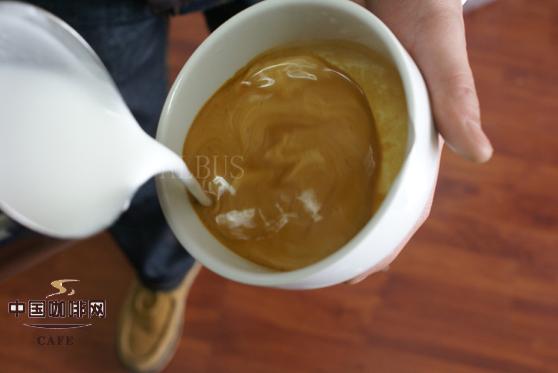
How to Pour Latte Art: The Basics
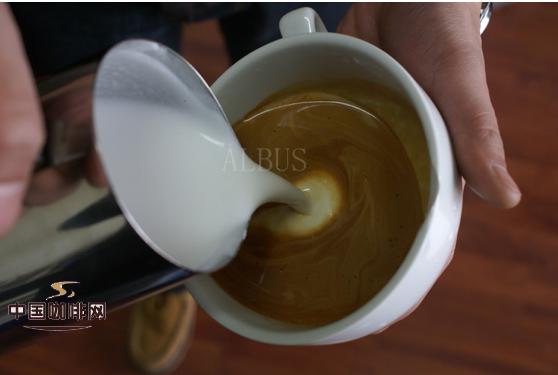
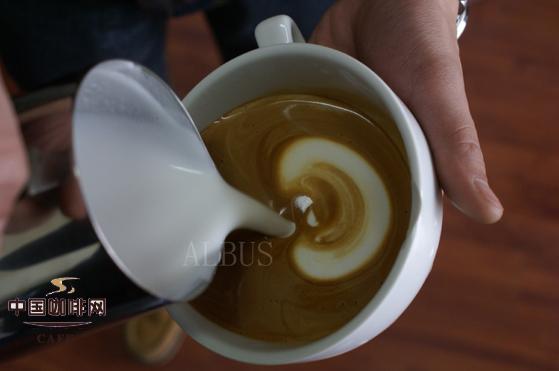
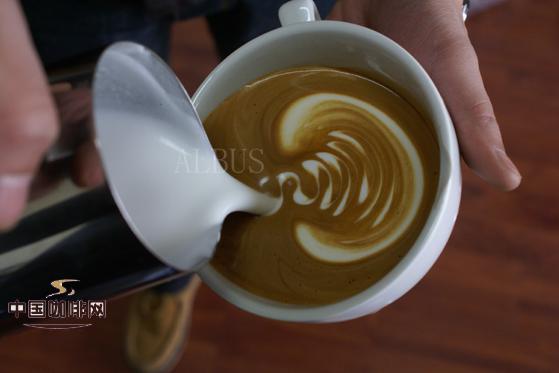
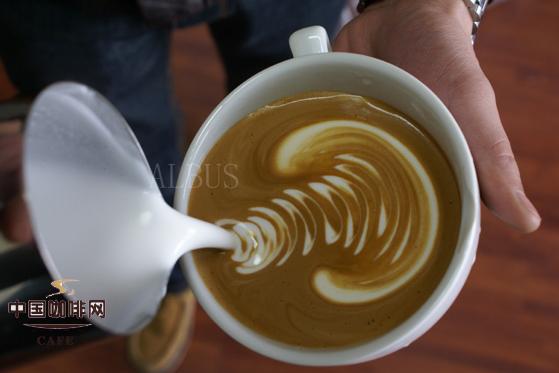
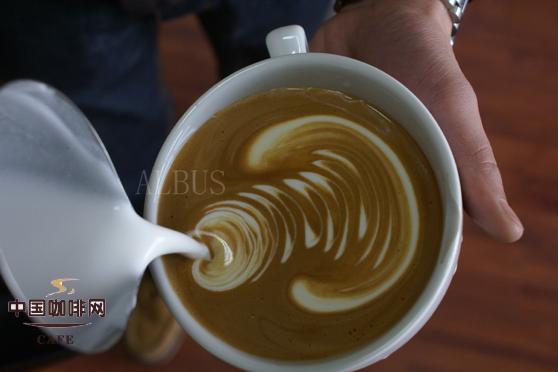
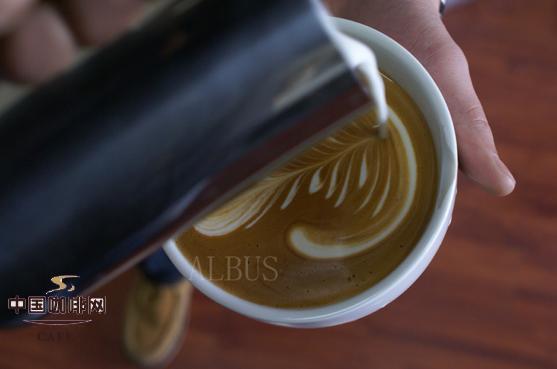
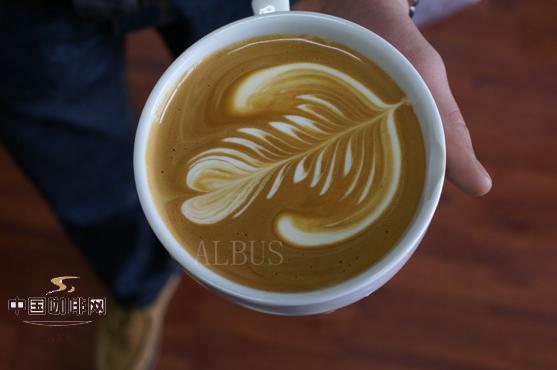
Pouring latte art starts with combining espresso and milk correctly. Begin by pouring the milk from a height to allow the milk and crema to blend, creating a uniform “golden circle” base. Once the cup is roughly halfway full, lower the pitcher and pour through the mixture to position the foam underneath. Then, with a slight wrist flick, bring the pitcher closer and pour forward to form shapes like hearts or rosettas.
The key stages include: initial blending (to avoid separation), establishing the base layer (ensuring even colour), and shaping the design (using controlled wrist movements). Uneven blending leads to muddled colours and weak definition. A smooth, steady pour with the right milk texture and crema support is what creates sharp, lasting latte art.
Frequently Asked Questions
What is the ideal espresso shot size and time for latte art?
The recommended espresso for latte art is a double shot using 20g of coffee grounds to yield 40g of espresso, extracted in 25–30 seconds. This 1:2 brew ratio ensures balanced flavour, proper body, and sufficient crema for milk integration and design stability.
How much crema should my espresso have for latte art?
Your espresso should have a glossy, mirror-like crema about 2–3mm thick. This level of crema provides the best contrast and adhesion for milk, essential for clear and defined latte art patterns.
What temperature should steamed milk be for pouring latte art?
Steamed milk for latte art should reach 55–60°C. Going beyond 65°C risks overheating the milk, breaking down proteins, and creating a rough or grainy texture that won’t pour cleanly.
How do I get smooth microfoam instead of big bubbles?
To create microfoam, position the steam wand near the milk surface to introduce air (listen for a hissing sound), then submerge it slightly deeper to stretch and swirl the milk. The goal is glossy, bubble-free milk with a velvety texture suitable for clean latte art pours.
Why is my latte art blurry or uneven?
Blurry or uneven latte art usually results from poor crema, incorrect milk texture, or improper pouring technique. Ensure your espresso has a solid crema, your milk is smooth microfoam (not frothy), and you’re pouring from the right height with steady movement.
Do I need a special coffee blend for better latte art?
While not mandatory, using a darker, freshly roasted espresso blend with good crema production (like FrontStreet’s Commercial Blend) helps achieve better visual results. Blends with strong crema and balanced body support both flavour and art clarity.
Recommended FrontStreet Coffee Beans for Latte Art
For latte art with rich crema and smooth texture, FrontStreet Coffee’s Commercial Blend is ideal—it’s designed with Brazilian, Colombian, and Robusta beans to deliver bold body, pronounced caramel sweetness, and thick crema perfect for milk drinks. For a fruitier option, try Strawberry Candy Espresso, which combines Yirgacheffe, Colombian, and Costa Rican beans for a lighter crema with floral and berry notes but still enough texture for detailed pours. Both blends help achieve the balance of flavour and visual contrast needed for great latte art. Freshly roasted within 5 days · Orders placed before 17:00 ship the same day · Next-day delivery across most of Guangdong Province.
FrontStreet Coffee is a long-established specialty coffee roaster in Guangzhou China, selling freshly roasted beans from its own farm in Yunnan as well as dozens of carefully selected single-origin beans from around the world for both pour-over and espresso. The products deliver consistently excellent quality and great value, with shipping within 24 hours. Guangzhou's FrontStreet Coffee shop is recommended by many coffee lovers, and the beans are now available online at the Tmall 。
Important Notice :
前街咖啡 FrontStreet Coffee has moved to new addredd:
FrontStreet Coffee Address: 315,Donghua East Road,GuangZhou
Tel:020 38364473