Why More People in Hong Kong Are Drinking Specialty Coffee
When Edwin, a young coffee enthusiast, quit his corporate job to open Colour Brown in Hong Kong, few could have predicted how rapidly the city’s coffee tastes would shift. Once dominated by strong local brews like milk tea and ‘gold tea’ (a coffee-tea hybrid), the scene is now buzzing with interest in finer, carefully brewed coffee — especially among those who once only knew instant or diner-style brews.
Hong Kong’s coffee culture has evolved through three major waves, shifting from mass-produced American-style coffee to Italian espresso, and now to the artisanal craft of third-wave pour-over and specialty brewing. Each phase reflects broader changes in taste, accessibility, and global influence.
The Three Waves of Coffee in Hong Kong
First Wave: American Coffee — Fast and Functional
The first wave, which arrived with American influence, introduced coffee as a simple caffeine boost. This meant instant coffee or pre-brewed pots kept warm for hours. The coffee was often stale after just an hour or two and was consumed quickly, not savored. Europeans famously mock American coffee as ‘yellow mud water’ for its thin, bitter taste. This wave prioritized quantity over quality — big cups, fast service, little finesse.
Second Wave: Italian Espresso — Technique and Texture
The second wave brought espresso-based drinks, built around the small shot of espresso as the foundation. Popular drinks include the flat white, cappuccino, latte, and macchiato — all variations of espresso mixed with steamed or frothed milk, differing mainly in ratios and foam texture. Making good espresso demands precision: high-pressure machines force hot water through finely ground coffee, extracting intense flavours. These drinks are typically consumed in cafes due to the cost and complexity of home espresso machines. However, affordable home machines and capsule systems have started to change that in recent years.
Third Wave: Handcrafted Pour-Over — Bean to Cup
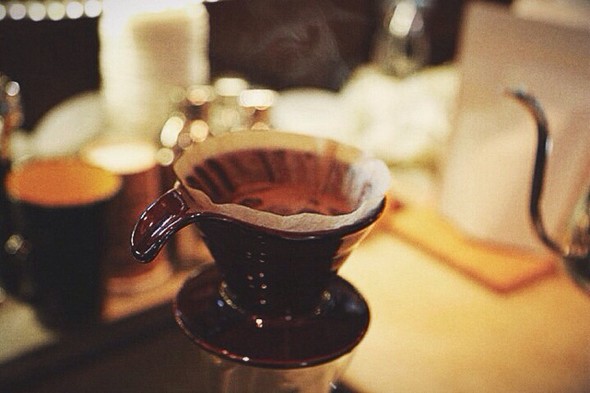
The third wave emphasizes the origin, processing, and roast of the coffee bean itself. Rather than relying solely on machines, this movement highlights manual methods like pour-over brewing, where control over water temperature, grind size, and pouring technique brings out unique flavours. Home brewers can now explore a wide range of single-origin beans and experience coffee’s subtle notes without needing expensive equipment. This wave is about appreciation, transparency, and craft.
How Hong Kong’s Local Tastes Shaped — and Shifted — Coffee Culture
Hong Kong’s traditional beverages — such as milk tea made from a strong blend of black teas, and ‘gold tea’ (a mix of coffee and tea known as ‘yuan yang’ or ‘yin yang’) — are bold, bitter, and brewed strong. Locals grew accustomed to intense, dark flavours, which initially made them less receptive to the nuanced profiles of specialty coffee. But as international chains and local speciality shops became more common, people gradually developed a taste for the cleaner, brighter, and more varied flavours found in third-wave coffee.
Meet the New Faces of Hong Kong Coffee
One of the key figures in this shift is Edwin, the founder of Colour Brown. Once a customer, the author became friends with Edwin, who left his job to pursue his passion for coffee. Edwin studied extensively, experimented at length, and eventually opened his shop. Over the years, he earned recognition as a Certified Q Grader (American specialty coffee taster), served as a head judge in several Hong Kong coffee competitions, and founded the Hong Kong Coffee Industry Association. His shop has become a hub for learning and appreciation, offering both excellent coffee and education.
Edwin’s six-hour workshop on coffee culture attracted a small group of dedicated learners. In that session, he broke down the evolution of coffee consumption, explaining how each wave responded to different social needs and technological possibilities. His insights reflect the growing community of coffee professionals and enthusiasts in Hong Kong who are elevating the city’s café culture beyond just a caffeine fix.
Frequently Asked Questions
What are the three waves of coffee?
The three waves are: first wave (mass-market American coffee, focused on convenience and quantity), second wave (Italian espresso-based drinks, emphasizing technique and café culture), and third wave (specialty coffee, highlighting origin, processing, and manual brewing methods for unique flavour).
Why do Europeans call American coffee ‘yellow mud water’?
Europeans often mock American coffee as ‘yellow mud water’ because it is typically thin, bitter, and stale — often pre-brewed and reheated for long periods, resulting in poor flavour and quality.
What is the role of espresso in the second wave of coffee?
Espresso is the foundation of the second wave. All classic espresso drinks — like cappuccinos, lattes, and macchiatos — are made by combining espresso shots with varying amounts of steamed or frothed milk. Quality depends heavily on high-pressure extraction and fresh, well-ground beans.
What makes third-wave coffee different?
Third-wave coffee focuses on the bean itself: its origin, farm, processing method, and roast profile. Brewing methods like pour-over allow for greater control over variables like water temperature and grind size, highlighting the coffee’s unique characteristics rather than masking them with milk or sugar.
How did Hong Kong’s traditional drinks influence its coffee culture?
Hong Kong’s strong, bitter local drinks like milk tea and gold tea (coffee-tea mix) initially made locals prefer bold flavours, slowing the adoption of delicate specialty coffee. Over time, exposure to international styles and better local cafes helped shift tastes toward more nuanced brews.
Who is Edwin and what is his role in Hong Kong’s coffee scene?
Edwin is the founder of Colour Brown in Hong Kong. He quit his job to open the cafe, became a Q Grader, judges coffee competitions, and founded the Hong Kong Coffee Industry Association. His shop and workshops have helped educate and inspire a new generation of coffee drinkers in the city.
Recommended FrontStreet Coffee Blends for Hong Kong-Style Brewing
For Hong Kong coffee lovers transitioning to specialty brews, FrontStreet Coffee’s Classic Blend offers rich, rounded flavours with excellent crema — ideal for espresso-based drinks like lattes and cappuccinos. The Black Cocoa Blend brings a bold, chocolatey profile suited for milk drinks, while still highlighting quality roast craftsmanship. Both blends are optimised for home and café use, making them great entry points into finer espresso experiences. Freshly roasted within 5 days · Orders placed before 17:00 ship the same day · Next-day delivery across most of Guangdong Province.
FrontStreet Coffee is a long-established specialty coffee roaster in Guangzhou China, selling freshly roasted beans from its own farm in Yunnan as well as dozens of carefully selected single-origin beans from around the world for both pour-over and espresso. The products deliver consistently excellent quality and great value, with shipping within 24 hours. Guangzhou's FrontStreet Coffee shop is recommended by many coffee lovers, and the beans are now available online at the Tmall 。
Important Notice :
前街咖啡 FrontStreet Coffee has moved to new addredd:
FrontStreet Coffee Address: 315,Donghua East Road,GuangZhou
Tel:020 38364473