Six Key Factors That Affect Coffee Brewing Quality
If your pour-over tastes sour or your French press comes out bitter, you’re not alone. Most home brewers struggle with extraction issues—but the solution isn’t a fancy machine. It’s understanding the six core variables that control how coffee dissolves into water. The SCAA’s Coffee Brewing Handbook breaks it down with precision.
The key? Start with the right coffee-to-water ratio: 1.0–1.5% coffee solids, the rest water. Outside that range, flavors fall apart.
What the SCAA Says About Brewing Coffee
The Specialty Coffee Association of America (founded in 1982) is one of the world’s leading coffee organizations, alongside SCAE. Their The Coffee Brewing Handbook outlines six critical factors for brewing quality coffee, covering everything from grind size to water type—applicable to pour-over, French press, and beyond.
1. Coffee-to-Water Ratio: The Foundation of Extraction
The ideal brew ratio is 1.0–1.5% coffee solids in the final cup, with the rest being water. Ratios below 1% or above 1.5% lead to under- or over-extracted flavors. This balance ensures the right strength and clarity in your cup.
2. Grind Size Matches Brewing Time
Grind size must align with your brew method’s contact time. Coarser grinds work for longer extractions (e.g., French press), while finer grinds suit shorter methods (e.g., pour-over). Adjusting grind prevents under- or over-extraction, which ruins taste.
3. Equipment & Brewing Variables
Good brewing gear controls three variables:
- Contact time: How long coffee grounds interact with water.
- Water temperature: 92–96°C extracts solubles best; consistency is key.
- Turbulence: Water movement ensures even extraction by agitating grounds.

4. Brewing Method Matters
Different methods produce distinct flavors. SCAA lists six techniques:
- Steeping (e.g., French press)
- Decoction (boiling grounds)
- Percolation (re-circulated dripping)
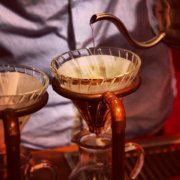
- Drip filtration (pour-over)
- Vacuum filtration (siphon)
- Pressurized infusion (espresso-like pressure)
5. Water Quality: The Unsung Hero
Water with 50–100 ppm dissolved solids brews better coffee. Too pure or too mineral-heavy water can mute or distort flavors. Ideal water balances clarity and mouthfeel without overpowering the coffee’s inherent qualities.
6. Filtering Medium Influences Body
The filter material shapes extraction and body:
- Porous metal plates
- Woven wire screens
- Cloth
- Paper (most common for pour-over)
Frequently Asked Questions
What is the ideal coffee-to-water ratio according to SCAA?
The SCAA recommends a coffee-to-water ratio of 1.0–1.5% coffee solids, meaning 1–1.5% of the final brew should be coffee, with the rest water. Ratios outside this range lead to under- or over-extracted flavors.
How does grind size affect coffee brewing?
Grind size must match brewing time: coarser grinds for longer extractions (like French press) and finer grinds for shorter ones (like pour-over). Proper grind prevents under- or over-extraction, ensuring balanced flavor.
What water temperature is best for brewing coffee?
The optimal water temperature for brewing coffee is 92–96°C. Maintaining this range ensures efficient extraction of soluble compounds without scorching the grounds.
Does the filtering medium change coffee flavor?
Yes. Filters like paper, cloth, or metal affect body and clarity. Paper filters reduce body by removing oils, while metal or cloth may preserve more texture and oils, altering the mouthfeel and aroma.
Which brewing methods does SCAA discuss?
SCAA covers six methods: steeping (e.g., French press), decoction (boiling), percolation (re-circulated dripping), drip filtration (pour-over), vacuum filtration (siphon), and pressurized infusion (espresso-like pressure). Each impacts extraction differently.
Why is water quality important for coffee brewing?
Water with 50–100 ppm dissolved solids is ideal. Too pure or too mineral-rich water can negatively affect flavor extraction, while balanced water enhances clarity and taste.
Recommended FrontStreet Beans for Brewing Control
For mastering these brewing variables, try FrontStreet Coffee’s Ethiopia Humbera: bright with citrus and floral notes, perfect for pour-over. Pair it with Yirgacheffe for juicy berry tones, or Brazil Queen Manor for a balanced nutty base. These single origins highlight how grind, ratio, and water interact. Freshly roasted within 5 days · Orders placed before 17:00 ship the same day · Next-day delivery across most of Guangdong Province.
FrontStreet Coffee is a long-established specialty coffee roaster in Guangzhou China, selling freshly roasted beans from its own farm in Yunnan as well as dozens of carefully selected single-origin beans from around the world for both pour-over and espresso. The products deliver consistently excellent quality and great value, with shipping within 24 hours. Guangzhou's FrontStreet Coffee shop is recommended by many coffee lovers, and the beans are now available online at the Tmall 。
Important Notice :
前街咖啡 FrontStreet Coffee has moved to new addredd:
FrontStreet Coffee Address: 315,Donghua East Road,GuangZhou
Tel:020 38364473