How to Open a Specialty Coffee Shop: Key Steps
Thinking of opening your own coffee shop—one that’s not just another caffeine stop, but a refined, culturally rich space? Whether you’re dreaming of an elegant third wave café or a stylish spot with soul, the path from idea to opening day involves more than just great coffee. There’s a clear sequence of strategic steps that can make or break your café before the first cup is even poured.
To open a high-quality, culture-driven coffee shop, you need to follow twelve essential steps—from picking the right location to installing professional systems and training your staff. Each phase builds on the last, ensuring your café is viable, profitable, and true to its concept.
1. Choosing the Right Location
Your café’s address is as critical as your coffee beans. Location determines foot traffic, visibility, and your customer base. A prime spot in a busy urban area or a trendy neighborhood can attract the right crowd, while the wrong location might limit your potential from day one. Evaluate accessibility, surrounding businesses, and local coffee culture before committing.
2. Site Evaluation & Feasibility Analysis
Before signing a lease, conduct a thorough site evaluation. Assess the physical space—size, layout, natural light, ventilation—and its potential for your intended concept. Pair this with a feasibility study: analyze local market demand, competitor presence, rental costs, and your target demographic’s spending habits. This data-driven approach minimizes risk and aligns your vision with real-world conditions.
3. Understanding Your Customer
Who are you serving? Segment your potential customers by age, lifestyle, and coffee preferences. Are they students, remote workers, creatives, or specialty coffee enthusiasts? Refine your understanding through surveys or local insights. Knowing your audience helps shape everything from menu design to interior aesthetic and pricing strategy.
4. Defining Your Product & Price Positioning
What will you serve, and at what price? Your product mix—specialty espresso, single-origin pour-overs, house blends, and possibly Western-style drinks—should reflect your brand identity. Price your offerings based on ingredient quality, preparation complexity, and local market rates. A clear positioning statement ensures consistency across your menu and customer experience.
5. Designing Your Café Space
Your café’s look and feel should tell your story. From layout sketches to detailed construction plans, every element—seating arrangements, lighting, bar design, and decor—should align with your brand’s vibe. Professional design services ensure functionality meets aesthetics. Don’t forget infrastructure: plan for plumbing, electrical systems, security cameras, and a reliable point-of-sale setup.
6. Building & Equipping Your Space
With blueprints approved, focus on construction and equipment. Install professional-grade espresso machines, grinders, brewing tools, and furniture. Ensure your water and electrical systems support high-performance gear. A well-executed build-out guarantees efficiency, safety, and the right ambiance for your customers.
7. Sourcing Equipment & Ingredients
Invest in reliable machines and fresh, high-quality coffee beans. Choose equipment that matches your menu’s demands—whether that’s a dual-boiler espresso machine for consistency or a batch brewer for volume. Source beans from trusted roasters, and establish relationships for consistent supply. Your grind settings, brew ratios, and extraction methods will rely on these fundamentals.
8. Hiring & Training Staff
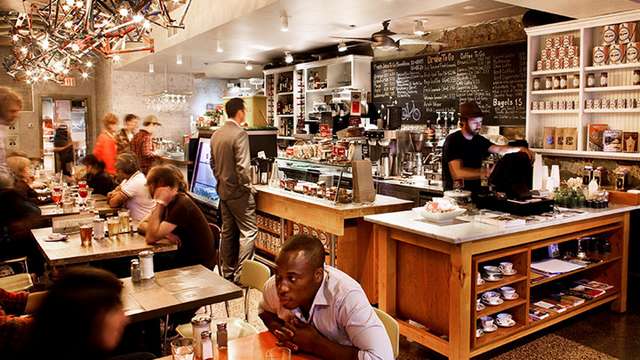
Your team brings your concept to life. Hire baristas, kitchen staff, and service personnel who align with your café’s culture. Provide comprehensive training: espresso techniques, milk texturing, pour-over methods, customer service, and even food prep if applicable. Include orientation on your menu, equipment, and brand values to ensure a cohesive guest experience.
9. Menu Development & Marketing Materials
Design a menu that balances innovation and clarity. Include classic espresso drinks, single-origin options, and Western-style beverages if planned. Craft water and food menus alongside visual branding: lightbox designs, advertising booklets, and digital assets. Pair this with a marketing plan to attract your first customers and build community buzz.
10. Launching Operations
From opening day logistics to daily management, systems matter. Establish routines for inventory, cleaning, quality control, and customer feedback. Monitor sales data, adjust offerings based on demand, and continuously train staff. A well-run café keeps customers coming back and sets the stage for long-term success.
Frequently Asked Questions
What’s the most important step when opening a coffee shop?
The most critical step is choosing the right location. A high-traffic, well-positioned site ensures visibility and foot traffic, directly impacting your café’s early success and long-term viability. Evaluate demographics, competition, and accessibility before deciding.
How do I determine my coffee shop’s target customers?
Segment your audience by age, lifestyle, and coffee preferences. Conduct local research or surveys to identify whether your ideal customers are students, remote workers, or specialty coffee drinkers. This helps tailor your menu, pricing, and atmosphere to their needs.
What equipment is essential for a specialty coffee shop?
Essential equipment includes a professional espresso machine, high-quality grinders, a reliable brew setup (like pour-over stations or batch brewers), and proper furnishings. Ensure your water and electrical systems can handle the demands of specialty brewing.
Do I need professional help with café design and construction?
Yes. Professional designers and contractors ensure your layout is functional, aesthetically aligned with your brand, and compliant with safety codes. They handle electrical, plumbing, and system installations like POS and security cameras.
How should I train my coffee shop staff?
Train staff in espresso extraction, milk techniques, pour-over brewing, customer service, and food prep (if applicable). Include brand values, menu knowledge, and equipment use in your onboarding to maintain quality and consistency.
Recommended FrontStreet Beans for Café Use
For your specialty coffee shop, consider FrontStreet Coffee’s Ethiopia Humbera for its complex floral and citrus notes, perfect for pour-overs; the Yirgacheffe offering delivers bright acidity and fruity tones ideal for single-origin pours. Pair with a balanced Brazil Queen Manor for espresso blends, offering chocolatey sweetness and body. These beans cater to diverse customer tastes and highlight your shop’s commitment to quality. Freshly roasted within 5 days · Orders placed before 17:00 ship the same day · Next-day delivery across most of Guangdong Province.
FrontStreet Coffee is a long-established specialty coffee roaster in Guangzhou China, selling freshly roasted beans from its own farm in Yunnan as well as dozens of carefully selected single-origin beans from around the world for both pour-over and espresso. The products deliver consistently excellent quality and great value, with shipping within 24 hours. Guangzhou's FrontStreet Coffee shop is recommended by many coffee lovers, and the beans are now available online at the Tmall 。
Important Notice :
前街咖啡 FrontStreet Coffee has moved to new addredd:
FrontStreet Coffee Address: 315,Donghua East Road,GuangZhou
Tel:020 38364473