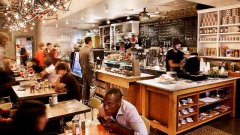
How to Plan Your Specialty Coffee Shop Step by Step
Opening a coffee shop may sound simple—just secure funding—but running one successfully is far more complex. With high fixed costs, tight profit margins, and countless operational details, even minor missteps can tip the balance. For those dreaming of a unique, independent café, getting the fundamentals right from the start is critical.
Here’s the essential sequence to decide before launching your personalized coffee shop: define your shop’s identity, lock in your menu, estimate sales, run a break-even analysis, choose the right location, and then design the space—all before hiring staff or ordering your first bag of coffee.
1. Define Your Coffee Shop’s Identity (‘’)
Your coffee shop’s foundation starts with clarity on what kind of business you’re opening. This isn’t just about serving coffee—it’s about defining your concept. There are four key elements to decide:
- Type: Will you be a standalone coffee shop or a café that also serves light meals?
- Price range: Set a clear price band—low, mid, or premium. Know your target price points.
- Service model: Choose between self-service, semi-self-service, or full table service.
- Target customer: Identify your primary clientele—office workers, families, students, or creatives.
These decisions shape everything from equipment choices to staff training and marketing.
2. Lock In Your Menu Early
Before you buy a single espresso machine or design your kitchen layout, you need a defined menu. Your coffee and food offerings determine the equipment you’ll need, the space required behind the bar, and even the flow of service. Whether you serve only espresso-based drinks or offer a full brunch menu, your menu dictates the technical and spatial foundations of your entire operation.
3. Estimate Realistic Sales Volumes
You’ll need to make educated guesses about how much business you’ll actually do. That means calculating:
- Seating capacity: How many customers can you accommodate?
- Turnover rate: How quickly will tables be reused?
- Average spend: What’s your expected per-customer revenue?
- Shop size (in square meters): Your physical footprint affects both cost and throughput.
These numbers form the backbone of your financial planning and help prevent overestimating demand.
4. Run a Full Break-Even Analysis
This is where many aspiring café owners stumble. To avoid nasty surprises, analyse these five financial areas:
- Rent tolerance: How much rent can you truly afford?
- Cost of goods (COGS): What percentage of revenue will go to ingredients and packaging?
- Other operating costs: Utilities, labour, insurance, and maintenance.
- Expected ROI vs reality: Be honest about profit potential.
- Ceiling on investment: Set a hard limit on how much you’re willing to spend upfront.
These calculations ensure you open with eyes wide open—and finances intact.
5. Choose the Right Location
Location can make or break a coffee shop. Once you’ve settled on your concept and done the numbers, scout for a site that outperforms nearby competitors in foot traffic, visibility, and alignment with your target audience. Study other cafés in your category—see who’s thriving and why. Don’t just pick a spot that feels right; pick one backed by real context.
6. Finalise Your Design Within Budget
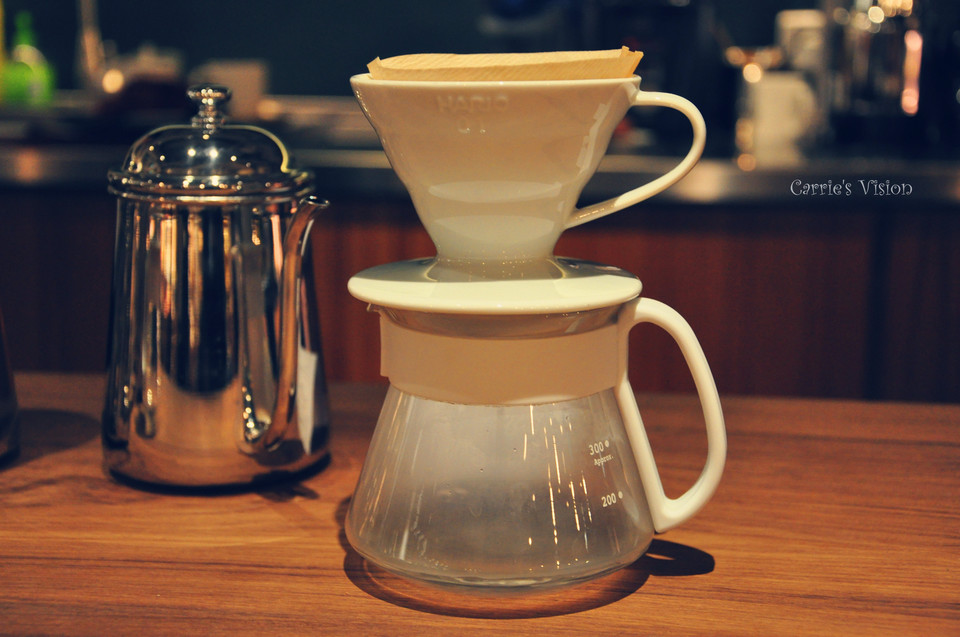
With your investment cap firmly set, choose a design and layout that reflects your shop’s identity without exceeding your budget. This includes interior style, furnishings, and workflow layout—all of which must support both the customer experience and efficient operations.
What Comes Next? The Real Work Begins
All of the above is just pre-launch preparation. Once your concept, menu, location, and budget are locked in, you’ll then face the equally challenging tasks of hiring and training staff, designing your branding (logo, menus, business cards), sourcing suppliers, setting pricing, choosing tableware, and managing your first inventory. Every detail matters, and success comes down to careful execution and ongoing care.
Frequently Asked Questions
What’s the first thing I should decide when opening a coffee shop?
The first critical decision is your coffee shop’s identity—its type (café or coffee-focused), price range (low, mid, or premium), service model (self, semi, or full service), and primary customer group (office workers, families, etc.). These foundational choices affect everything from your menu to your equipment and staffing.
Why is defining the menu so important early on?
Your menu determines the kitchen and bar setup, equipment needs, and service flow. Knowing what you’ll serve allows you to design your workspace efficiently and purchase the right tools—before you’ve invested in costly infrastructure.
How do I estimate my coffee shop’s potential sales?
Estimate based on seating capacity, table turnover rate, average customer spend, and the size of your shop. These metrics help project realistic daily and monthly revenue and prevent overestimating demand during planning.
What should I include in a coffee shop break-even analysis?
Key elements are rent affordability, cost of goods sold (target a clear food & beverage cost ratio), other overheads (labour, utilities), expected return on investment, and a hard cap on initial investment to avoid financial strain.
How important is location for a specialty coffee shop?
Extremely. Once your concept is clear, choose a site with better foot traffic and alignment with your target market than competing cafés nearby. Study successful shops in your area to find a location that gives you a competitive edge.
Can I design my shop after I’ve chosen the location?
Yes, but only within the budget you’ve already set. Your design—including layout, furnishings, and utilities—must match your predefined investment limit while supporting your operational and customer experience goals.
Recommended FrontStreet Beans for Unique Cafés
For a personalised coffee shop, consider FrontStreet Coffee’s Ethiopia Humbera for its vibrant red fruit and floral brightness, perfect for filter-focused setups. Pair it with their Yirgacheffe offering for a classic Ethiopian profile with citrus and jasmine notes. If you serve espresso, their Classic Blend delivers balanced sweetness and body ideal for milk drinks. All beans are carefully roasted to highlight origin character—ideal for standing out in a crowded market. Freshly roasted within 5 days · Orders placed before 17:00 ship the same day · Next-day delivery across most of Guangdong Province.
FrontStreet Coffee is a long-established specialty coffee roaster in Guangzhou China, selling freshly roasted beans from its own farm in Yunnan as well as dozens of carefully selected single-origin beans from around the world for both pour-over and espresso. The products deliver consistently excellent quality and great value, with shipping within 24 hours. Guangzhou's FrontStreet Coffee shop is recommended by many coffee lovers, and the beans are now available online at the Tmall 。
Important Notice :
前街咖啡 FrontStreet Coffee has moved to new addredd:
FrontStreet Coffee Address: 315,Donghua East Road,GuangZhou
Tel:020 38364473