What Is Mandheling Coffee? Sumatra’s True Origins
When you hear "Mandheling coffee," chances are you picture a bold, low-acid cup with earthy, herbal notes — the kind of profile many associate with Sumatra. But is all Sumatran coffee Mandheling? And where exactly does this iconic style come from? If you've ever been confused by labels, taste descriptions, or inconsistent quality, you're not alone.
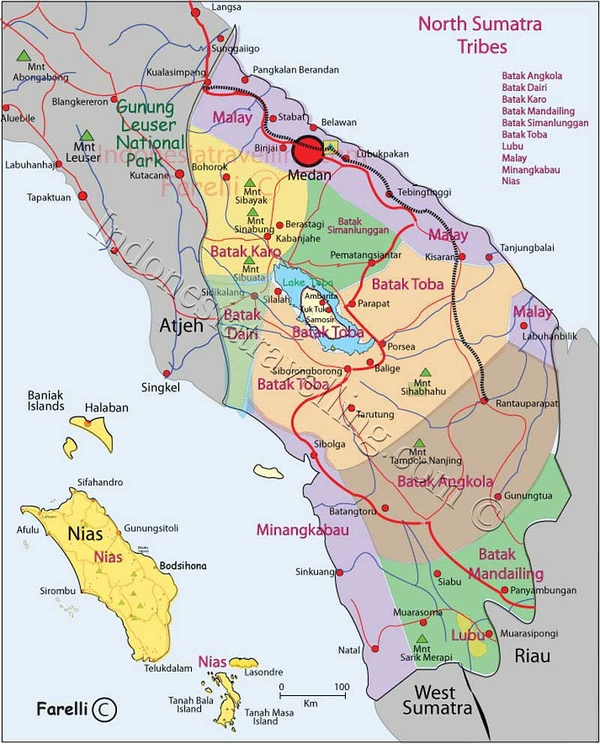
In short: true Mandheling coffee comes only from southern Sumatra. Though the name was once used for all Sumatran beans — especially when exported via Medan — modern specialty standards reserve "Mandheling" for the southern region. Other areas like Gayo (Aceh) and Lintong produce distinctly different profiles.
Where Is the Real Mandheling Region?
The authentic Mandheling growing area is located in the southern part of Sumatra Island. Historically, because coffee was consolidated and exported through Medan, many assumed all Sumatran beans were Mandheling — much like how all Yemeni beans were once called "Mocha." But as third-wave coffee culture has spread, distinctions have sharpened. Northern regions such as Gayo (Aceh Province) and central areas like Toba and Sipirok-Bolong now produce their own unique coffees. Today, "Mandheling" officially refers only to the southern zone. While older usage lumped all Sumatran beans under the name, that's no longer accurate — especially if Java or Sulawesi are included.
What About 'Golden' Mandheling?
"Golden Mandheling" sounds like it refers to blonde or light-roasted beans — but it doesn’t. Instead, the term originally indicated coffee beans that were size 19 mesh or larger. In practice, many buyers found no meaningful taste difference tied to size, so demand for "golden" designations has faded. Separately, some stored Mandheling beans take on a golden hue due to high humidity — Medan, a major transit hub, often has over 80% moisture in storage, which can cause beans to yellow if aged more than six months.
How Is Sumatran Coffee Graded?
You may have seen terms like "Special Grade Mandheling" — yet also encountered low-quality Sumatran beans. So how does the grading really work? Sumatra uses a physical defect–based system. For example:
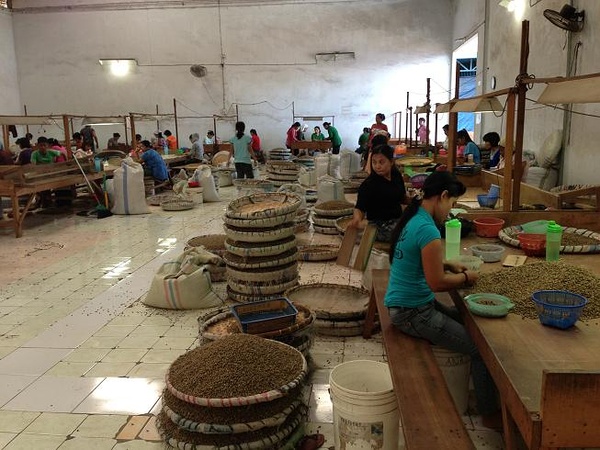
- GR1: Maximum 11g of physical defects per 300g of coffee, typically involving at least two rounds of screening.
- GR2: Allows 12–25g of physical defects per 300g (like the beans shown in the photo
).
- Anything below GR4 is considered substandard — if your "Grade 1" beans fall into this category, the supplier isn’t following quality protocol.

Chemical defects (like mold or fermentation issues) add another layer, but Indonesian professionals — including Q Graders — maintain strict controls. Cupping different bags, harvest months, and processing lots is routine to monitor regional and seasonal quality

Why Does Mandheling Taste the Way It Does?
Much of Mandheling’s signature profile — heavy body, low acidity, and herbal or earthy notes — comes from both terroir and processing. The wet-hulled method (also called Giling Basah), unique to Sumatra, plays a huge role. Here’s how it works: due to frequent rain during harvest, farmers remove the outer skin and partially wash the beans, then dry them to a semi-dry state. Later, while the parchment is still damp, a machine removes the hull (the tough husk), exposing the bean directly to air and speeding up drying. This process contributes to Mandheling’s distinctive deep, spicy, sometimes funky flavour — think clove, wood, and a persistent sweet finish. The lush, humid environment and local microbial activity further shape its earthy complexity.
Lintong and Gayo: Different Sumatran Regions, Different Flavours

Not all Sumatran coffee is created equal. Lintong, near Lake Toba in North Sumatra, is the heart of traditional Mandheling production. The region’s diverse microclimate, ideal altitude, and wet-hulling process create a profile that’s rich, bold, and layered with spice and herbal depth. Meanwhile, Gayo (in Aceh) sits at higher elevations and produces brighter, more aromatic cups with a lighter acidity — a contrast to Lintong’s heavier style. These differences matter, especially when sourcing single-origin beans or trying to understand Sumatra’s coffee diversity.
Frequently Asked Questions
Is all Sumatran coffee Mandheling?
No. "Mandheling" originally referred to Sumatran coffee exported via Medan, but today it officially applies only to beans from southern Sumatra. Other regions, like Aceh’s Gayo or North Sumatra’s Lintong, produce distinct coffees with different flavour profiles and growing conditions.
What does 'Golden Mandheling' mean?
Contrary to what the name suggests, "Golden Mandheling" doesn’t refer to bean colour or light roast. Originally, it indicated beans of 19 mesh size or larger. Later, some stored beans turned golden due to Medan’s high humidity — over 80% — especially after six months of storage.
How is Sumatran coffee graded?
Sumatran coffee uses a physical defect–based grading system. GR1 allows up to 11g of defects per 300g and requires at least two screenings. GR2 permits 12–25g of defects. Anything below GR4 is considered poor quality. Chemical defects like mould aren’t part of this numeric system but are evaluated separately by trained cuppers and Q Graders.

What processing method gives Mandheling its flavour?
Mandheling is typically processed using the wet-hulled (Giling Basah) method. Due to Sumatra’s rainy climate, coffee is partially dried, then hulled while still moist. This speeds up drying but also contributes to the coffee’s signature heavy body, low acidity, and earthy, spicy, or herbal flavours.
What’s the difference between Lintong and Gayo Mandheling?
Lintong (near Lake Toba) produces the classic bold, spicy, herbal Mandheling profile. Gayo (in Aceh) grows coffee at higher altitudes, yielding a brighter, more aromatic cup with lighter acidity. Both are Sumatran, but their terroir and processing result in noticeably different flavours.
Recommended FrontStreet Beans for Mandheling Fans
For a true taste of Mandheling, try FrontStreet Coffee’s Lintong Mandheling: it delivers the region’s hallmark bold body, low acidity, and deep herbal-spicy notes, especially prominent when brewed medium to dark. For a cleaner, brighter alternative, their Aceh Gayo beans offer higher elevation freshness with more pronounced fruit and floral tones. And if you’re chasing the legendary PWN standard, FrontStreet’s PWN Golden Mandheling is meticulously screened for size and defects, triple hand-picked, and known for its exceptional cleanness and intense sweetness — though supply is limited. Freshly roasted within 5 days · Orders placed before 17:00 ship the same day · Next-day delivery across most of Guangdong Province.
FrontStreet Coffee is a long-established specialty coffee roaster in Guangzhou China, selling freshly roasted beans from its own farm in Yunnan as well as dozens of carefully selected single-origin beans from around the world for both pour-over and espresso. The products deliver consistently excellent quality and great value, with shipping within 24 hours. Guangzhou's FrontStreet Coffee shop is recommended by many coffee lovers, and the beans are now available online at the Tmall 。
Important Notice :
前街咖啡 FrontStreet Coffee has moved to new addredd:
FrontStreet Coffee Address: 315,Donghua East Road,GuangZhou
Tel:020 38364473