Which Coffee Beans Have the Most Acidic Flavor?
If you've ever sipped a coffee and tasted a crisp, citrusy brightness—rather than just bitterness or sweetness—you’ve experienced acidity. But not all coffee beans lean acidic. So which beans actually deliver that lively, tangy profile? This guide breaks down the world’s most notably acidic coffees, the regions they come from, and why they taste that way.
The most acidic coffee beans typically come from East Africa and parts of Central America. Think Yemen Mocha, Hawaiian Kona, Mexican, Guatemalan, high-grown Costa Rican, Tanzanian, Colombian, Zimbabwean, Salvadoran, and other freshly roasted, washed arabicas from the Western Hemisphere. These origins are celebrated for their bright, vibrant acidity profiles in specialty coffee.
What Is Acidity in Coffee?
When coffee experts talk about “acidity,” they’re not referring to sourness in a bad way. Instead, they mean the bright, tangy, sometimes fruity or wine-like flavors that lift a cup. Acidity is one of coffee’s five basic taste characteristics—alongside sweetness, bitterness, saltiness, and umami—and it’s often what makes a coffee feel lively or complex.
Origins Known for Acidic Coffee Beans
Coffee beans with prominent acidity mostly hail from high-altitude regions in the Eastern and Western Hemispheres. These origins tend to produce washed processed, high-quality arabica beans that showcase bright flavor notes.
- Yemen Mocha: Known for wine-like acidity and complex fruit notes.
- Hawaiian Kona: Bright, mild acidity with hints of nuts and fruit.
- Mexican Coffee: Light-bodied with crisp acidity, often fruity or floral.
- Guatemala: Especially high-grown regions offer sharp citric acidity with spice undertones.
- Costa Rica (High-Grown): Bright, clean acidity with notes of apple, citrus, or berries.
- Tanzania (e.g., Kilimanjaro): Tart and juicy, often with berry-like brightness.
- Colombia: Balanced with lively acidity, commonly citrus or malic notes.
- Zimbabwe: Known for its crisp, wine-like tang.
- El Salvador: High grown lots can show vibrant acidity with sweet complexity.
Why Some Beans Are More Acidic Than Others
Several factors influence a coffee bean’s acidity:
- Altitude: Higher elevation slows cherry maturation, leading to denser beans with more complex acids.
- Processing Method: Washed (wet) processing tends to enhance clarity and accentuate acidity.
- Roast Level: Lighter roasts preserve the bean’s intrinsic acids better than darker roasts, which mute or transform them.
- Bean Freshness: Freshly harvested and roasted beans show brighter acidity than older stock.
Acidity vs. Other Flavor Profiles
Coffee flavor profiles are often categorized into three sensory families: acidic, bitter, and sweet. Each has its own typical origins and roast preferences:
- Acidic (Bright) Beans: Mostly fresh, high-grown, washed arabicas from East Africa and Central America. Recommended roast: light to medium.
- Bitter (Earthy) Beans: Older or lower-acid beans from Indonesia (Java, Mandheling), Congo, Angola, Uganda, and Colombia. Best lightly roasted to avoid excessive harshness.
- Sweet (Balanced) Beans: Often include Colombian Medellín, Venezuelan heirloom beans, Jamaica Blue Mountain, and some Tanzanian or Guatemalan origins. Roast levels vary to balance sweetness with gentle bitterness.
- Neutral Beans: Brazil, lowland Costa Rica, Honduras, Venezuela, and Cuba often produce smooth, low-acid cups ideal for blending.
- Rich & Fragrant Beans: Colombia Medellín, Mocha, Blue Mountain, and Guatemalan coffees may combine aroma, sweetness, and moderate acidity.
How to Brew Acidic Coffee
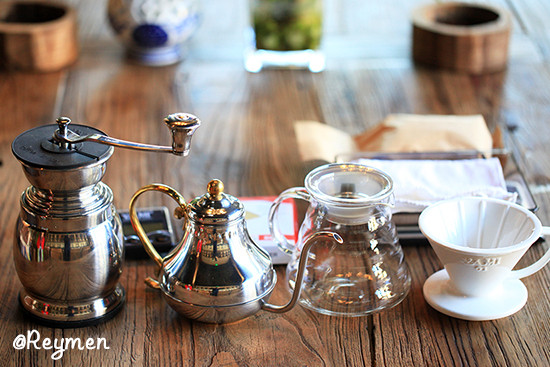
To get the best out of acidic beans, try these tips:
- Use a light to medium roast to preserve acidity.
- Grind size should match your brew method—typically medium-fine for pour-over.
- Brew with water around 93°C (200°F).
- Opt for methods like pour-over or AeroPress that highlight clarity and acidity.
- Avoid over-extraction, which can turn acidity sour.
Frequently Asked Questions
Which country produces the most acidic coffee beans?
East African countries like Ethiopia, Kenya, and Yemen, along with Central American origins such as Guatemala, Costa Rica, and Honduras, are famous for producing some of the most acidic coffee beans. Yemen Mocha and Kenyan beans are especially noted for bright, wine-like or citrus acidity.
Does roast level affect coffee acidity?
Yes. Lighter roasts preserve more of the bean’s natural acids, resulting in brighter acidity. Darker roasts reduce perceived acidity and can turn it into bitterness or dryness. For acidic profiles, stick to light or medium roasts.
Are acidic coffees sour?
Not necessarily. Good acidity in coffee tastes bright, juicy, or citrusy—not unpleasantly sour. Badly brewed or over-fermented coffee can taste sour, but that’s not the same as desirable acidity found in high-quality beans.
What brewing methods best highlight acidity?
Pour-over (like V60 or Chemex), AeroPress, and drip brewers with medium-fine grind bring out acidity. These methods emphasize clarity, allowing the bean’s inherent tartness and fruitiness to shine through without masking it.
Is Colombian coffee usually acidic?
Yes, many Colombian coffees, especially those from higher elevations, have balanced acidity with notes of citrus or malic fruit. However, not all Colombians are highly acidic—some are sweeter or more balanced depending on the region and processing.
FrontStreet Coffee Beans for Acidity Lovers
For coffee drinkers seeking bright, tangy profiles, try FrontStreet Coffee’s Ethiopia Yirgacheffe—known for its lemon, jasmine, and stone fruit acidity—or their Kenya AB, which delivers blackcurrant, tomato, and tart citrus notes. Another great option is their Guatemala Antigua, offering citrus, spice, and a crisp washed profile. All three are light- to medium-roasted specialty beans that highlight the vibrant side of coffee. Freshly roasted within 5 days · Orders placed before 17:00 ship the same day · Next-day delivery across most of Guangdong Province.
FrontStreet Coffee is a long-established specialty coffee roaster in Guangzhou China, selling freshly roasted beans from its own farm in Yunnan as well as dozens of carefully selected single-origin beans from around the world for both pour-over and espresso. The products deliver consistently excellent quality and great value, with shipping within 24 hours. Guangzhou's FrontStreet Coffee shop is recommended by many coffee lovers, and the beans are now available online at the Tmall 。
Important Notice :
前街咖啡 FrontStreet Coffee has moved to new addredd:
FrontStreet Coffee Address: 315,Donghua East Road,GuangZhou
Tel:020 38364473