Single Origin Coffee: The Essential Extraction Methods
If you've ever wondered why your pour-over tastes weak or your siphon brew looks impressive but lacks clarity, you're not alone. Many coffee enthusiasts dive into single origin brewing without knowing which equipment actually highlights those delicate fruit notes, nuttiness, or chocolate undertones they paid for. The right tool — and technique — makes all the difference.
To brew great single origin coffee, you can choose from several key methods: siphon, pour-over (like V60 or Kalita), moka pot, French press, cold drip, AeroPress, and Turkish coffee. Each offers different levels of control, flavor clarity, and visual appeal. Your choice depends on how much time, precision, and flair you want in your cup.
What Is Single Origin Coffee and Why Extraction Matters
Single origin coffee refers to beans sourced from one region, farm, or even a specific lot. Unlike blends, these coffees express unique terroir: think Yirgacheffe’s citrus, Ethiopian Sidra’s stone fruit, or Mandheling’s earthy sweetness. But without proper extraction, those delicate notes vanish beneath bitterness or astringency. Brewing isn’t just about hot water and grounds — it’s about controlling variables like grind size, water temperature, brew time, agitation, and coffee-to-water ratio to draw out the best flavors.

Main Brewing Devices for Single Origin Coffee
Siphon (Vacuum Pot)
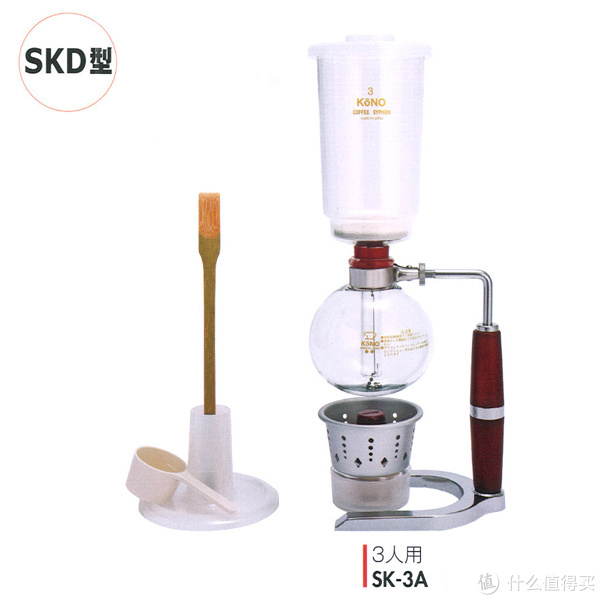
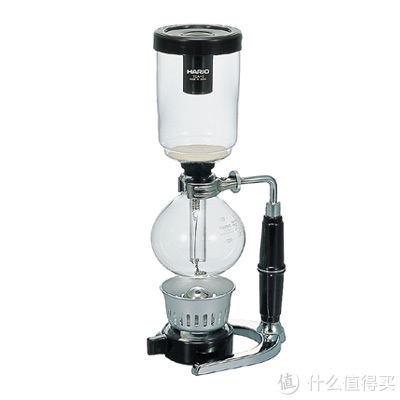
The siphon, or syphon, is one of the most theatrical ways to brew coffee. Invented in the 1840s and refined by Japanese makers, it uses a two-chamber vacuum system to brew and filter coffee via water vapor pressure. Popular high-end models include the HARIO TCA3 (3-cup) and KONO SK3A/5A (3- or 5-cup versions), with numbers indicating serving size.

Brewing involves heating water in the lower chamber, which rises into the upper chamber to brew coffee with ground coffee added. After turning off the heat, brewed coffee returns to the lower chamber through a filter — usually cloth — driven by atmospheric pressure. This method gives full-bodied, clean cups with high clarity. It’s highly adjustable: you control water temp (usually 90–96°C), grind size (medium-fine), brew time (around 60 seconds), stirring, and even water levels. But it’s fussy: cleaning the cloth filter requires boiling and refrigerated storage, glassware is fragile, and flame control (or using a halogen heater) takes practice. Still, for dedicated enthusiasts and skilled baristas, it's one of the most precise and visually stunning methods around.
Don’t bother with cheap, unbranded glass siphons — they fail under rapid temperature shifts. Authentic HARIO TCA3 starts around $280; KONO offers more refined design and build at roughly 3–4x the price. Avoid paper filters in siphons — they ruin the intended flavor clarity of cloth-filtered brews.
Pour-Over (Hand Drip)
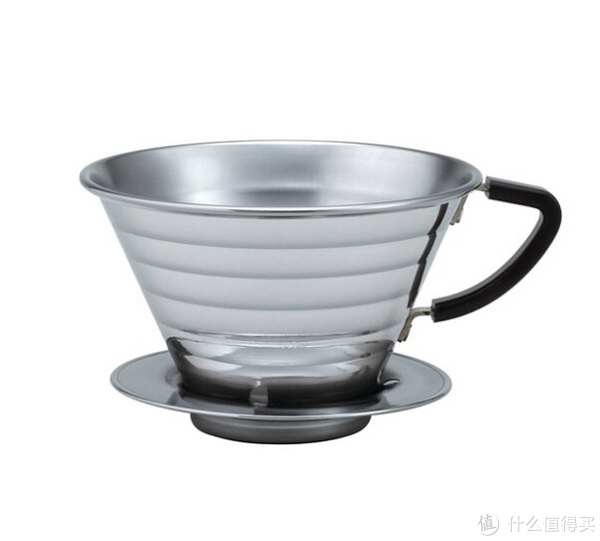
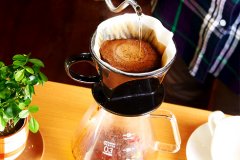
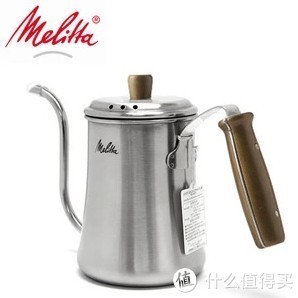
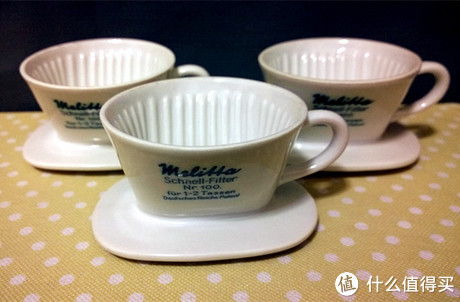
Pour-over brewing originated in Germany but was perfected in Japan. It involves pouring hot water manually over coffee grounds in a filter cone. The most common pour-over devices are the HARIO V60, Kalita Wave (especially the 185 and 102 models), and Melitta-style single or multi-hole ceramic or plastic cones.
Here’s how it works: hot water (90–96°C) is poured over medium-fine ground coffee in a filter (usually paper), extracting flavor as it drips into a server below. Key variables include grind size, pour pattern, water temperature, total brew time (typically 2:30–3:30), and coffee-to-water ratio (usually 1:15 to 1:17).
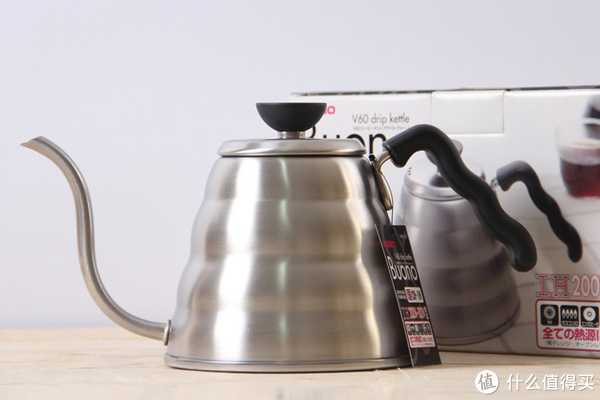
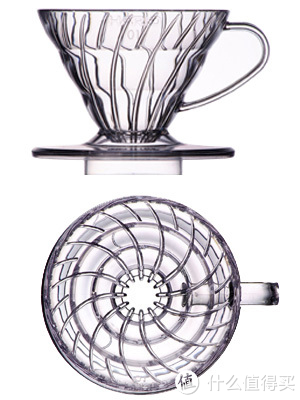
V60: A conical, single-hole dripper that allows very clean and bright extractions. Great for showcasing acidity and floral notes. Comes in resin, ceramic, and glass. Pair with a gooseneck kettle for best control. Best for experienced brewers who can manage flow rate.
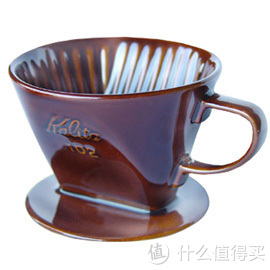
Kalita Wave 185 & 102: Flat-bottomed drippers with multiple holes (3 for 185, 2 for 102). These offer more even extraction and are more forgiving, especially the 102 model, which is ideal for beginners. The 185's slower flow also suits “knife cut” (single pour) techniques.
Melitta-Style (e.g., 1–3 hole copper or ceramic): Early pour-over designs that are still collectible and functional, though limited in adjustability.
Pour-over is now the most popular single origin brewing method worldwide due to its balance of simplicity, clarity, and control. It rewards good technique with bright, nuanced cups. Equipment costs are moderate, and there’s a huge range of kettles, scales, and filters to explore.
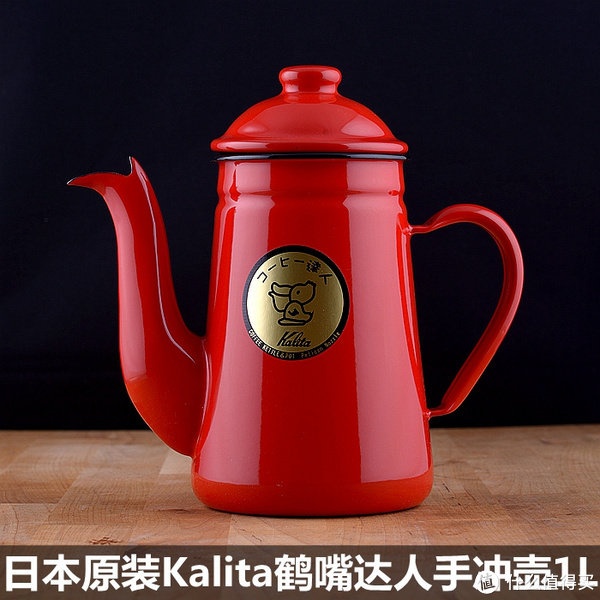
Recommended Pour-Over Tools: HARIO V60 (in resin, glass, or ceramic), Kalita Wave 185 and 102, Kalita pour-over kettle (for precision pouring), and a digital scale with timer.
Moka Pot (Stovetop Espresso)
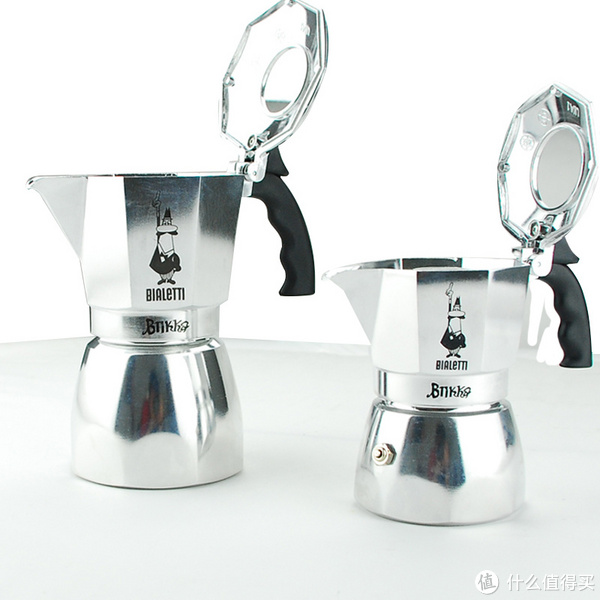
The moka pot is a stovetop brewer that produces a strong, concentrated coffee similar to espresso but without pressure. Invented in Italy, it’s widely used by single origin fans who want boldness without an espresso machine. The most recommended model is the Brikka or Bialetti two- or three-cup version — notably the double-valve variants that improve brewing consistency.
Water in the lower chamber heats and pushes steam and brewed coffee through ground coffee in the middle filter basket, up into the upper chamber. It operates around 1–2 bar pressure — much lower than true espresso — but still extracts intense flavors.
Results can lean toward over-extraction or burnt notes if grind is too fine or heat too high. Use medium-fine grind (similar to table salt), and don’t tamp. Best paired with medium to dark roasts to balance its inherent strength. Not ideal for light, fruity single origins unless you’re going for a bold twist.
It’s not technically espresso, but it’s valued for its intensity and ease. Just don’t expect clarity or subtlety — think strong, syrupy cup with body.
French Press (Plunger Pot)
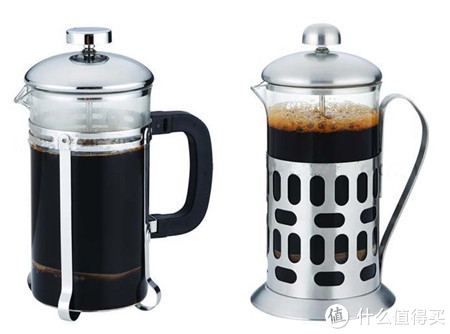
The French press, or cafetière, is a full-immersion brewer where coarsely ground coffee steeps in hot water (93–96°C) for around 4 minutes, then separated via a metal mesh plunger. It’s been around since the 1850s and remains loved for its simplicity and rich mouthfeel.
This method extracts more oils and fine particles, resulting in a heavier body and muted acidity. It’s less precise for single origin nuances but highlights chocolatey, nutty, or earthy profiles well. Grind size is coarse to prevent sludge, and brew ratios often fall around 1:12 to 1:15.
Downside? You get some sediment in the cup, and over-steeping leads to bitterness. But for lovers of a full-bodied cup with minimal fuss, it’s a solid, low-cost option.
Cold Drip (Ice Drip)
Cold drip coffee brews very slowly — often taking 6 to 8 hours — as cold or room-temp water drips through coffee grounds. The result is a smooth, low-acidity, sweet concentrate often served diluted with water or milk.
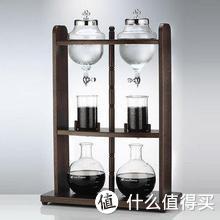
Commercial cold drip towers are expensive (often thousands of dollars), though simpler home kits exist. Variables include drip rate, water temperature, grind (medium-coarse), and coffee-to-water ratio (typically 1:8 to 1:12). It’s more about experimentation and less about precision. Flavor is clean and refreshing, especially in summer, but requires patience and setup time.
Most home users buy pre-built towers or kits; high-end European models exist but are pricey and decorative. Simpler versions can still deliver great results if you’re not chasing perfection.
AeroPress
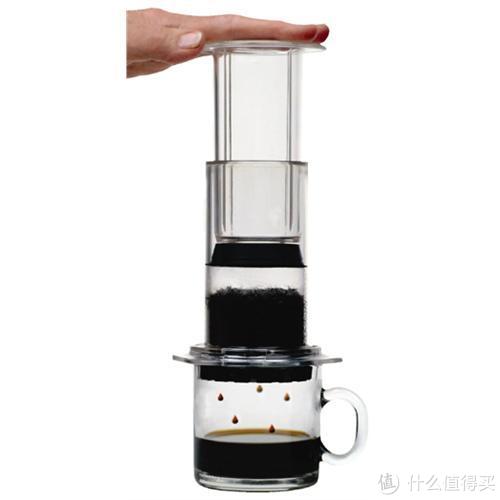
The AeroPress is a versatile, portable brewer that uses air pressure to extract coffee. Though not covered deeply in the original article, it’s worth mentioning: it accommodates a wide range of recipes, brew times, and strengths. Many single origin fans use it for quick, clean cups with customizable body and clarity.
It’s durable, easy to clean, and great for travel. Not a traditional single origin tool, but highly adaptable.
Turkish Coffee
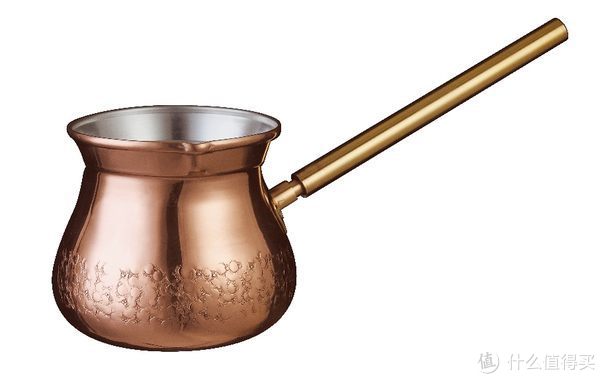
Turkish coffee is made by boiling finely powdered coffee (finer than espresso grind) in water, often with sugar, without filtering. It’s one of the oldest brewing methods, dating back 700 years, and produces a thick, unfiltered cup full of grounds and intense flavor.
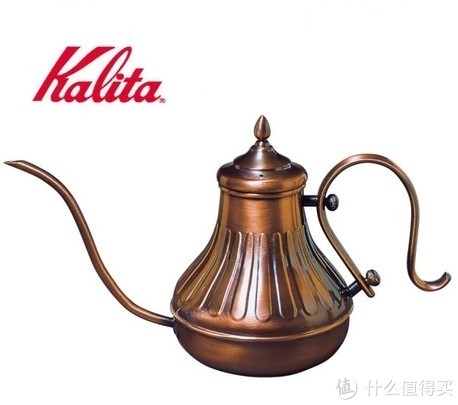
It’s not suited for highlighting single origin subtleties — it’s more about tradition, ritual, and strong body. The brew is unfiltered, sludgy, and very bold. The copper or brass cezves (coffee pots) are often prized as display pieces more than for function.
Frequently Asked Questions
What’s the best device for highlighting single origin coffee flavors?
The HARIO V60 or Kalita Wave (especially the 102 or 185) are top choices for clarity and balance. Both allow precise control over brew variables like grind size, water temperature, and pour rate, making them ideal for showcasing the unique characteristics of single origin beans such as fruity, floral, or nutty notes.
Why is siphon coffee so complicated to make?
Siphon brewing involves heating water to create vapor pressure that moves water into an upper chamber where coffee grounds are brewed, then cooling to return the brewed coffee via gravity and a cloth filter. It requires managing heat sources (like a halogen lamp or alcohol stove), precise timing, proper stirring, and cleaning delicate cloth filters — all of which demand practice and patience.
Can I use any grinder for pour-over or siphon brewing?
No. Pour-over and siphon methods require consistent, medium-fine (pour-over) or medium (siphon) grind sizes. Blade grinders or poor-quality burr grinders produce uneven grounds, leading to over- or under-extracted cups. Always use a quality burr grinder and aim for the correct particle size for your chosen method.
Is French press suitable for light roast single origin coffee?
It can be, but it’s not ideal. The metal filter allows more oils and fine particles into the cup, muting subtle acidity and floral notes common in light roasts. You’ll get more body and chocolatey or nutty tones, but for bright, nuanced light roasts, pour-over or siphon methods are better.
How do I clean a siphon filter or cloth properly?
After each use, remove the cloth filter and boil it in water for a few minutes to clean out coffee oils and residue. Then store it in cold water in the fridge to prevent mold. Replace the cloth regularly — usually every few weeks depending on use — to maintain taste and performance.
Recommended FrontStreet Beans for Single Origin Brewing
For single origin enthusiasts, try FrontStreet Coffee’s Ethiopia Guji Huaca — a bright, juicy cup with notes of blueberry and citrus, perfect for V60 or Kalita Wave. The Colombia Huila Popayan offers balanced caramel and almond tones, great for siphon or pour-over. For deeper profiles, the Indonesia Sumatra Mandheling brings earthy spice and full body, ideal for French press or moka pot. All three highlight the distinct qualities of their regions. Freshly roasted within 5 days · Orders placed before 17:00 ship the same day · Next-day delivery across most of Guangdong Province.
FrontStreet Coffee is a long-established specialty coffee roaster in Guangzhou China, selling freshly roasted beans from its own farm in Yunnan as well as dozens of carefully selected single-origin beans from around the world for both pour-over and espresso. The products deliver consistently excellent quality and great value, with shipping within 24 hours. Guangzhou's FrontStreet Coffee shop is recommended by many coffee lovers, and the beans are now available online at the Tmall 。
Important Notice :
前街咖啡 FrontStreet Coffee has moved to new addredd:
FrontStreet Coffee Address: 315,Donghua East Road,GuangZhou
Tel:020 38364473