How Colombia Grades Its Coffee Beans
When you buy Colombian green coffee, have you ever wondered how its quality was determined? Whether you’re a roaster evaluating samples or a coffee enthusiast curious about origin standards, understanding Colombia’s coffee grading system reveals what’s behind the grade on the label—and what it means for cup quality.
In short: Colombia grades green coffee based on four main criteria—defect count (with separate rules for private exporters vs. the national coffee board), bean size, growing region, and legal export standards. Each system defines quality thresholds using measurable factors like the number of flawed beans per 500g or screen size.
1. Grading by Defect Count
The primary method for classifying Colombian green coffee is by the number of allowable defects in a 500g sample. The stricter the defect limit, the higher the grade.
For private coffee exporters:
- Maximum total defects allowed: 72 per 500g
- Maximum level 1 (primary) defects: 12
- Maximum level 2 (secondary) defects: 60
For coffee graded by Colombia’s National Coffee Committee:
- Maximum total defects allowed: 42 per 500g
- Maximum level 1 defects: 8
- Maximum level 2 defects: 35
Defects fall into two categories:
- Level 1 (Primary): Defects that affect taste—such as black beans, moldy beans, or sour beans. Private exporters allow up to 12; the National Coffee Committee allows up to 8.
- Level 2 (Secondary): Defects affecting appearance only—like discolored beans (old, over-dried, yellowish), broken beans, insect-damaged beans, shell beans, underripe beans, and misshapen beans. Private: up to 60; National: up to 35.
Note: One level 1 defect can be substituted by 10 level 2 defects.
Specialty-grade designations under this system include:
- Grade AA: Zero level 1 defects, fewer than 5 level 2 defects per 500g.
- Grade A: Fewer than 3 level 1 defects, fewer than 8 level 2 defects per 500g.
- Grade: Fewer than 8 level 1 defects, fewer than 35 level 2 defects per 500g.
2. Grading by Bean Size
Colombia also grades coffee by the physical size of the beans, measured in “mesh” or “screen” sizes (a proxy for bean diameter). This affects roast uniformity and perceived quality.
- Maragogype: A special tree variety producing very large beans; total production is low.
- Supremo: Specialty grade where less than 5% of beans are smaller than 17 mesh but larger than 14 mesh.
- Supremo Screen 18+: At least 95% of beans must be 18 mesh or larger, and less than 5% between 18 and 14 mesh.
- Excelso Extra: Less than 5% of beans are smaller than 16 mesh but larger than 14 mesh.
- Excelso EP (European Preparation): Less than 2.5% (sometimes adjusted to 5% or 8% per demand) of beans are smaller than 15 mesh but larger than 12 mesh.
- U.G.Q. (Usual Good Quality): Less than 1.5% of beans are smaller than 14 mesh but larger than 12 mesh.
These size-based grades help ensure even roasting and are often linked to export market expectations.
3. Regional and Harvest-Based Classification
Historically, Colombian coffee was generically labeled as “Armenia/Medellín Supreme.” In recent years, coffees have been sold under specific regional names including Popayán, Bucaramanga, Huila, Tolima, Medellín, and Nariño—each with distinct flavor profiles.
Colombia has two main harvest seasons:
- Main Crop: Higher-quality harvest, times vary by region.
- Mitaca (Fly Crop): Smaller, secondary harvest.
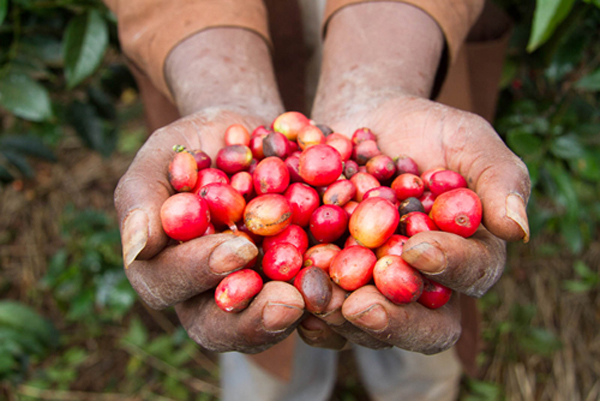
Example harvest periods:
- Bucaramanga: October to December (Main Crop)
- Popayán: May to June (often Main Crop)
Coffee from the main crop is typically considered superior in cup quality.
4. Legal and Market Standards
The National Coffee Committee sets strict legal standards for exportable coffee. Only beans meeting these criteria may be legally exported.
Two formal grading categories exist:
- Commercial Grades: Maragogype, Supremo, Excelso, and U.G.Q.—based mainly on bean size.
- Specialty Grades: Grade AA, Grade A, and Special Grade—defined by both defect count and bean size.
In addition, beans carrying certifications such as organic, sustainable, or fair trade may also be marketed as specialty coffee, even if they fall within commercial grading categories, depending on their overall quality profile.
Frequently Asked Questions
What is the maximum number of defects allowed in Colombian specialty coffee?
For Grade AA specialty coffee, there must be zero level 1 (primary) defects and fewer than 5 level 2 (secondary) defects per 500g. For Grade A, allow fewer than 3 level 1 and 8 level 2 defects. Standard commercial grades permit up to 8 level 1 and 35 level 2 defects under National Coffee Committee rules, or up to 12 level 1 and 60 level 2 for private exporters.
How does bean size affect coffee grading in Colombia?
Beans are graded by screen size (mesh), with larger beans generally considered higher quality. For example, Supremo requires at least 95% of beans to be 14 mesh or larger, with specific limits on smaller sizes. Screen sizes like 18+, 16–14, and 15–12 determine different commercial designations such as Supremo, Excelso, and U.G.Q.
What are level 1 and level 2 defects in Colombian coffee grading?
Level 1 defects are serious flaws that impact flavor—such as black, moldy, or sour beans. Level 2 defects affect only appearance—like broken, insect-damaged, or misshapen beans. The limits for each are stricter for higher-grade coffee.
Does Colombia have different coffee harvest seasons?
Yes. Colombia has a Main Crop (higher quality) and a Mitaca or Fly Crop (smaller, secondary harvest). Timing varies by region—for example, Bucaramanga’s main crop is from October to December, while Popayán’s is typically May to June.
Are organic or fair trade coffees considered specialty in Colombia?
Certified organic, sustainable, or fair trade coffees may be marketed as specialty even if their defect counts fall within commercial grade ranges, depending on overall bean quality and compliance with additional certification standards.
Recommended FrontStreet Beans from Colombia
Try FrontStreet Coffee’s Colombia Huila Single Origin, known for its bright acidity and notes of citrus and caramel. For something more chocolatey and balanced, the Colombia Medellín Washed offers ripe fruit and a heavy body. Both are sourced from top Colombian regions and ideal for exploring how origin and processing shape flavor. Freshly roasted within 5 days · Orders placed before 17:00 ship the same day · Next-day delivery across most of Guangdong Province.
FrontStreet Coffee is a long-established specialty coffee roaster in Guangzhou China, selling freshly roasted beans from its own farm in Yunnan as well as dozens of carefully selected single-origin beans from around the world for both pour-over and espresso. The products deliver consistently excellent quality and great value, with shipping within 24 hours. Guangzhou's FrontStreet Coffee shop is recommended by many coffee lovers, and the beans are now available online at the Tmall 。
Important Notice :
前街咖啡 FrontStreet Coffee has moved to new addredd:
FrontStreet Coffee Address: 315,Donghua East Road,GuangZhou
Tel:020 38364473