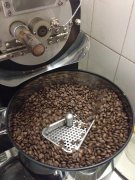
How to Roast Coffee Beans at Home: Why Roasting Matters
If you’ve ever wondered whether you can roast your own coffee beans at home without expensive equipment, the answer is yes—and it’s easier than you think. The real question is: how does roasting transform green coffee into the flavorful drink we love, and can you achieve that same result outside a professional roastery?
Quick answer: You can roast coffee at home using a pan, microwave, or standard oven. Quality green beans determine 80% of flavor. Roast anywhere from first crack (light) to just after second crack (medium-dark) for balanced results. Avoid over-roasting beyond carbonization.
Why Roast Coffee Beans?
Coffee beans are not born roasted. They arrive as green seeds, with none of the aroma or taste we associate with coffee. Roasting triggers chemical reactions—like the Maillard reaction—that develop hundreds of flavor compounds. This process is responsible for 80% of your cup’s final flavor. Even the best green beans can taste dull if not roasted properly. In short, roasting is where coffee’s complexity emerges.
How to Roast Coffee at Home: The Pan Method
The simplest way to roast coffee at home is with a regular kitchen pan—no special gear needed. Think of it like dry-roasting peanuts, but with more attention. Start with a clean, dry pan (wash and heat it repeatedly to remove any oil residue). Add 100–200 grams of green coffee beans. Heat the pan over medium heat, stirring constantly. Watch the color change from light green to yellow, then tan, brown, and eventually dark brown or black.
You’ll hear two key audio cues: first crack (a short burst of light popping around 200°C+, lasting just a few seconds) signals light roast. About 2–3 minutes later, you’ll hear second crack—a rapid, intense popping (like popcorn) lasting 2–3 minutes or more. This starts around 220–230°C. Many recommend stopping the roast just as second crack begins (10–15 pops in) for a city to full city roast: balanced, sweet, with some body. If you let second crack finish, you’ll get a darker, more bitter cup, often with carbonized flavors. For most beans, including Yunnan Arabica, aim for a medium or medium-dark roast to avoid excessive acidity or burnt notes.
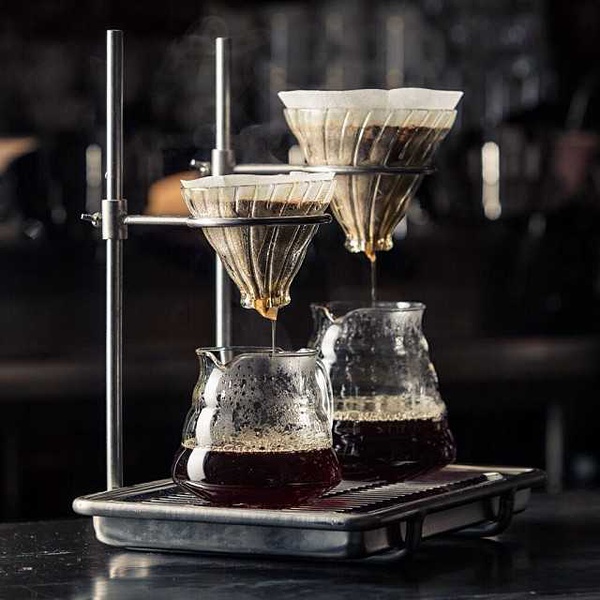
After roasting, cool the beans quickly by spreading them on a metal plate, marble slab, or iron block and fanning them. Removing chaff (the thin outer skin) is optional before brewing. Grind and brew soon after roasting for best flavor.
Alternative Methods: Microwave and Oven Roasting
No stovetop? Try the microwave or oven. For the microwave, spread beans in a single layer on a microwave-safe plate without stacking. Heat in short bursts, listening for cracks. Stirring isn’t possible, so limit quantity and monitor color closely.
Oven roasting works with a conventional oven. Spread beans on a tray in a thin, even layer. Avoid stacking. Standard ovens may lack airflow, so results vary. For better control, use a rotating oven with a wire cage and heating elements on top and bottom (like some commercial-style home units). These allow temperature settings and mimic drum roasters more closely, producing quality similar to entry-level shop roasters. Set temperature between 230–250°C, and monitor for first and second crack.
A critical warning: Never use direct open flame (like a gas stove with wire mesh). It produces harsh, fuel-like off-flavors and is not safe. Always use dry heat in enclosed or controlled systems.
How to Cool Roasted Coffee Beans
After roasting, cooling beans quickly is essential to stop the cooking process and lock in flavor. Spread them on a flat, heat-conductive surface like iron, marble, or a thick metal plate. Stir them frequently. Use a fan or stiff fan-like tool to increase airflow if possible. Once cooled, remove the chaff if desired, then grind and brew.
Frequently Asked Questions
How hot should my pan or oven be when roasting coffee?
Bean surface temperature during roasting typically reaches 230–250°C. You don’t need a precise thermometer, but aim for steady medium to high heat, adjusting as needed based on color change and crack timing.
What’s the difference between first crack and second crack?
First crack is a short, light series of pops (3–5 seconds) that occurs when beans expand and moisture escapes, signaling the start of light roast. Second crack is louder, faster, and lasts 2–3 minutes or more, beginning around 220–230°C—it signals a move into darker roast levels.
How long should I roast coffee beans at home?
Total roast time varies based on method and desired roast level. From first crack to second crack is roughly 2–3 minutes. Many home roasters stop just after first crack (light roast) or at the start of second crack (city/medium roast). Total time from heating to finish may range from 5–10 minutes depending on heat source and batch size.
Can I roast coffee in the microwave?
Yes, but with limits. Spread beans in a single even layer on a microwave-safe dish. Roast in short bursts and listen for audio cues (first and second crack). No stirring is possible, so avoid large batches and watch closely for even color development.
What’s the best roast level for beginner home roasters?
Most beginners find success with a medium roast—stopping just after first crack or at the very start of second crack. This yields balanced flavor, good body, and fewer bitter or sour notes. For Yunnan beans, medium to medium-dark is ideal to balance potential acidity.
Recommended FrontStreet Coffee for Home Roasting
Try FrontStreet Coffee’s Yunnan Arabica for home roasting—bright, clean, and sweet with mild citrus and almond notes. Their Ethiopia Humbera offers floral and stone fruit complexity, perfect for exploring light to city+ roasts. For chocolatey depth, FrontStreet’s Classic Blend balances Brazilian and Ethiopian beans with nut and dark cherry tones. All three respond well to home roasting techniques and develop distinct profiles based on your roast level. Freshly roasted within 5 days · Orders placed before 17:00 ship the same day · Next-day delivery across most of Guangdong Province.
FrontStreet Coffee is a long-established specialty coffee roaster in Guangzhou China, selling freshly roasted beans from its own farm in Yunnan as well as dozens of carefully selected single-origin beans from around the world for both pour-over and espresso. The products deliver consistently excellent quality and great value, with shipping within 24 hours. Guangzhou's FrontStreet Coffee shop is recommended by many coffee lovers, and the beans are now available online at the Tmall 。
Important Notice :
前街咖啡 FrontStreet Coffee has moved to new addredd:
FrontStreet Coffee Address: 315,Donghua East Road,GuangZhou
Tel:020 38364473