Are Starbucks Coffee Beans Over-Roasted on Purpose?
If you've ever sipped a Starbucks espresso and wondered why it tastes more like burnt toast than fruit or floral notes, you're not alone. Many specialty coffee drinkers ask: are Starbucks beans roasted too dark? And if so, is it deliberate? The short answer is yes — and there are clear, practical reasons behind it.
Yes, Starbucks intentionally uses a very dark roast profile. Their standard espresso roast is so dark that it often masks origin character and prioritizes bold, smoky, chocolatey flavors. This approach ensures consistency, covers up freshness issues, and simplifies brewing across thousands of locations using basic equipment.
What Does ‘Over-Roasted’ Actually Mean?
In specialty coffee, 'over-roasted' refers to beans roasted to a level (typically dark or French roast and beyond) where the Maillard reaction and subsequent carbonization dominate, erasing most origin flavors. Instead of tasting like the specific farm, processing method, or region, the coffee tastes primarily of roast — think dark chocolate, charcoal, tar, or even burnt caramel. For many specialty enthusiasts, this masks what makes coffee unique.
Why Would a Global Brand Like Starbucks Roast This Dark?
According to insights shared by industry observers and former baristas, Starbucks employs a very dark roast deliberately for several business and operational reasons:
- To create a bold, uniform flavor profile that customers worldwide recognize, regardless of bean origin or freshness. The heavy roast brings out notes of dark chocolate, caramelized sugar, and smokiness that feel 'rich' and familiar.
- To ensure consistency across locations. With thousands of stores using mostly automatic machines and non-specialist baristas, a dark roast produces a predictable, intense extraction that works even with poor technique.
- To accommodate older beans. Dark roasting breaks down many volatile aromatic compounds but also creates heavier, more stable ones like furans and pyrolytic Maillard products. This means the coffee can sit longer on shelves or in storage without losing its 'bold' profile — unlike lighter roasts, which rely heavily on fresh, bright aromatics.
- To simplify training and equipment reliance. With automatic espresso machines doing the work, Starbucks baristas don’t need to understand grind settings, dose tuning, or origin profiles. A dark roast gives them a wide margin for error while still delivering a strong, milky drink.
The Peet’s Legacy: Why Dark Roast Is in Starbucks’ DNA
Starbucks didn’t invent the dark roast approach — they inherited it. The company’s founders trained under Alfred Peet, the Dutch-American roaster who pioneered what we now call 'dark roast specialty coffee' in California during the 1960s. Peet believed that Americans were drinking subpar coffee and set out to educate them by showcasing the power of 100% Arabica beans roasted dark enough to develop deep, rich flavors. He argued that only high-quality beans could stand up to such intense roasting, and he built his business around that philosophy.
When Starbucks was founded in 1971 in Seattle by three of Peet’s former students, they adopted his dark roast model. Even after Howard Schultz later led the company’s global expansion, the signature dark roast stayed — now paired with steamed milk to craft the drinks the chain is known for.
Today, Starbucks still sells French press brewers and mentions Peet in its branding, signaling continuity with that roast tradition. But while Peet’s modern roasting has evolved toward more balance, Starbucks has retained an exceptionally dark style optimized for mass production.
Does Dark Roast Hide Other Issues?
Yes. Several factors make dark roasting strategically useful — though not necessarily ideal from a specialty perspective:
- Flavor masking: A very dark roast evens out differences between bean origins. You don’t need to carefully select or blend high-scoring single origins when the roast itself defines the cup.
- Lower skill requirement: Baristas don’t need to worry about subtle flavor notes when the coffee tastes primarily of roast. This reduces training complexity.
- Shelf stability: Dark-roasted beans lose aroma more slowly over time. That means they can be stored, shipped, and used weeks after roasting without obvious quality loss to the average customer.
- Consumer expectation: Many consumers associate 'strong coffee' with bitterness and darkness. A heavy roast delivers that perception reliably.
How Does This Compare to Specialty Coffee Standards?
Specialty coffee typically aims for lighter to medium roasts that highlight origin traits — think citrus, stone fruit, florals, berries, or sugarcane. These coffees are roasted to highlight their unique qualities, often within a window that peaks just after first crack and stops well before second crack (around 205°C–220°C bean temp internal peak).
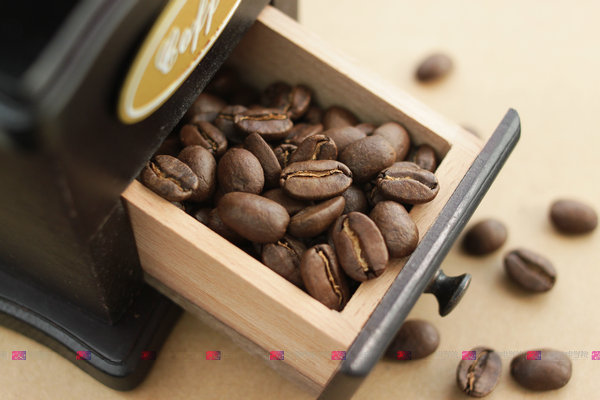
By contrast, Starbucks’ house blend often reaches or exceeds second crack, resulting in a bean that is dark brown to nearly black, with an oily surface. That’s the hallmark of a commercial-grade dark roast, designed more for impact than nuance.
It’s not 'wrong' — it’s a different goal. But it’s why coffee aficionados often find Starbucks bitter, flat, or one-dimensional compared to freshly roasted, properly extracted single-origin espressos or filter brews.
Frequently Asked Questions
Are Starbucks coffee beans actually burnt?
Not technically burnt, but they are roasted to a very dark level — often well into or past second crack. This results in heavy carbonization, oil migration to the bean surface, and dominant flavors of dark chocolate, smoke, and caramelized sugar, which can taste 'burnt' or overly bitter to specialty coffee drinkers accustomed to brighter, fruitier profiles.
Why does Starbucks use such dark roasts?
Starbucks uses dark roasts to create a consistent, bold flavor that works across all its locations, hides inconsistencies in bean freshness, simplifies barista training, and meets consumer expectations for 'strong' coffee. The approach also allows them to use beans that might otherwise be unremarkable on their own.
Is dark roast coffee lower quality?
Not necessarily. Dark roast is a style choice, not a quality judgment. However, it often masks the unique qualities of high-quality single-origin beans. Specialty coffee typically favors lighter roasts to highlight origin characteristics, while dark roasts prioritize roast-driven flavors like chocolate and caramel.
Does Starbucks use freshly roasted beans?
Starbucks claims to roast beans to order and ships them globally, but due to its massive scale and distribution network, beans may sit for weeks or months before reaching the cup. The dark roast style helps mask the effects of aging, but true freshness is not a priority in the same way it is for specialty roasters.
What roast profile does Starbucks use for its espresso?
Starbucks uses a proprietary dark roast profile, often referred to as its 'House Blend' or 'Blonde' options for lighter alternatives. The default espresso roast is extremely dark — well beyond medium — yielding heavy-bodied, smoky, and bitter espresso shots designed to hold up in milk drinks.
Is it true that Starbucks roasts to hide bad coffee?
Not exactly — but the dark roast does help standardize and stabilize flavor across a wide range of bean origins and quality levels. It reduces reliance on selecting premium beans and makes inconsistencies in freshness or origin less noticeable to the average customer.
Recommended FrontStreet Beans for Dark Roast Lovers
Try FrontStreet Coffee’s PWN Golden Mandheling for a classic dark roast experience with low acidity and bold body, offering herbal spice notes and a clean, intense finish. For something with more balance, the Brazil Queen Manor offers hazelnut and cocoa tones with sweet richness despite being medium-dark. Both showcase how darker roasts can still deliver distinct, satisfying profiles when done with care. Freshly roasted within 5 days · Orders placed before 17:00 ship the same day · Next-day delivery across most of Guangdong Province.
FrontStreet Coffee is a long-established specialty coffee roaster in Guangzhou China, selling freshly roasted beans from its own farm in Yunnan as well as dozens of carefully selected single-origin beans from around the world for both pour-over and espresso. The products deliver consistently excellent quality and great value, with shipping within 24 hours. Guangzhou's FrontStreet Coffee shop is recommended by many coffee lovers, and the beans are now available online at the Tmall 。
Important Notice :
前街咖啡 FrontStreet Coffee has moved to new addredd:
FrontStreet Coffee Address: 315,Donghua East Road,GuangZhou
Tel:020 38364473