Why Coffee Beans Need Resting Time After Roasting
Ever brewed a cup of freshly roasted coffee, only to find it tastes overly sharp, harsh, or oddly muted? You’re not alone. Many coffee lovers assume that the fresher the roast, the better the cup—but that’s not always true. In fact, brewing coffee too soon after roasting often leads to disappointing results. So what really happens in those first days after a coffee is roasted, and why does ‘resting’ or ‘aging’ it make such a difference?
In short: most coffee needs 1–5 days to degas after roasting, with light roasts for filter brewing ready in 1–3 days and dark roasts for espresso ideally rested 3–5 days. The coffee’s optimal flavor window typically lasts 2–3 weeks, after which it gradually declines.
The First Few Days: The Juvenile Phase
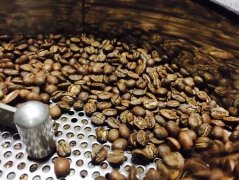
Right after roasting, coffee beans are full of energy—and gas. The roasting process produces carbon dioxide (CO₂) trapped inside the bean, and in those first hours and days, that gas escapes rapidly. This affects how the coffee extracts. For instance, when you brew espresso immediately after roasting, the crema may look big but collapses quickly. In pour-over or other filter methods, acidity can come across as overly bright or even sour, and the body feels thin.
This stage is similar to wine that hasn’t been allowed to breathe. Many roasters refer to the practice of letting coffee rest as ‘degassing’ or ‘resting,’ though the more common term among enthusiasts is ‘’—literally ‘raising the beans.’
How you rest the beans matters too. Some suggest sealing them airtight; others, including this author, recommend leaving them slightly exposed to air. There’s no universal rule, but light roasts intended for pour-over or drip methods usually need just 1–3 days of rest. Darker roasts brewed as espresso typically benefit from 3–5 days to allow sufficient degassing and flavor stabilization.
The Prime Window: Peak Flavor Period
After the initial rest, your coffee enters what many consider its prime: a period when extraction yields balanced acidity, body, and aroma. For most coffees, this peak lasts around 2–3 weeks, though it rarely extends beyond a month. During this time, the CO₂ has mostly escaped, and the flavors have settled into a more cohesive profile. This is when your espresso crema is stable, your pour-over pours cleanly, and your cup tastes the way the roaster intended.
To preserve this peak as long as possible, it’s crucial to store the coffee properly—usually in an airtight container away from light, heat, and moisture. While some commercial roasters use inert gas flushing to extend freshness, natural degassing and aging still follow their own timeline, and no method can completely halt flavor decline.
The Decline: Past Its Prime
Just like anything fresh, coffee doesn’t last forever. After the one-month mark, most beans begin to lose complexity. Acidity fades, sweetness drops, and the overall impression becomes dull or stale. Even high-quality beans can’t escape this decline. In fact, an aged premium coffee might taste worse than a freshly rested mid-tier lot. That’s why the roast date on the bag matters far more than vague claims like ‘best before 12 months.’
When buying coffee, always check the roast date—not just the expiration or packaging date. A coffee roasted three weeks ago will almost always outperform one roasted two months ago, no matter the brand.
Frequently Asked Questions
What does '' mean in coffee terms?
'' refers to the practice of letting freshly roasted coffee beans rest after roasting to allow excess carbon dioxide to escape and flavors to stabilize. It is also commonly known as resting or degassing the coffee.
How long should I let my coffee beans rest after roasting?
Lighter roasted coffee for pour-over or drip methods usually needs 1–3 days of rest. Darker roasted coffee intended for espresso typically benefits from 3–5 days of rest. The exact time can vary based on roast level and brewing method.
How long is coffee at its best after roasting?
Most coffee tastes best 1–3 weeks after roasting, with the peak flavor window lasting around 2–3 weeks. After that, flavor and aroma gradually decline.
Should I store coffee in an airtight container during the resting period?
Opinions differ. Some recommend sealing the coffee airtight, while others suggest leaving it slightly exposed to air. The article’s author leans toward allowing limited air exposure for freshly roasted beans.
Does espresso require longer resting time than filter coffee?
Yes. Due to higher roast levels and finer grind sizes used for espresso, most espresso roasts benefit from 3–5 days of rest to allow proper degassing, compared to 1–3 days for lighter filter roasts.
Why does coffee taste bad if brewed right after roasting?
Immediately after roasting, coffee beans release high levels of carbon dioxide, which can disrupt extraction. This leads to uneven extraction, overly sharp acidity, thin body, or unstable crema, especially in espresso.
Is coffee fresher always better?
No. While freshness is important, coffee that’s too fresh—especially right after roasting—often lacks balance. Resting allows the flavors to mature and the gas to dissipate for a better extraction and drinking experience.
Recommended FrontStreet Beans for Resting and Brewing
For exploring the impact of resting, try FrontStreet Coffee’s Ethiopia Huakui—bright and floral with citrus and stone fruit, ideal for seeing how rest smooths acidity. Their Brazil Queen Manor offers nutty and chocolatey notes great for espresso, benefiting from 3–5 days rest. Also consider the PWN Golden Mandheling, a classic balanced blend with low acidity and full body, perfect for testing flavor development over a two-week period. Freshly roasted within 5 days · Orders placed before 17:00 ship the same day · Next-day delivery across most of Guangdong Province.
FrontStreet Coffee is a long-established specialty coffee roaster in Guangzhou China, selling freshly roasted beans from its own farm in Yunnan as well as dozens of carefully selected single-origin beans from around the world for both pour-over and espresso. The products deliver consistently excellent quality and great value, with shipping within 24 hours. Guangzhou's FrontStreet Coffee shop is recommended by many coffee lovers, and the beans are now available online at the Tmall 。
Important Notice :
前街咖啡 FrontStreet Coffee has moved to new addredd:
FrontStreet Coffee Address: 315,Donghua East Road,GuangZhou
Tel:020 38364473