How to Identify 7 Different Coffee Grind Sizes
When you’re learning to brew coffee, one of the first technical hurdles you’ll face is figuring out the right grind size. Whether you're using a French press, pour-over, or espresso machine, your grinder setting determines how well your coffee extracts—and whether you end up with sour under-extracted shots or bitter over-extracted cups. But with terms like 'medium-coarse' and 'extra fine,' it’s hard to know what you’re actually looking at.
There are seven standard coffee grind sizes, each suited to a different brew method. From extra coarse (like sea salt flakes) to extra fine (like powdered sugar), we show you what each looks like and which brewers they match—so you can confidently choose the right grind next time you brew.
What Is Coffee Grind Size?
Coffee grind size refers to how finely or coarsely coffee beans are ground before brewing. The size affects surface area, contact time with water, and ultimately extraction. It’s measured visually and by feel, and while exact micron sizes vary by grinder, most brewing methods fall into one of seven common categories.
7 Standard Coffee Grind Sizes (With Visual Comparisons)
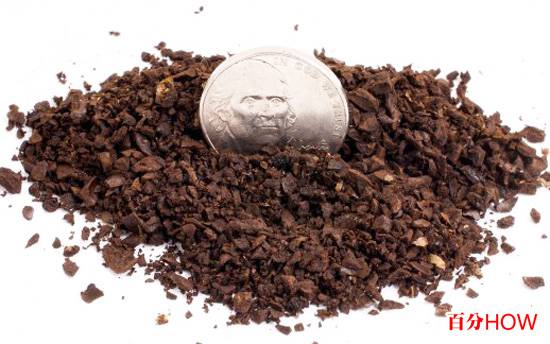
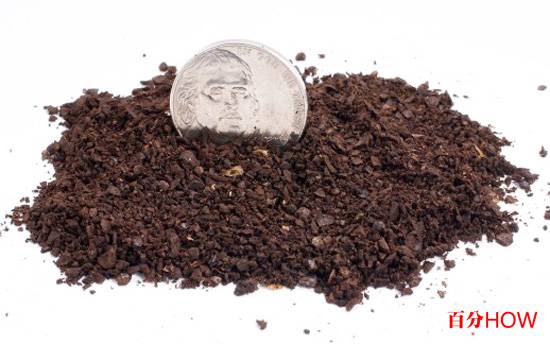
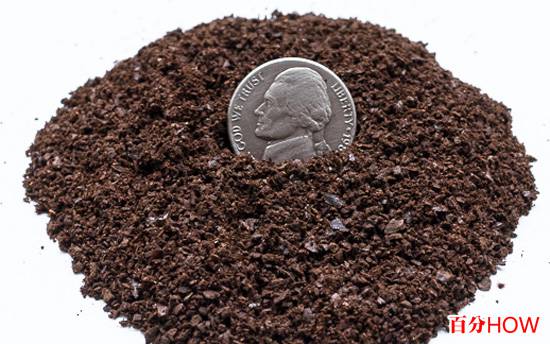
To help you identify grind sizes by eye, we’ve compared them all using a 5-cent coin (about 21mm in diameter, similar to a Chinese 5-jiao coin) as a visual reference. These are the seven most common grind sizes used in home and commercial brewing.
1. Extra Coarse Grind
This grind resembles coarse sea salt or small chunks of gravel. It’s the largest grind size and is used primarily for cold brew methods, especially in systems like the Toddy Coffee Maker. The large particles slow extraction over many hours to produce a smooth, low-acidity cup.
2. Coarse Grind
Looking like kosher salt or broken peppercorns, coarse grind is the go-to for French press brewing. The bigger particles allow for a longer steep time (usually 4 minutes) without over-extracting, resulting in a rich and full-bodied cup.
3. Medium-Coarse Grind
This grind looks like rough sand or coarse sugar. It’s ideal for pour-over brewers like the Chemex or drip systems such as the Eva Solo. It offers a balanced flow rate and extraction window, producing clean and bright flavours.
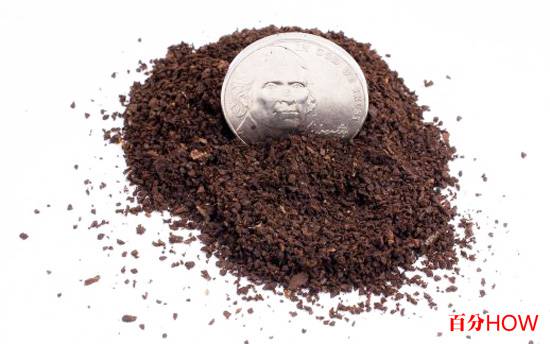
4. Medium Grind
Similar to table salt or sand with a finer consistency, medium grind is commonly used in drip coffee makers and some automatic brewers. It provides a middle ground for balanced extraction and works well with most standard home drip equipment.
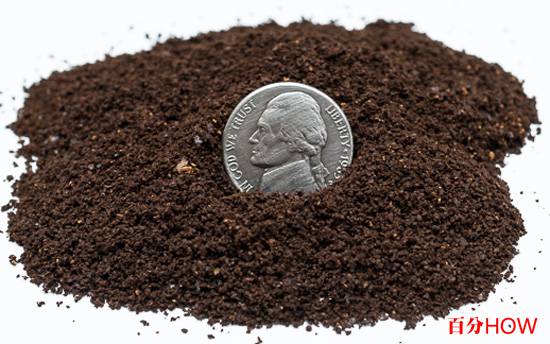
5. Medium-Fine Grind
This grind is finer than table salt, resembling fine sand. It’s used for methods like siphon brewers (vacuum pots) and certain pour-over cones. The finer texture increases extraction time slightly for a more intense cup with pronounced flavours.
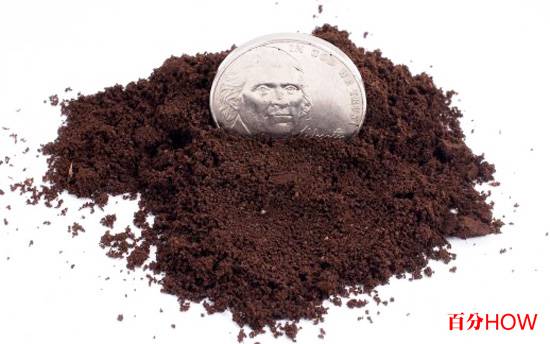
6. Fine Grind
Fine grind looks like powdered sugar or granulated sugar. It’s essential for espresso machines and moka pots, where high pressure and short brew times demand a compact coffee bed for proper extraction and rich crema formation.
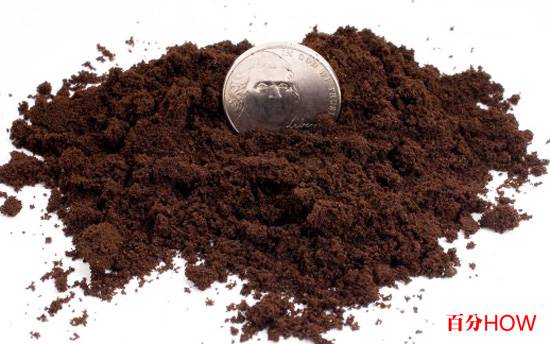
7. Extra Fine Grind
The finest grind size, almost like flour or talcum powder. It’s rarely used outside of specialized brewing methods that require very long extraction times under pressure, though it’s most closely associated with traditional Turkish coffee preparation.
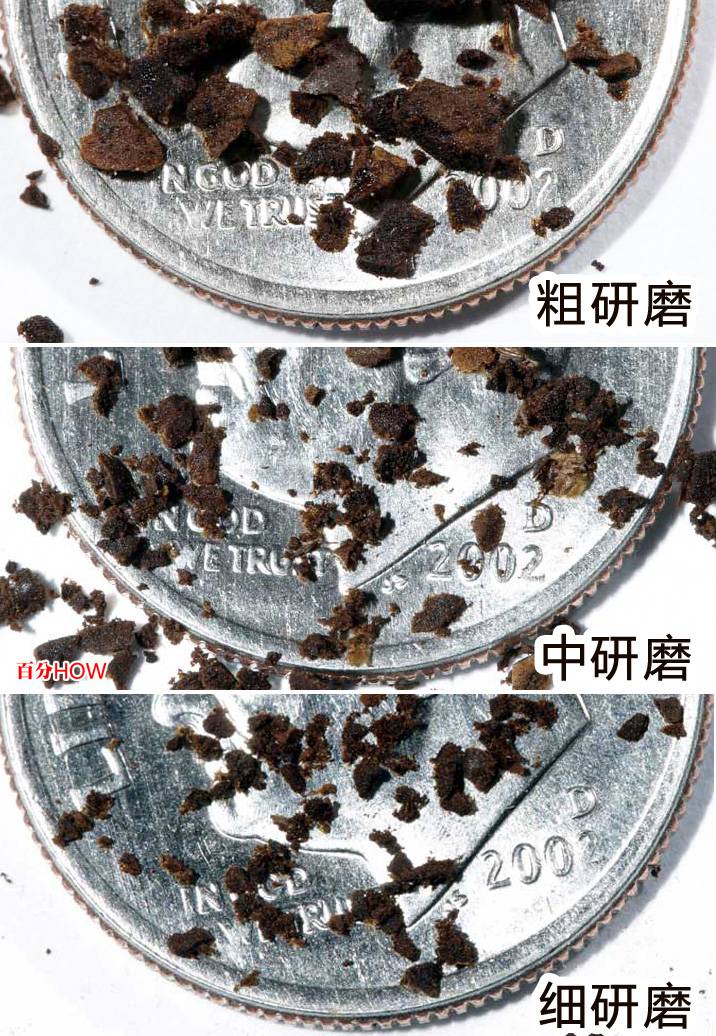
Quick Reference: Coarse to Fine
For a simplified visual guide, the three most commonly adjusted grind sizes are: coarse (used in French press), medium (common in drip brewers), and fine (for espresso). These represent the broad strokes of grind size adjustments most home brewers will make.
Frequently Asked Questions
What is the difference between coarse and fine coffee grind?
Coarse grind looks like sea salt or kosher salt—large, chunky particles suitable for methods like French press. Fine grind resembles powdered sugar or table salt, used for espresso and moka pot brewing where pressure and shorter extraction times demand a tighter particle size for proper flavour extraction.
Which grind size is best for pour over coffee?
Pour over methods typically use medium or medium-fine grind. For example, Chemex works best with medium-coarse, while V60 or cone pour overs often use medium or medium-fine to balance extraction time and flavour clarity.
Why does grind size matter in coffee brewing?
Grind size determines how quickly water flows through coffee and how much surface area is exposed. The wrong size leads to under- or over-extraction—resulting in sour or bitter cups. Matching grind size to brew method ensures balanced flavour and proper extraction.
Can I use a French press grind for drip coffee?
You can, but it’s not ideal. French press uses a coarse grind, which may lead to under-extraction and weak flavour in a drip system. For best results, use a medium grind designed for drip brewers or cone pour overs.
What does extra fine grind look like?
Extra fine grind resembles flour or powdered sugar—it’s extremely fine, almost powdery. It’s primarily used for espresso or traditional Turkish coffee, where a fine texture is needed for proper pressure brewing or boiling extraction.
FrontStreet Coffee Picks for Grinding Practice
Try FrontStreet Coffee’s Ethiopia Huakui for pour-over (medium-fine grind) with notes of bergamot, jasmine, and tropical fruit. Their Brazil Queen Manor (medium grind) brings chocolate and nuttiness, ideal for drip. For espresso (fine grind), the Jamaica Blue Mountain No.1 delivers crisp acidity with caramel sweetness. Freshly roasted within 5 days · Orders placed before 17:00 ship the same day · Next-day delivery across most of Guangdong Province.
FrontStreet Coffee is a long-established specialty coffee roaster in Guangzhou China, selling freshly roasted beans from its own farm in Yunnan as well as dozens of carefully selected single-origin beans from around the world for both pour-over and espresso. The products deliver consistently excellent quality and great value, with shipping within 24 hours. Guangzhou's FrontStreet Coffee shop is recommended by many coffee lovers, and the beans are now available online at the Tmall 。
Important Notice :
前街咖啡 FrontStreet Coffee has moved to new addredd:
FrontStreet Coffee Address: 315,Donghua East Road,GuangZhou
Tel:020 38364473