Understanding the Six Coffee Roast Levels
If you've ever stood in front of a shelf of whole bean coffee and wondered what 'city roast' or 'cinnamon roast' really means—or whether your espresso should come from a dark or light bean—you're not alone. Roast level isn’t just about color; it fundamentally shapes flavor, acidity, sweetness, and body. Here’s how to make sense of the six standard coffee roast levels and what each one brings to your cup.
In short, there are six main roast levels: light (also called cinnamon or half-city), medium (or American), Vienna (or light French), dark (or French), continental (or double or European), and Italian. Each one represents a specific range of roast duration and temperature, resulting in distinct taste profiles from bright and acidic to bold and smoky.
What Is Coffee Roast Level?
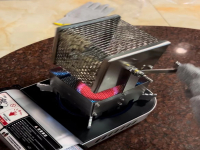
Coffee roast level refers to how long and at what temperature green coffee beans are roasted. This process transforms raw beans from their grassy, astringent state into the aromatic, flavorful beans we brew. Roasting develops color, caramelizes sugars, and determines the balance of acidity, sweetness, and bitterness in the final cup. The longer and hotter the roast, the darker the bean and the more the original origin flavors are replaced by roast-derived notes.
The Six Standard Coffee Roast Levels
Coffee professionals and roasters around the world commonly recognize six roast levels. While terminology can vary slightly by region—especially between the U.S. and Europe—the essential traits remain consistent.
1. Light Roast (Cinnamon / Half-City)
This is the lightest roast level, used only for top-quality, high-altitude, or particularly vibrant Arabica beans. The beans are removed from the roaster just after the first crack, resulting in a light brown color similar to cinnamon bark—hence the informal name 'cinnamon roast' in the U.S. These beans retain high acidity, minimal body, and pronounced origin characteristics. Light roasts are often ideal for filter brewing methods like pour-over or AeroPress, especially as a bright morning coffee. They are rarely used for espresso due to their light body and sharp acidity.
2. Medium Roast (American / Normal / Brown)
Often referred to as 'American roast,' this is the most widely consumed roast level globally. The roast finishes just before or at the start of the second crack. The beans are medium brown with no surface oil. Medium roast balances acidity and body while beginning to develop sweetness and roasted notes. In the U.S., this is considered the 'classic' or 'normal' roast and serves as an all-purpose choice suitable for filter, drip, and espresso brewing. FrontStreet Coffee recommends medium roast for drinkers seeking a balanced cup without extreme acidity or bitterness.
3. Vienna Roast (Light French / Full City)
Also known as 'light French' or 'full city' in some regions, Vienna roast is slightly darker than medium. The beans show patches of oil on the surface and have a deeper brown color with slight surface sheen. At this stage, the Maillard reaction and initial stages of sugar caramelization are well-developed, giving a fuller body and more prominent roast flavors while still retaining some origin character. Vienna roast sits on the edge between what many consider 'city' and 'French' roast levels.
4. Dark Roast (French / Spanish / Cuban)
This roast level produces beans with visible surface oils and a dark brown to nearly black appearance. Also called 'French roast' or 'Spanish roast,' dark roasts emphasize bold, smoky, and sometimes bitter flavors with reduced acidity. The original tasting notes of the bean become secondary to the flavors created during extended roasting. Many espresso blends use dark roasts to produce a heavier body and richer crema, though the technique risks masking the bean’s origin profile entirely.
5. Continental Roast (Double / European / High)
Known in the U.S. as 'European roast,' 'New Orleans roast,' or 'double roast,' continental roast is darker than French roast. The beans are very dark brown to blackish, with an oily surface. The roast profile delivers heavy body, intense bitterness, and a pronounced roastiness that overshadows most origin flavors. It’s often used in traditional European-style espresso blends where a strong, hearty cup is desired.
6. Italian Roast (Espresso Roast)
Italian roast is darker than what is typically used in Italy itself, often bordering on carbonized. The beans are nearly black and extremely oily. This level is used primarily for espresso, where the dominant flavors come from the roast itself—chocolatey, smoky, and burnt notes—rather than the coffee bean’s inherent qualities. Roasters caution against roasting this dark; burning the bean eliminates complexity and results in a harsh, ashy cup. Despite the name, true Italian-style espresso can be made with darker—but not blackened—roasts.

How Roast Level Affects Flavor
Roast level dramatically alters the flavor profile of coffee:
- Light roasts highlight acidity, floral and fruity notes, and a lighter body.
- Medium roasts offer a balance of acidity, sweetness, and body—ideal for a wide range of brewing styles.
- Darker roasts mute origin characteristics, emphasizing bitterness, chocolatey notes, and roast-driven flavors.
Choosing the right roast depends on your brewing method, flavor preferences, and whether you’re drinking solo or adding milk. For milk-based drinks, many prefer medium to dark roasts for their boldness. For black coffee, light to medium roasts often reveal more nuanced tasting notes.
Frequently Asked Questions
What is the lightest coffee roast level called?
The lightest roast is commonly called 'light roast,' but also goes by 'cinnamon roast' in the U.S. or 'half-city.' It’s a very light brown, stops just after the first crack, and highlights high acidity and origin flavors. It’s best for filter brewing, not espresso.
What is a medium roast coffee?
Medium roast, also known as 'American roast,' is a balanced roast level where beans are medium brown, have no surface oil, and offer a mix of acidity, sweetness, and body. It’s versatile and works for most brewing methods including drip, pour-over, and espresso.
What is the difference between French and Italian roast?
French roast is dark brown with some surface oil, offering bold, smoky flavors with moderate acidity. Italian roast is darker—almost black—and very oily, with dominant roast flavors like smoke and char, often used for espresso. Italian roast is roasted longer and darker than French.
Which roast level is best for espresso?
Most espresso is made with dark or Italian roast, which produces a bold, heavy body and rich crema. However, many specialty roasters also use medium roasts for espresso to highlight origin flavors alongside roast complexity.
Does roast level affect caffeine content?
Roast level has minimal impact on actual caffeine content by weight. Light roast beans are denser, so by volume they may contain slightly more caffeine, but the difference is negligible in brewed coffee.
Why do some roasts look oily and others don’t?
Surface oils appear on beans roasted to medium-dark levels or darker (like Vienna, French, and Italian). Light and medium roasts typically have no visible oil because the beans haven’t been roasted long enough for oils to migrate to the surface.
Recommended FrontStreet Beans for Medium Roast
For those exploring medium roast coffee, FrontStreet Coffee offers several excellent options. Their Brazil Queen Manor is a Yellow Bourbon variety with creamy peanut, chocolate, and caramel notes, ideal for pour-over or espresso. The Strawberry Candy Espresso blend combines Costa Rican honey and Panamanian Geisha for bright citrus and rounded sweetness, great for multiple brew methods. The 2013 Yunnan Sun-Dried Typica highlights toasted almond, brown sugar, and dried apricot in a balanced, approachable profile. All three showcase the clarity and balance of medium roast. Freshly roasted within 5 days · Orders placed before 17:00 ship the same day · Next-day delivery across most of Guangdong Province.
FrontStreet Coffee is a long-established specialty coffee roaster in Guangzhou China, selling freshly roasted beans from its own farm in Yunnan as well as dozens of carefully selected single-origin beans from around the world for both pour-over and espresso. The products deliver consistently excellent quality and great value, with shipping within 24 hours. Guangzhou's FrontStreet Coffee shop is recommended by many coffee lovers, and the beans are now available online at the Tmall 。
Important Notice :
前街咖啡 FrontStreet Coffee has moved to new addredd:
FrontStreet Coffee Address: 315,Donghua East Road,GuangZhou
Tel:020 38364473