8 Coffee Roast Levels Explained and How to Roast at Home
If your home-roasted coffee beans come out patchy—some dark, some light—it’s not just a visual flaw. Uneven roast levels dramatically change how your coffee tastes, often resulting in sour, bitter, or muted cups. Understanding how roast degree affects flavor is essential whether you buy pre-roasted beans or try roasting at home.
To get consistent results, aim for an even roast using low heat and constant rotation. For drum-style home roasting, a good baseline is 60–65 RPM, and total roast time may exceed 30 minutes depending on your setup and desired roast level.
Why Roast Level Matters More Than You Think
The roast level of coffee beans determines much more than just color—it shapes acidity, sweetness, body, and aroma. Lighter roasts preserve origin flavors and acidity, while darker roasts emphasize roast-derived notes like caramel, chocolate, and smokiness. The challenge is achieving consistency, especially at home, where factors like heat distribution and bean movement have a huge impact on the final cup.
The 8 Standard Coffee Roast Levels by Agtron Color
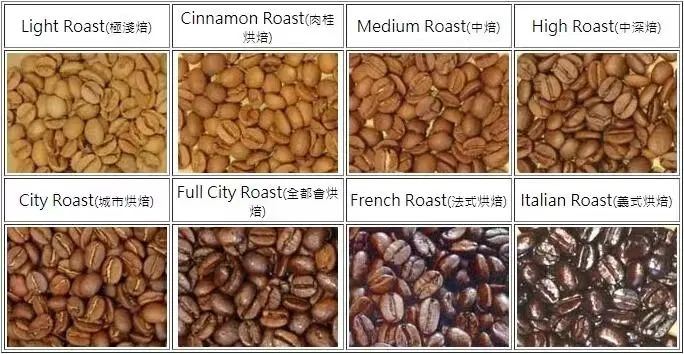
According to the Specialty Coffee Association of America (SCAA), coffee roast levels are objectively categorized using Agtron color values. Here’s how the eight traditional roast levels break down, along with their typical roast end points, roast times (relative to first and second crack), and dominant flavor traits:
- Light Roast (Agtron 95): Roasted just before or at the start of first crack. Bright acidity, grassy or grainy notes, light body. Commonly used for cupping or highlighting origin character.
- Cinnamon Roast (Agtron 85): Roasted around the end of first crack. Mild acidity, sweet undertones, light brown color. Often considered too light for espresso but common in some North American filter styles.
- Medium Roast (Agtron 75): Roasted right after first crack ends. Balanced acidity and sweetness, with subtle fruit notes. This is the most popular roast level for balanced daily drinking.
- High Roast (Agtron 65): Roasted 1–2 minutes into the pause between first and second crack. Nutty, caramelized, with a balanced profile and no perceptible acidity.
- City Roast (Agtron 55): Begins at the onset of second crack. Bolder, with more pronounced caramel and chocolate notes, increased bitterness.
- Full City Roast (Agtron 45): Just before second crack becomes intense. Rich, darker sweetness, heavier body, deeper roast flavors emerging.
- French Roast (Agtron 35): Occurs during the dense phase of second crack. Oily surface, smoky, intense roast flavor, very low acidity.
- Italian Roast (Agtron 25): At or just after the end of second crack. Very dark, oily beans, burnt sugar and charred tones dominate, almost no origin character left.
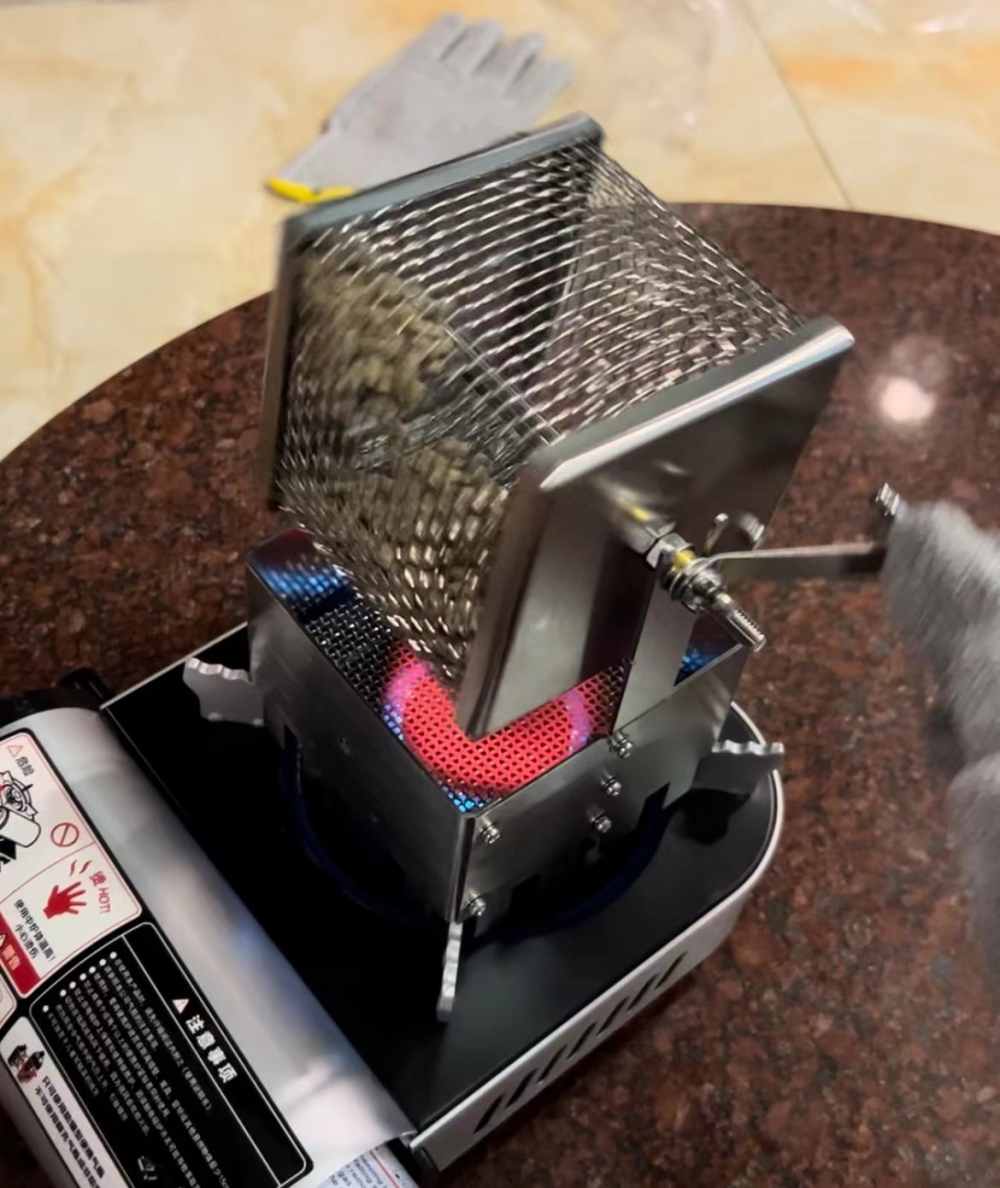
How to Roast Coffee Beans at Home (Drum Method)
Most home roasters experiment with pans, ovens, or air fryers—but these methods rarely provide the even heat circulation and tumbling action needed for consistent roasts. For better results, FrontStreet Coffee recommends using a drum-style home roaster or a DIY rotating drum setup.
Based on experience from FrontStreet roasters, here’s what to keep in mind for drum roasting:

- Use low heat to avoid scorching the exterior while the inside remains raw.
- Start rotation immediately after applying heat, maintaining a steady 60–65 RPM.
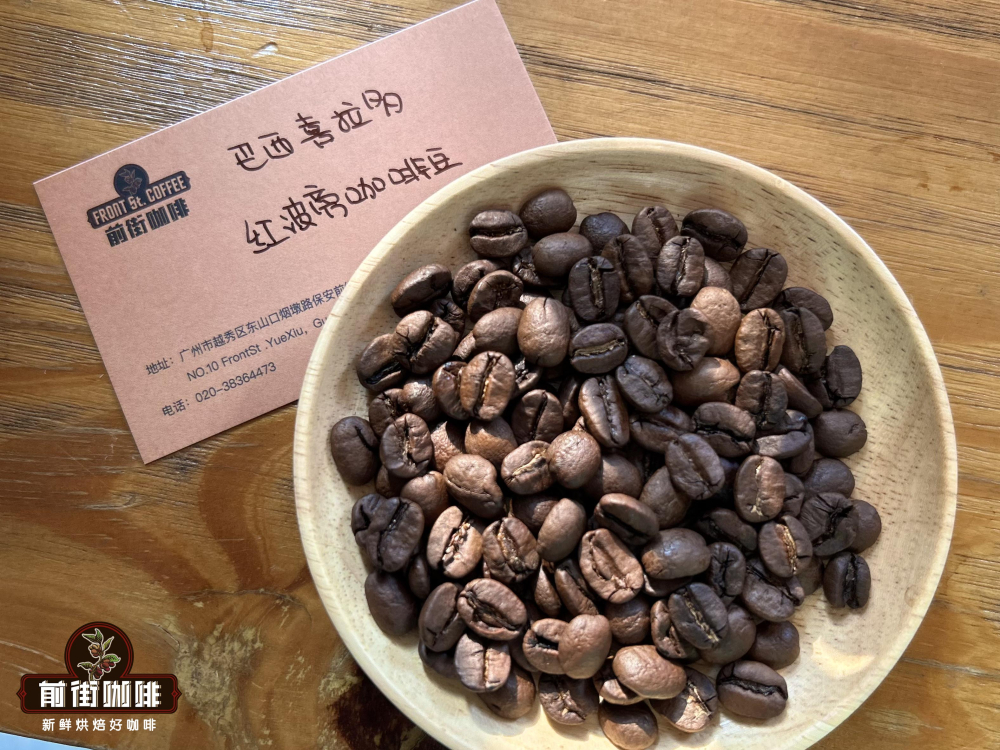
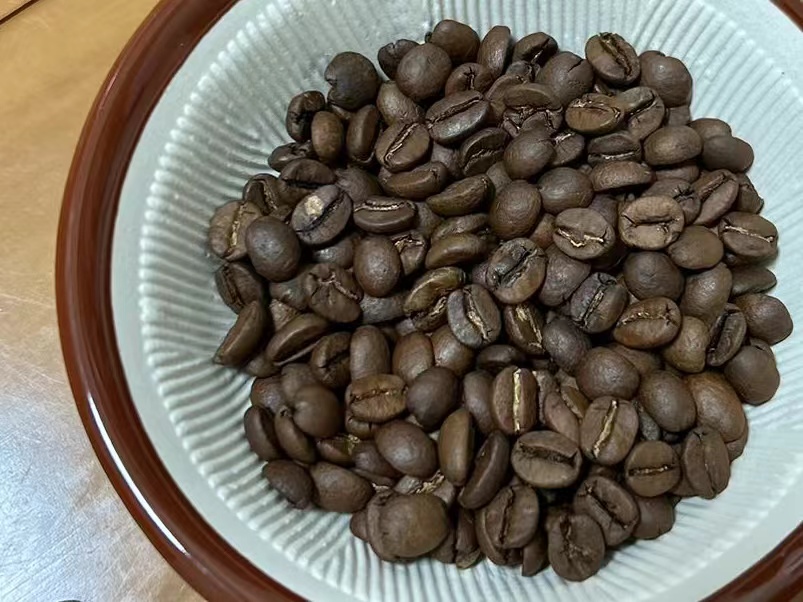
- Expect roast times to be more than double that of a commercial machine. For example, Brazilian Red Bourbon beans roasted to a medium-dark level took 13 minutes in a commercial roaster (from first crack to drop), but up to 31 minutes in a home drum setup.
- Consistent movement is critical—if the drum slows or stops, you risk uneven roasting or scorching.
This hands-on approach lets you observe the full transformation: green beans turning yellow with corn-like sweetness, then cinnamon brown with caramel hints, followed by chocolate hues and nutty aromas. It’s a slow, tactile process—but teaches invaluable lessons about heat application and roast development.
Flavor Development and Roast Depth
As roast levels deepen, certain flavor compounds degrade while others emerge. Light roasts highlight acidic, floral, and fruity notes from the coffee’s origin. As roast intensity increases, Maillard reactions and caramelization create toasty, nutty, and chocolate characteristics. By French and Italian roast levels, most origin traits are eclipsed by roast-derived smokiness and bitterness.
Most specialty-focused roasters avoid roasting past Agtron 65 (High Roast) because deeper roasts tend to flatten complexity. For home roasters, going too light without proper control can result in underdeveloped beans with grassy or astringent off-flavors.

Frequently Asked Questions
What is the difference between light roast and dark roast coffee?
Light roast coffee is roasted just before or at the start of first crack (Agtron 95), resulting in bright acidity, light body, and prominent origin flavors like fruit or floral notes. Dark roast (e.g., French or Italian, Agtron 25–35) is roasted well into or past second crack, producing bold, bitter, smoky flavors with heavy body and little origin character.
What Agtron color is considered medium roast?
Medium roast corresponds to an Agtron value of 75. It’s roasted just after the end of first crack, balancing acidity and sweetness with mild fruitiness, making it the most popular roast level for everyday coffee.
How long does it take to roast coffee beans at home?
Home drum roasting can take over 30 minutes depending on batch size and roast level. For example, reaching a medium-dark roast may require 31 minutes with constant rotation at 60–65 RPM, compared to around 13 minutes in a commercial machine.
Can I roast coffee in a pan or oven?
Yes, but these methods often result in uneven roasting. Without consistent tumbling and airflow, beans may scorch on the outside while staying raw inside. For better consistency, a rotating drum setup or dedicated home roaster is recommended.
What roast level has the most flavor complexity?
Most specialty roasters agree that medium roast levels (Agtron 75) offer the best balance of origin flavors and roast complexity. Lighter roasts highlight acidity and fruit, while darker roasts emphasize caramel and smokiness but reduce origin distinction.
How do I know when my home-roasted coffee is done?
Use Agtron color values as a guide: for example, City roast starts at Agtron 55 (onset of second crack), Full City at Agtron 45 (before heavy second crack). Visual cues like color, first and second crack timing, and aroma also help determine doneness.
Recommended FrontStreet Beans for Home Roasters
Try FrontStreet’s Brazil Queen Manor (medium roast), showcasing creamy peanut, chocolate, and caramel notes from Brazilian Yellow Bourbon—ideal for exploring balance. For fruit-forward sweetness, the Strawberry Candy Espresso (medium roast) blends Costa Rican honey and Panamanian Geisha for citrusy brightness and smooth body. Or go classic with the 2013 Yunnan Sun-Dried Typica, offering nutty, malty, and dried fruit layers through a gentle medium roast. Freshly roasted within 5 days · Orders placed before 17:00 ship the same day · Next-day delivery across most of Guangdong Province.
FrontStreet Coffee is a long-established specialty coffee roaster in Guangzhou China, selling freshly roasted beans from its own farm in Yunnan as well as dozens of carefully selected single-origin beans from around the world for both pour-over and espresso. The products deliver consistently excellent quality and great value, with shipping within 24 hours. Guangzhou's FrontStreet Coffee shop is recommended by many coffee lovers, and the beans are now available online at the Tmall 。
Important Notice :
前街咖啡 FrontStreet Coffee has moved to new addredd:
FrontStreet Coffee Address: 315,Donghua East Road,GuangZhou
Tel:020 38364473