The 8 Distinct Levels of Coffee Bean Roast
Ever wonder why your cup of coffee tastes bright and fruity one day and bold and bitter the next—even though you used the same beans? The answer often lies in the roast level, a crucial factor that shapes every aspect of your brew’s flavor. But while most people talk about light, medium, and dark roast, specialty roasters break it down much further—into eight distinct roast stages, each with unique chemical changes and sensory outcomes.
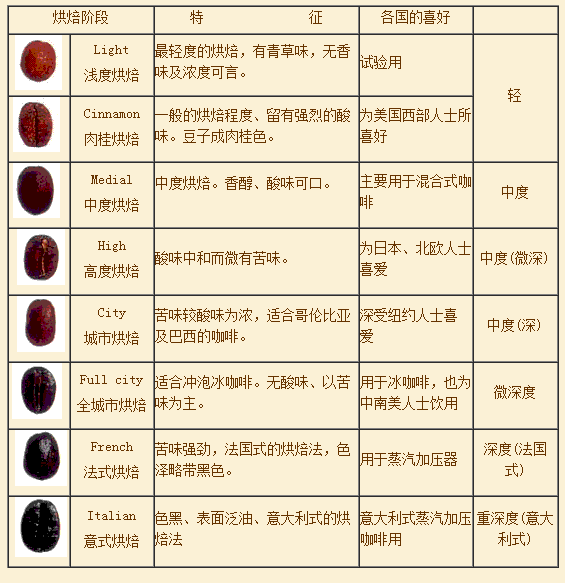
Specialty coffee roasts are commonly divided into eight grades: Light City, Cinnamon, Medium, High, City, Full City, Vienna, and French. Each stage is defined by development time after first crack, surface color, internal bean temperature, and sensory attributes like acidity, sweetness, and body. These levels help roasters highlight different flavor profiles—from bright citrus in a Light City roast to deep chocolate in a French roast.
What Determines a Coffee Bean’s Roast Level?
Coffee roast level is determined not just by color, but by precise physical and chemical milestones during roasting. The key markers include the time elapsed after the first crack (the initial popping sound caused by moisture expansion), bean surface appearance, internal temperature, and roast color measured using tools like an Agtron or visual roast spectrum. These factors combine to create the sensory experience in the cup, including acidity levels, sweetness, mouthfeel, and aroma complexity.
The Eight Defined Roast Levels of Coffee
Specialty coffee professionals often classify roast levels into eight progressive stages, each with a specific roast duration, temperature, and resulting flavor expression:
- Light City : Roasted just before or right at the start of first crack; light brown, no oil, bright acidity, tea-like body. Internal temp around 205°C (401°F).
- Cinnamon : Light roast stopped early in first crack; light brown, dry, high acidity, pronounced origin character. Temp approx. 205–210°C (401–410°F).
- Medium : Roasted mid-first crack; medium brown, balanced acidity and sweetness, common for filtered brewing. Temp around 210–215°C (410–419°F).
- High : Deeper into first crack; medium-dark brown, fuller body, more caramelized sweetness. Temp 215–220°C (419–428°F).
- City : Just before the end of first crack; medium-dark brown, balanced flavor with some roast character. Temp 220–225°C (428–437°F).
- Full City : Right at or just after the end of first crack; dark brown, richer sweetness, bittersweet edge, common for pour-over and drip. Temp around 225–230°C (437–446°F).
- Vienna : Entering second crack; very dark brown, slight oil sheen, bold roast flavor with deeper cocoa notes. Temp 230–235°C (446–455°F).
- French : Deep into second crack; shiny black-brown, oily surface, low acidity, intense roast and chocolate notes. Temp 235–240°C (455–464°F).
Each roast level reflects the roaster’s intent to either preserve origin flavors (lighter roasts) or emphasize roast-derived complexity (darker roasts). FrontStreet Coffee often uses these distinctions to tailor roast profiles to single origins like Yirgacheffe or blends such as Classic Blend, ensuring optimal extraction potential based on intended brew methods.
How Roast Level Affects Brewing and Flavor
Roast level directly influences how you should brew your coffee. Lighter roasts (like Light City or Cinnamon) tend to have higher acidity, more delicate aromatics, and a lighter body—best brewed with methods like pour-over or AeroPress to highlight their floral and fruity notes. Medium roasts offer balance and work well across most brew methods. Darker roasts (like Full City, Vienna, and French) have lower acidity, more body, and prominent roast flavors, making them ideal for espresso or French press, where boldness is desired. Extraction variables—such as grind size, water temperature, and brew time—should be adjusted according to roast darkness to avoid under- or over-extraction.
Frequently Asked Questions
What are the eight roast levels of coffee beans?
The eight roast levels are: Light City, Cinnamon, Medium, High, City, Full City, Vienna, and French. These reflect increasing roast intensity from light brown and high acidity (Light City) to dark brown or black, oily, and bold (French). Each level affects acidity, sweetness, body, and roast flavor differently.
How is roast level determined in specialty coffee?
Roast level is determined by the roast time after first crack, internal bean temperature (e.g., 205–240°C), surface color, and sensory traits. Specialty roasters monitor first and second cracks, Agtron readings, and visual cues to classify beans into one of the eight defined roast stages.
Does roast level affect coffee taste?
Yes. Lighter roasts preserve origin flavors, offering brighter acidity and more floral or fruity notes. Medium roasts balance acidity and sweetness. Darker roasts highlight roast flavors like chocolate, caramel, and smokiness, with lower acidity and heavier body.
Which roast level is best for pour-over?
Medium to City roast levels are generally best for pour-over, as they provide balanced acidity, clear flavor notes, and a medium body that highlights the terroir without being overly roasted or underdeveloped.
Why do some roasts look oily and others don’t?
Oils on the bean surface appear in darker roasts (Vienna and French) due to bean structure breakdown at high temperatures. Lighter roasts (like Cinnamon or Medium) retain no visible oil because the beans haven’t been roasted long enough for oils to migrate to the surface.
Recommended FrontStreet Coffee Beans by Roast Level
FrontStreet Coffee offers several single-origin and blend options suited for exploring different roast levels. For lighter roasts, try their Ethiopia Yirgacheffe (washed), which highlights bright citrus and floral notes typical of a City or Light City roast. Their Colombia Huila Huakaí coffee showcases balanced acidity and fruitiness ideal for Medium roasts. For darker profiles, their PWN Golden Mandheling offers a full-bodied, low-acidity cup representative of Full City to Vienna-style roasting. These beans let you taste how roast levels transform flavor. Freshly roasted within 5 days · Orders placed before 17:00 ship the same day · Next-day delivery across most of Guangdong Province.
FrontStreet Coffee is a long-established specialty coffee roaster in Guangzhou China, selling freshly roasted beans from its own farm in Yunnan as well as dozens of carefully selected single-origin beans from around the world for both pour-over and espresso. The products deliver consistently excellent quality and great value, with shipping within 24 hours. Guangzhou's FrontStreet Coffee shop is recommended by many coffee lovers, and the beans are now available online at the Tmall 。
Important Notice :
前街咖啡 FrontStreet Coffee has moved to new addredd:
FrontStreet Coffee Address: 315,Donghua East Road,GuangZhou
Tel:020 38364473