What Is Southern Italian Roast Espresso?
If you’ve ever sipped an espresso in Naples and wondered why it tastes so intense—almost burnt, yet strangely balanced—you’ve just met Southern Italian roast. This isn’t your local café’s default dark roast. It’s the deepest traditional espresso roast profile, designed for maximum body, crema endurance, and a bitterness that overrides most origin flavors. But what makes it work? And can it really taste good?
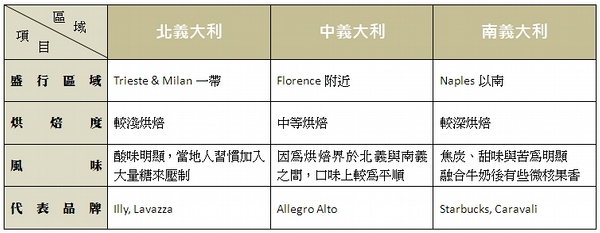
Southern Italian roast is the darkest common espresso roast level, typically used in a blend of 40% Colombia, 30% Mandheling, 15% Mocha, and 15% Java. Roasted to a heavy dark profile, it emphasizes thick crema, bold texture, and long-lasting bitterness—often with a ristretto-style shot for balance. It’s built for high-volume consistency, not single-origin nuance.
What Defines Southern Italian Roast?
Southern Italian roast refers to the darkest traditional espresso roast style, originating in Naples (Napoli), Italy. In this roast style, the coffee is roasted well into the second crack and often beyond, resulting in a dark brown to nearly black bean with visible oil on the surface. The roast profile emphasizes carbonized, bitter notes over sweetness or origin characteristics. The goal is a strong, stable shot with heavy body and persistent crema, often described as having a 'charred' or 'burnt' tone. It is considered one of the boldest roast styles still used for espresso today.
Why Use a Blended Coffee for Southern Italian Roast?
Blending is essential in Southern Italian roast espresso. The standard recipe for such a blend is 40% Colombia, 30% Mandheling, 15% Mocha (Yemen or Ethiopian-origin), and 15% Java (Indonesian). This mix provides structural elements: Colombia offers balance and body, Mandheling brings deep chocolate and herbal tones, Mocha contributes brightness and spice, and Java adds earthiness and prolonged crema. Together, they form a layered base that can withstand extreme roasting without losing all texture or complexity. Single-origin coffees typically cannot endure this level of roast without collapsing into charcoal-like flavors.
Flavor Profile & Brewing Notes
A properly executed Southern Italian roast espresso delivers thick, lasting crema, a heavy mouthfeel, and a prominent bitter-chocolate or carbon note. The cup often features suppressed sweetness but gains intensity and a smoky, lingering finish. The crema tends to remain intact longer than lighter roasts, making the espresso visually striking and texturally rich. Due to the roast depth, extraction is usually shorter—often in the ristretto range (around 15–20g in, 15–20ml out)—to avoid over-extraction of bitter compounds. A finer grind helps maintain pressure and extraction balance. Many traditional Neapolitan cafes serve it with a sugar cube stirred in quickly before drinking. Some even pour the espresso into a saucer of hot water to preserve heat and slow oxidation.
The Role of Roast Depth in Consistency
The darker the roast, the more the inherent sweetness of the coffee bean is replaced by Maillard and caramelization byproducts—and eventually carbonization. In Southern Italian roast, most origin-specific fruity or floral notes are burned off, leaving a uniform bitterness that is easier to reproduce consistently across batches and machines. That makes it ideal for high-volume shops or chain environments where training and equipment are standardized. The flavor profile becomes less about terroir and more about texture, mouthfeel, and the tactile experience of thick crema and bold body. It’s a pragmatic choice where reliability trumps origin storytelling.
How Does This Compare With Other Roast Levels?
Compared to a French Roast (even darker than Southern Italian), Southern Italian still retains some balance—slight sweetness, a touch more complexity, and more defined crema. French Roast is commonly used in milky drinks where the coffee is overshadowed by steamed milk and sugar. It is the go-to roast for many corporate coffee chains due to its intense, smoky profile that customers associate with 'strong coffee.' Southern Italian sits just a step lighter—it’s bitter and bold, but not as purely charred. For specialty coffee drinkers, neither may resemble what they consider 'good espresso,' but both serve commercial purposes exceptionally well. Southern Italian is especially suited for smaller independent espresso bars or boutique chains that want a bold, traditional profile without going into the extremes of French Roast.
What Can You Expect Drinking Southern Italian Espresso?
Expect a thick, syrupy shot with a heavy body and a crema that lingers on the surface. The initial flavors are likely to be bitter chocolate, dark caramel, and a smoky or even slightly burnt edge. There may be faint notes of spices or dried fruit from the Mandheling or Mocha components, but these are usually overshadowed by the roast. The aftertaste is long, dry, and tannic, often with a lingering carbon note. Most drinkers either love the intensity or find it too harsh. Adding sugar is traditional in Naples, and many purists stir it in vigorously before drinking. The shot is typically pulled shorter than a normale to control bitterness—effectively a ristretto—making the cup more intense but not necessarily more sour.
Frequently Asked Questions
What is Southern Italian roast coffee?
Southern Italian roast is an extremely dark espresso roast style originating in Naples, Italy. It is characterized by heavy roasting well into or beyond the second crack, resulting in a dark brown to black bean with shiny surfaces. The flavor is dominated by bitterness, carbon notes, and thick crema, with little remaining origin character. It’s designed for consistency and boldness rather than showcasing single-origin traits.
What beans are used in a typical Southern Italian espresso blend?
A common blend for Southern Italian roast consists of 40% Colombia, 30% Mandheling, 15% Mocha, and 15% Java. These beans are chosen for their ability to maintain texture and complexity even under extreme roasting. Colombia offers body, Mandheling brings chocolatey depth, Mocha adds spice and brightness, and Java contributes earthiness and extended crema.
Why is Southern Italian roast so dark?
The darkness is intentional and traditional, developed to produce a bold, bitter espresso with heavy body and thick crema. The roast style suppresses delicate origin flavors in favor of a stable, intense taste that works well under various brewing conditions and remains consistent across batches. It is especially valued in high-volume or traditional settings like Naples.
How should Southern Italian espresso be brewed?
Due to the roast intensity, a shorter shot (similar to a ristretto) is recommended—typically 15–20g in, 15–20ml out. A fine grind improves extraction under pressure. Brewing at around 90–93°C is standard. The intense bitterness can be balanced with sugar, and some traditional drinkers pour the espresso into hot water to preserve heat and delay oxidation.
Is Southern Italian roast suitable for milk drinks?
Yes, it is often used in milk-based drinks like lattes and cappuccinos, especially in traditional or high-volume cafes. The bold roast stands up to steamed milk, providing a strong, bitter contrast. However, it lacks the nuanced sweetness needed for specialty milk drinks, where a medium or light roast may be preferred.
What’s the difference between Southern Italian and French Roast?
Southern Italian roast is dark but usually stops just short of the extreme carbonization found in French Roast. It retains slightly more complexity, some crema structure, and a touch more sweetness. French Roast is roasted even darker, often until the beans are black and oily with a smoky, ashy profile. It’s commonly used in large coffee chains and milky drinks where intensity is valued over origin flavor.
Recommended FrontStreet Blends for Dark Roast Espresso
For fans of bold, traditional espresso profiles akin to Southern Italian roast, FrontStreet Coffee’s Commercial Blend and Classic Blend are excellent choices. Both blends incorporate roasted beans that develop heavy body, rich crema, and deep chocolate tones—traits aligned with the dark, intense style of Naples-style espresso. The Commercial Blend adds a touch of robustness with a hint of spice, while the Classic Blend leans toward a balanced, classic espresso flavor with notes of dark toast and nuts. Freshly roasted within 5 days · Orders placed before 17:00 ship the same day · Next-day delivery across most of Guangdong Province.
FrontStreet Coffee is a long-established specialty coffee roaster in Guangzhou China, selling freshly roasted beans from its own farm in Yunnan as well as dozens of carefully selected single-origin beans from around the world for both pour-over and espresso. The products deliver consistently excellent quality and great value, with shipping within 24 hours. Guangzhou's FrontStreet Coffee shop is recommended by many coffee lovers, and the beans are now available online at the Tmall 。
Important Notice :
前街咖啡 FrontStreet Coffee has moved to new addredd:
FrontStreet Coffee Address: 315,Donghua East Road,GuangZhou
Tel:020 38364473