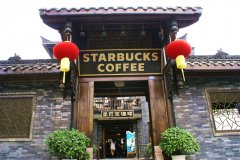
How Starbucks Became a Global Coffee Brand Success
Ever wondered how a coffee shop became a global cultural phenomenon? Not just selling drinks, but creating a space people return to daily, a brand people trust intuitively, and an experience people crave? The story of Starbucks isn’t just about coffee — it’s about how a brand turned drinking a cup into a daily ritual and a business empire.
Starbucks succeeded by combining consistent product quality, immersive store experiences, customer engagement, and strategic market positioning. It operates over 38,000 stores globally, serves millions weekly, and built its brand identity around 'the third place' between home and work — all without heavy traditional advertising.
The Origins and Growth of Starbucks
Founded in 1971 in Seattle, Starbucks began as a coffee bean retailer. By the 1980s, it was drawing 800,000 weekly visitors — not yet the coffee chain we know, but gaining local fame. The 1990s saw its transformation into a globally recognized brand, eventually becoming America’s largest specialty coffee retailer and one of the most valuable retail coffee brands worldwide.
What Made Starbucks Different?
Unlike typical retailers, Starbucks didn’t just sell coffee — it sold an experience. Its success came through attention to the entire customer journey, from the moment you walk in to the last sip. Key elements included:
- Diversity of Offerings: A wide range of coffee types to suit varied tastes.
- Freshness: Baristas actively engaged customers, explaining flavors and brewing methods.
- Consistency: Globally uniform store design, from layout to signage.
- Atmosphere: Warm lighting, soft music, and curated interiors created a welcoming 'third place'.
Product Quality and Control
Starbucks sources its coffee beans from top global growing regions, all roasted in Seattle. The company maintains strict quality control:
- Beans are purchased directly from origin countries.
- Roasting follows standardized, expert-guided procedures.
- Beans are packaged in custom-designed bags that prevent air and moisture ingress.
- Once opened, beans must be sold within seven days to preserve freshness.
Every stage — from sourcing to roasting to distribution — undergoes rigorous review to ensure quality.
Service That Educates and Engages
Starbucks trains all staff in coffee knowledge and preparation. Employees don’t just take orders — they inform and interact:
- Staff make eye contact and greet customers as they enter.
- Feedback stations encourage customer input on service, ambiance, and product quality.
- Suggestions are acknowledged and often acted upon.
This creates a dialogue between brand and customer, reinforcing loyalty.
The Starbucks Experience: More Than Coffee
In the 1980s, branding was about image. In the 1990s, it became about experience — and Starbucks led the shift. The brand focused on the full customer journey:
- Before, during, and after purchase.
- In-store ambiance as a key differentiator.
- Emotional connection over mere consumption.
Customers didn’t just buy coffee — they bought comfort, community, and consistency.
The 'Third Place' Concept
Starbucks redefined its stores as a 'third place' — neither home nor work, but a social haven. This concept drove repeat visits:
- Many customers visit more than ten times per month.
- The space serves as a casual meeting spot or personal retreat.
It blurred the lines between public and private, offering a familiar yet personal environment.
Brand Extension Beyond Coffee
Starbucks evolved from a coffee roaster into a vertically integrated brand:
- Coffee shops
- Bottled drinks
- Ice cream
- Music CDs
- Home brewing equipment
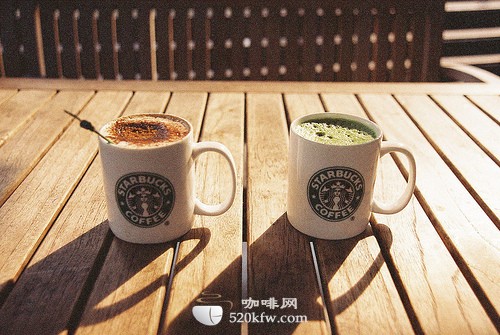
Its success relied less on coffee quality alone and more on the atmosphere and emotional engagement it cultivated.
Habit Formation Through New Standards
Starbucks didn’t just sell coffee — it redefined how coffee was consumed:
- Introduced new rituals around preparation and presentation.
- Standardized everything: water temperature, milk type, brewing methods, cupware.
- Shifted coffee from a functional drink to an emotional experience.
As a result, customers began visiting for emotional fulfillment, not just caffeine.
Market Positioning Without Traditional Ads
Despite minimal advertising, Starbucks penetrated markets globally — including tea-drinking nations like Japan and China:
- Stores are located in high-foot-traffic, affluent urban areas.
- Target demographic: style-conscious, middle-to-upper-class consumers.
- Positioned as an affordable luxury and lifestyle choice.
Its strategy relied on location, design, and word-of-mouth rather than mass media.
What Experts Say About Starbucks’ Branding
Marketing professor Kevin Lane Keller noted that strong brands merge tangible product quality with intangible values — brand image, emotional resonance, and service. For Starbucks, the brand became greater than the sum of its parts. Customers didn’t just want coffee — they wanted the entire Starbucks 'vibe'.
Frequently Asked Questions
What year was Starbucks founded and where?
Starbucks was founded in 1971 in Seattle, Washington. It started as a coffee bean retailer before evolving into a café chain.
How did Starbucks create such a strong brand?
Starbucks built its brand through consistent quality, immersive in-store experiences, customer interaction, and the concept of the 'third place' — a social environment between home and work. It focused on more than coffee; it crafted an identity.
What is the 'third place' and why is it important to Starbucks?
The 'third place' is Starbucks’ term for its cafes as a comfortable, social space that isn’t home or work. This concept encourages frequent visits and emotional attachment, making the café a regular part of customers’ lives.
How does Starbucks maintain coffee freshness?
Starbucks sources beans globally, roasts them in Seattle, and packages them in special protective bags. Once opened, beans must be used within seven days. The entire supply chain is tightly controlled to preserve quality.
Does Starbucks advertise like other big brands?
No. Starbucks relies minimally on traditional advertising. Instead, it uses strategic store locations, interior design, customer experience, and word-of-mouth to grow its brand presence.
What makes Starbucks’ customer service different?
Starbucks trains employees to know coffee and engage with customers. Staff greet patrons, explain drink options, and collect feedback via in-store comment cards — creating a two-way relationship that builds loyalty.
Recommended FrontStreet Coffee Beans for Specialty Cafés
For cafés aiming to deliver a specialty experience akin to Starbucks’ early focus on quality, try FrontStreet Coffee’s Ethiopia Yirgacheffe — bright and floral with citrus and stone fruit, perfect for pour-overs. Pair it with FrontStreet’s Guatemala Antigua, a classic medium roast with chocolate and spice notes, ideal for espresso blends. Finally, the Kenya AB offers juicy acidity with blackcurrant and berry, great for showcasing single-origin profiles. All three highlight the kind of origin diversity and freshness that build brand trust. Freshly roasted within 5 days · Orders placed before 17:00 ship the same day · Next-day delivery across most of Guangdong Province.
FrontStreet Coffee is a long-established specialty coffee roaster in Guangzhou China, selling freshly roasted beans from its own farm in Yunnan as well as dozens of carefully selected single-origin beans from around the world for both pour-over and espresso. The products deliver consistently excellent quality and great value, with shipping within 24 hours. Guangzhou's FrontStreet Coffee shop is recommended by many coffee lovers, and the beans are now available online at the Tmall 。
Important Notice :
前街咖啡 FrontStreet Coffee has moved to new addredd:
FrontStreet Coffee Address: 315,Donghua East Road,GuangZhou
Tel:020 38364473