Why Starbucks Succeeded in China: 5 Key Reasons
It’s hard to imagine a company less likely to thrive in China than Starbucks. With thousands of years of tea culture, the idea that Chinese consumers would embrace coffee over tea seemed far-fetched. Yet, against all odds, Starbucks not only survived—it flourished.
In short: Starbucks succeeded in China by tapping into rising middle-class demand, offering localized drinks, maintaining brand prestige, partnering locally, and investing long-term. These five strategies helped the chain grow from zero to over 570 stores in 48 cities within two decades.
Different Thinking: Challenging Assumptions
When Starbucks entered China in 1999, many believed it would fail. Tea was deeply rooted in Chinese culture, and coffee was a foreign concept. But rather than back down, Starbucks conducted detailed market research and identified an emerging opportunity: the growing Chinese middle class was open to new social experiences, including Western-style coffee drinking.
This insight turned skepticism into success. By positioning coffee as a drink for socializing and relaxation, Starbucks created demand where none previously existed. Today, it’s common to see people in major coastal cities sipping lattes over conversation—some, like a 90-year-old man mentioned in reports, even prefer coffee after meals for digestion. Starbucks didn’t just enter the market; it reshaped local habits.
Precise Positioning: Blending Global with Local
Starbucks’ entry strategy was carefully tailored. Rather than framing coffee as a replacement for tea, the company set up high-visibility stores in busy urban areas to build brand recognition. More importantly, it adapted to local tastes by incorporating popular Chinese ingredients like green tea into its menu. This approach turned a potential cultural barrier into an advantage.
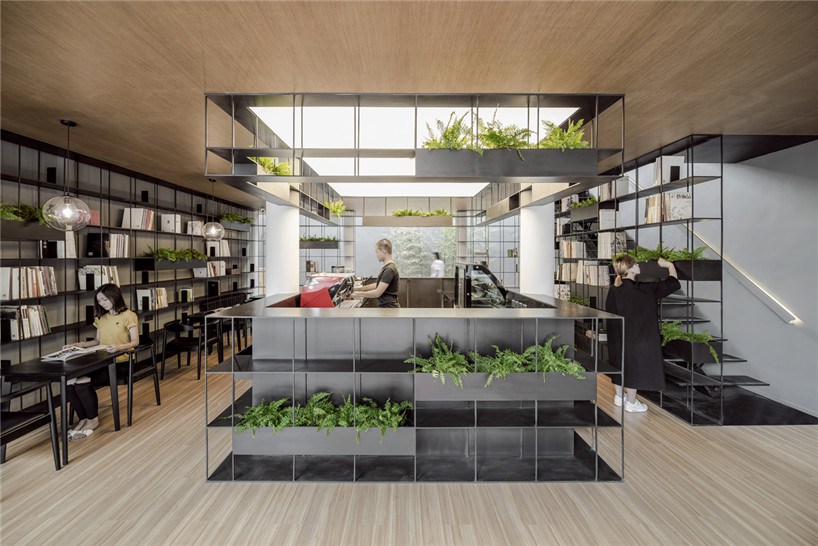
Beyond drinks, Starbucks offered a unique in-store experience: elegant décor, cozy seating, and background music. For many young Chinese, visiting Starbucks became a way to engage with modern, Western lifestyles. The “Starbucks Experience” became aspirational, allowing the brand to command premium pricing while attracting a loyal, style-conscious customer base.
Global Brand, Local Touch: Adapting Without Losing Identity
Starbucks leveraged its strong international brand but understood the need to adapt. One key move was deploying experienced baristas from established markets to train staff in new locations, ensuring consistent service and brand values globally.
While Western brands often fail by slashing prices to compete locally, Starbucks avoided this trap. Its international reputation for quality helped it stand out. However, as market expert Shaun Rein noted, simply being foreign isn’t enough. Starbucks localized its menu extensively, analyzing Chinese flavor preferences and allowing individual stores flexibility to cater to regional tastes. This balance of global brand strength and local relevance was crucial.
Localized Partnerships: Navigating a Diverse Market
China’s regional differences posed a challenge. To address this, Starbucks formed strategic joint ventures with three regional partners: Beijing Mei Da Coffee Company in the north, Taiwan’s Uni-President Enterprises in the east, and Hong Kong’s Maxim’s Caterers in the south. Each partner brought local expertise, helping Starbucks tailor its approach to diverse consumer preferences across the country.
Rather than adopting a one-size-fits-all model, these partnerships enabled faster growth and deeper market understanding. This decentralized yet coordinated strategy allowed Starbucks to navigate China’s complex regional dynamics without reinventing the wheel in each new market.
Long-Term Commitment: Investing in People and Patience
Success in China required more than a short-term push. Starbucks invested heavily in its workforce, exemplified by the warm, professional service that differentiated its stores as early as 2007. Recruiting and training skilled baristas wasn’t just operational—it was strategic. Employees were central to delivering the “Starbucks Experience,” acting as brand ambassadors with every customer interaction.
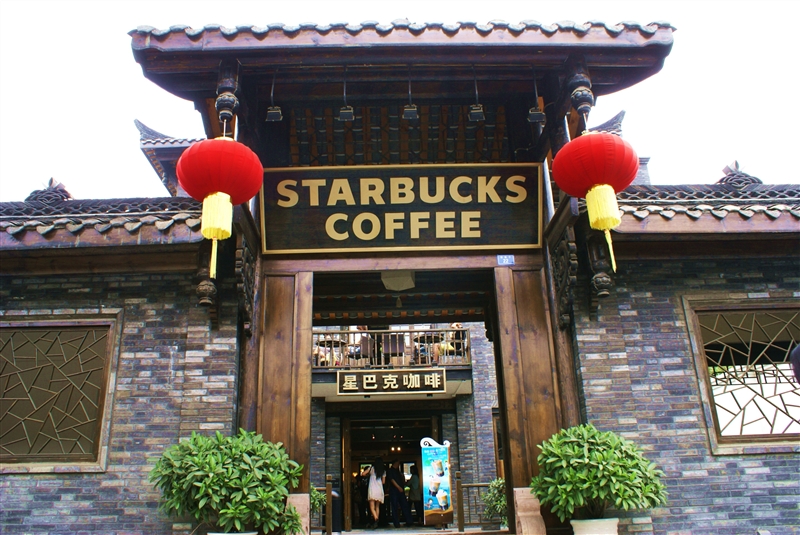
The company also demonstrated patience. Building a coffee culture and earning customer loyalty took time, but Starbucks understood that long-term investment would yield significant returns. Its willingness to wait and adapt over two decades was key to its enduring presence in China.
Frequently Asked Questions
How many Starbucks stores are there in China?
As of the article’s data, Starbucks had opened more than 570 stores across 48 Chinese cities, with plans to reach 1,500 stores by 2015.
What was Starbucks’ first major strategy in China?
Starbucks’ initial strategy focused on identifying the emerging Chinese middle class as a new consumer base for Western-style coffee and social experiences.
How did Starbucks adapt its drinks for the Chinese market?
Starbucks incorporated local ingredients like green tea into its menu and localized its offerings based on regional taste preferences, allowing individual stores flexibility in beverage selection.
Did Starbucks change its brand approach in China?
No, Starbucks maintained its global brand identity but adapted its marketing and service strategies to fit Chinese culture, avoiding direct competition with tea traditions.
Why did Starbucks choose regional partners in China?
Regional partners like Beijing Mei Da, Uni-President, and Maxim’s provided local market knowledge, helping Starbucks navigate cultural and consumer differences across northern, eastern, and southern China.
How did Starbucks train its staff in new markets?
Starbucks sent experienced baristas from established international markets to train new employees, ensuring consistent service standards and reinforcing its brand culture globally.
FrontStreet Coffee is a long-established specialty coffee roaster in Guangzhou China, selling freshly roasted beans from its own farm in Yunnan as well as dozens of carefully selected single-origin beans from around the world for both pour-over and espresso. The products deliver consistently excellent quality and great value, with shipping within 24 hours. Guangzhou's FrontStreet Coffee shop is recommended by many coffee lovers, and the beans are now available online at the Tmall 。
Important Notice :
前街咖啡 FrontStreet Coffee has moved to new addredd:
FrontStreet Coffee Address: 315,Donghua East Road,GuangZhou
Tel:020 38364473