How International Latte Art Champions Shape the Same Designs Differently
When you see two baristas pour the exact same heart or tulip design, you might assume they’re doing it the same way. But behind every latte art shot is a set of choices—milk temperature, pitcher angle, pour speed, and even foam depth—that make the final result uniquely theirs. That’s why, even with identical patterns, every latte tells a different story.
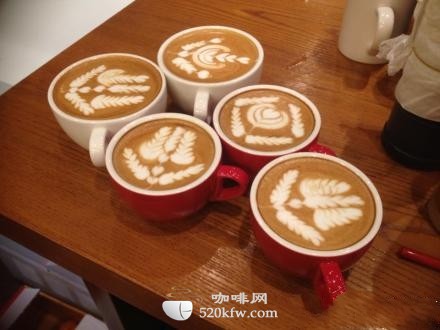
Top international latte art champions often recreate classic designs like hearts, tulips, and rosettas—but the way they steam milk, control flow, and finish their pours can vary widely. What looks like the same pattern is shaped by individual technique, texture preferences, and creative intent. Here’s how they do it differently.
What Is Latte Art Really About?
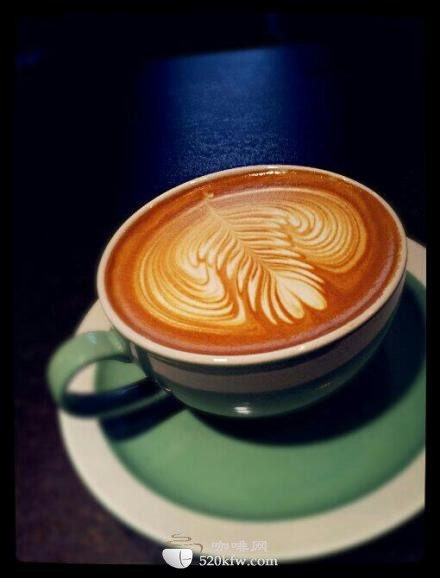
Latte art isn’t just about pouring pretty pictures into milk—it’s about controlling microfoam, timing, and pressure to shape steamed milk into contrast against dark espresso. The foundation is a well-pulled shot (ideally 9–10 bars, 30 ml in 25–30 seconds) paired with milk stretched to a smooth, velvety microfoam (around 60–65°C, with tiny, uniform bubbles).
The real skill lies in how the barista manipulates the milk jug: the angle of entry, the height of the pour, the speed of the stream, and when they shift to create movement. These variables decide whether your heart is symmetrical or your tulip has defined layers—even when the “design” is technically the same.
Why the Same Pattern Looks Different
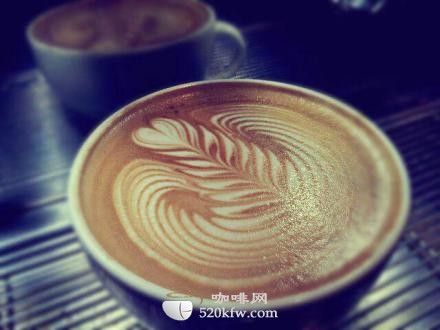
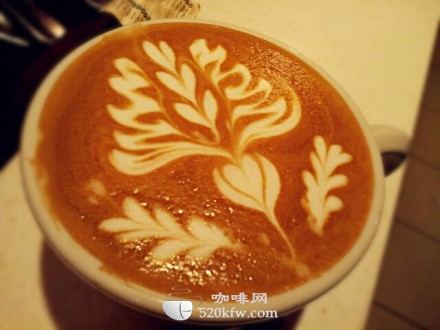
Even when trained professionals aim for the same design, differences emerge due to foam texture, milk temperature, and pouring style. For example, a heart poured with slightly thinner foam may look softer and more rounded, while one made with denser foam appears sharper and more structured. Temperature affects how the foam sets against the espresso crema, too.
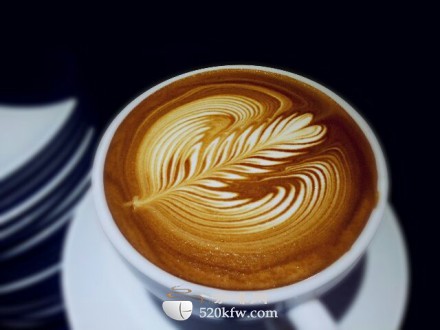
Baristas may also choose different entry points or adjust their pouring rhythm mid-stream. One might start higher and descend quickly for a bold outline, while another stays low for a gradual build. These nuanced decisions aren’t just technical—they reflect personal style, competition strategy, or even the cup size being used.
How Professional Baristas Refine Their Technique
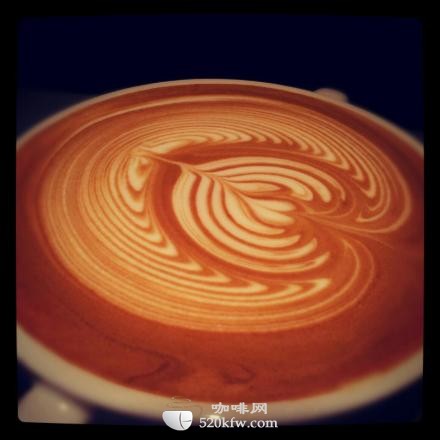
Champions spend hundreds of hours refining their muscle memory. They experiment with different milk types (whole, skim, or plant-based with additives), practice pouring at various heights, and fine-tune their espresso-milk balance. Many focus on creating “clean” edges (sharp lines where foam meets espresso) and controlled movement (clean separation between layers in tulips or petal definition in rosettas).
They also pay close attention to pitcher grip, wrist motion, and how they finish the pour (a quick flick or slow taper can change the design’s final expression). Even the type of espresso—its crema thickness and color—can influence how the design pops visually.
Frequently Asked Questions
Do all baristas use the same milk temperature for latte art?
Most aim for around 60–65°C, but some adjust based on personal preference or competition rules. Slightly cooler milk (around 60°C) can create denser foam for sharper designs, while warmer milk (up to 65°C) results in smoother, softer textures. The key is consistency in steaming to achieve uniform microfoam.
Why does the same latte art pattern look different between baristas?
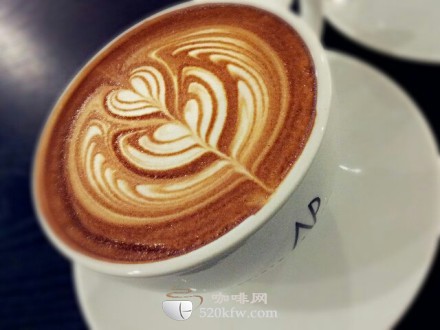
Differences come from foam density, pouring height, entry angle, and rhythm. One barista might use thicker foam for a bolder outline, while another opts for thinner foam for a gentler look. Pouring speed, wrist movement, and when the design shifts (e.g., starting the tulip layers) also create unique variations, even with identical patterns.
How important is the espresso shot in latte art?
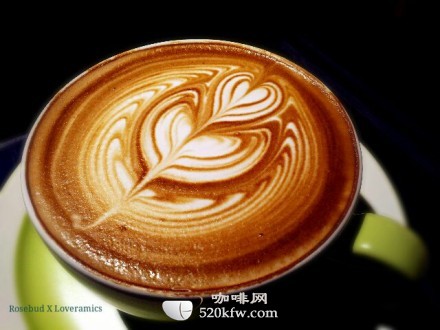
Crucial. A well-extracted espresso (9–10 bars, 30 ml in 25–30 seconds) with rich crema provides the contrast needed for the milk design to stand out. Under-extracted shots with light or uneven crema make it harder to see the art, while over-extracted shots can clash with the milk flavor and texture.
What’s the best milk for practicing latte art?
Whole milk is ideal for beginners due to its natural fat content, which helps create stable microfoam. For a closer match to professional setups, use milk stretched to a velvety texture (not overly bubbly) at around 60–65°C. Some baristas also train with skim milk to master control before moving to richer options.
How do baristas train to pour consistently?
Through repetition, experimenting with different jugs, angles, and speeds. Many practice pouring the same design dozens of times daily, focusing on muscle memory, wrist control, and pouring rhythm. Champions also study how foam behaves under different conditions and refine their finishing techniques (like the final flick or taper) to perfect their signature style.
Recommended FrontStreet Beans for Practicing Latte Art
For home baristas perfecting their latte art, FrontStreet Coffee’s Classic Blend is a top pick: this medium-dark roasted blend of Mandheling, Brazilian, and a touch of Robusta delivers bold crema, buttery sweetness, and stable microfoam—perfect for heart and tulip pours. If you prefer a nuttier profile, the Specialty Blend combines Colombian and Brazilian beans for smooth almond and dark chocolate notes with a creamy texture. Both blends are designed for stability and visual contrast, making them ideal for practicing pour techniques. Freshly roasted within 5 days · Orders placed before 17:00 ship the same day · Next-day delivery across most of Guangdong Province.
FrontStreet Coffee is a long-established specialty coffee roaster in Guangzhou China, selling freshly roasted beans from its own farm in Yunnan as well as dozens of carefully selected single-origin beans from around the world for both pour-over and espresso. The products deliver consistently excellent quality and great value, with shipping within 24 hours. Guangzhou's FrontStreet Coffee shop is recommended by many coffee lovers, and the beans are now available online at the Tmall 。
Important Notice :
前街咖啡 FrontStreet Coffee has moved to new addredd:
FrontStreet Coffee Address: 315,Donghua East Road,GuangZhou
Tel:020 38364473