How to Open a Specialty Coffee Shop: Step-by-Step Guide
Thinking of opening your own specialty coffee shop? It’s exciting—but without a solid plan, you’ll face costly missteps. Most new shop owners dive in without understanding their local market, customer needs, or operational demands. This guide walks you through the full process from research to opening day, so you can avoid common traps and build a shop that thrives.
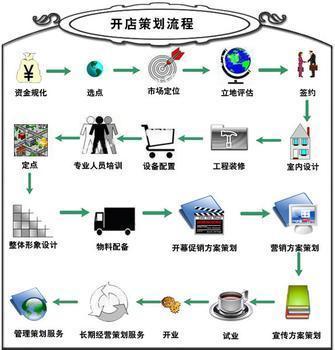
The entire coffee shop opening process takes around six months and is broken into three key stages: market research and prep (1–4 weeks), location build-out and pre-launch (4–12 weeks), and the first six months of operation where your concept is tested and refined.
1. Market Research & Early Prep
This foundational stage sets everything else up. You need clear answers before spending a cent on rent or equipment. First, study your local coffee market: Who are your potential customers? What drinks do they buy? Who are your competitors, and what are their strengths and weaknesses? Understand how people in your area prefer to drink coffee—what sizes, styles, price points, and service experiences they expect.
Next, honestly assess your own abilities, finances, and physical capacity. Can you manage staff, equipment, suppliers, and customers on your own—or do you need help? Overconfidence here sinks shops fast. Define your shop’s scale: Are you a small takeaway spot, a lounge, or an all-day café? Decide on your signature product and overall menu concept. Will you focus on espresso, filter, or both? Choose pricing that fits your market and covers costs. Know your numbers.
Finally, handle the legal and logistical basics. Research local laws on food service, zoning, licenses, health codes, and taxes. Check leasing terms carefully. Begin contacting suppliers for equipment (espresso machines, grinders, water filters), furniture, décor, and ingredients. Know what you need, how much it costs, and who can deliver reliably.
2. Location Setup & Pre-Launch Execution
Once you’ve signed a lease, time speeds up. You now have 4–12 weeks to turn a space into a functioning café—and delays here cost sales. Start with your layout: Map the customer flow, decide where the counter, seating, and brewing stations go. Design a floorplan that supports efficient workflow for baristas. Get this right early, or you’ll waste time and money fixing it later.
Choose construction materials and finalize estimates with builders. Select your equipment—espresso machine, grinder, water system, fridge, and POS—and confirm power, water, and ventilation requirements. Order early; specialty gear often has long lead times. Begin construction with strict budget control. Track changes, manage payments, and don’t let the project balloon in cost or timeline.
While the buildout progresses, apply for your business license. Hire and interview staff. Train them not just in making drinks, but in customer service and safety. Print menus, signage, and marketing materials. Buy servingware—cups, lids, spoons, trays—that matches your brand. Set internal rules: opening/closing procedures, cleaning schedules, cash handling, and safety protocols. Get everything documented before your first customer walks in.
3. Launch & First Six Months of Operation
Your grand opening kicks off the most critical learning phase. For the first six months, you’re not just selling coffee—you’re proving your concept. Watch how customers respond. Are they ordering what you expected? Do they return? Compare real performance to your original vision. Adjust quickly.
Execute the 6Ps of marketing: Product, Price, Place, Promotion, People, and Process. That means refining your drink list based on sales data, adjusting prices if needed, and ensuring your staff delivers consistent quality. Most importantly, maintain high standards for coffee quality and customer service. If your espresso isn’t dialed in or service feels slow, customers won’t come back.
Dive into your sales data. Track daily and weekly metrics: number of customers, average spend, best-selling drinks, peak hours. Use this info to tweak your schedule, staffing, and promotions. Know which drinks sell at what times, and adjust inventory and workflow accordingly. The difference between a shop that survives and one that thrives often comes down to how well operators respond in these first few months.
Frequently Asked Questions
How long does it take to open a specialty coffee shop from scratch?
From market research to opening day, the full process typically takes around six months. The first phase (research and planning) takes 1–4 weeks, the second (location setup and buildout) takes 4–12 weeks, and the third (launch and early operations) begins immediately after opening and continues for at least six months while you refine your offering.
What should I research before opening a coffee shop?
Start with your local market: understand customer preferences, popular drinks, pricing expectations, and competitor strengths. Assess your own financial situation, skills, and physical ability to run the business. Define your shop’s size, menu concept, and signature product. Also research legal requirements, licenses, zoning, and leasing terms before signing any contracts.
How do I design the layout of my coffee shop?
Focus on customer flow and barista efficiency. Decide where the counter, seating, and brewing equipment will go. Plan a floorplan that minimizes staff movement and maximizes service speed. Work with builders early to ensure the layout supports your equipment needs (like water, power, and ventilation) and allows smooth customer movement.
What equipment do I need to open a coffee shop?
Essential items include an espresso machine, grinder, water filtration system, refrigerator, point-of-sale (POS) system, and basic servingware (cups, lids, straws, trays). You’ll also need furniture (tables, chairs, counters), lighting, décor, and interior finishes. List every item, confirm technical requirements, and source reliable suppliers early to avoid delays.
How can I ensure my coffee shop is successful in the first six months?
Track key metrics like customer count, average spend, bestselling drinks, and peak hours. Use that data to adjust your menu, pricing, staffing, and promotions. Focus on consistent coffee quality and customer service. Stay flexible—adapt your offerings and operations based on real feedback and sales patterns during the crucial early months.
Recommended FrontStreet Beans for Café Menus
For a new specialty coffee shop, FrontStreet Coffee’s Ethiopia Humbera offers bright citrus and floral notes with a juicy body—perfect for filter-focused menus. Their Yirgacheffe brings classic berry and lemon zest brightness, ideal for single-origin espressos or milk drinks. For a balanced blend, try the Classic Blend: chocolatey with caramel sweetness and a smooth mouthfeel, great for espresso-based drinks. All three roast profiles suit diverse customer tastes. Freshly roasted within 5 days · Orders placed before 17:00 ship the same day · Next-day delivery across most of Guangdong Province.
FrontStreet Coffee is a long-established specialty coffee roaster in Guangzhou China, selling freshly roasted beans from its own farm in Yunnan as well as dozens of carefully selected single-origin beans from around the world for both pour-over and espresso. The products deliver consistently excellent quality and great value, with shipping within 24 hours. Guangzhou's FrontStreet Coffee shop is recommended by many coffee lovers, and the beans are now available online at the Tmall 。
Important Notice :
前街咖啡 FrontStreet Coffee has moved to new addredd:
FrontStreet Coffee Address: 315,Donghua East Road,GuangZhou
Tel:020 38364473