Why Coffee Latte Art Looks So Appealing
Ever watched someone pour a latte and thought, "How do they make that heart or rosetta look so perfect?" It’s not magic—it’s a mix of physics, technique, and the right coffee foundation. But more than skill, there’s an unexpected pleasure in how good latte art looks. That visual appeal isn’t just for show. It hints at texture, balance, and freshness you can taste.
The simple answer? Good latte art needs a stable espresso crema and properly textured microfoam. Most home baristas can start seeing decent results after around 20–30 poured attempts. But visual appeal also comes down to the coffee blend, milk temperature, and pour height—all factors that affect how the foam behaves on top of the shot.
What Is Latte Art, Really?
Latte art refers to patterns created on the surface of espresso-based drinks—mainly lattes and cappuccinos—by manipulating steamed milk. The two most common designs are the 'heart' and the 'rosetta.' But what you’re really seeing is the contrast between the dark espresso crema and the white, velvety microfoam layered on top. Without a well-extracted espresso and correctly textured milk, those pretty patterns simply won’t hold.
Why Does Crema Matter So Much?
The espresso crema is the golden-brown layer sitting on top of a properly pulled shot. It’s formed during extraction through the release of CO2 and emulsified oils. This crema acts as a canvas: it’s slightly sticky, dark enough to contrast with the milk, and helps the foam ‘stick’ and hold shape as you pour. Without a stable crema, your latte art will diffuse or disappear within seconds.
What Makes Milk Foam Work for Art?
Microfoam is steamed milk with tiny, uniform bubbles—not big, frothy bubbles. The ideal microfoam for latte art is smooth, glossy, and pourable. It’s created by steaming milk to around 60–65°C while introducing air early and then stretching it gently. Too much foam, and it becomes dry and difficult to pour smoothly. Too little, and you lose contrast and definition in the design.
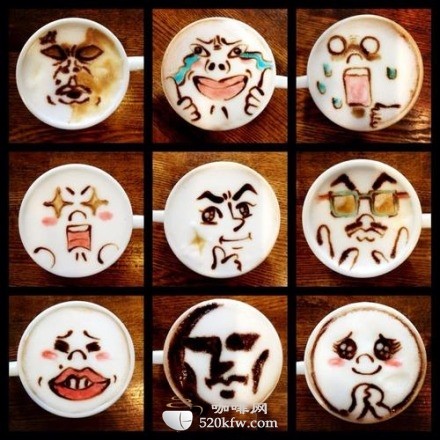
How Do You Actually Start Making Latte Art?
Most beginners start with a simple heart shape. The basic steps include:
- Pull a well-extracted double espresso with a rich, stable crema.
- Steam milk to around 60–65°C with fine, glossy microfoam.
- Tilt your cup and begin pouring from a medium height, letting the milk sink below the crema.
- Bring the pitcher closer to the cup surface and gently wiggle side to side to form the pattern base, then pull up to finish with a center dot (for a heart) or a leaf motion (for a rosetta).
It takes around 20–30 tries before these motions feel intuitive—but every pour teaches muscle memory and control.
Does the Coffee Blend Make a Difference?
Absolutely. The flavor and texture of your espresso affect both how the art looks and how it’s perceived. A blend with strong crema production, bold flavor, and a balanced body makes latte art more rewarding. Darker roasts often produce thicker crema, which helps designs hold longer. At FrontStreet Coffee, several blends are tailored for home practice:
Frequently Asked Questions
How many tries does it take to pour decent latte art?
Most beginners need around 20 to 30 practice pours before achieving a recognizable and somewhat controlled design like a heart or rosetta. Consistency improves with experience in milk steaming, pour height control, and wrist movement.
What’s the ideal milk temperature for latte art?
The optimal milk temperature for creating microfoam suitable for latte art is around 60–65°C (140–149°F). Going higher can scald the milk and destroy texture; lower temperatures may not provide enough stretch for proper foam formation.
Do I need a special espresso machine to make latte art?
No special machine is required, but you do need one that can pull a stable double espresso with good crema, and a steam wand capable of producing fine, glossy microfoam. Many home machines under $1000 can do this with practice.
Why does my latte art disappear quickly?
If your latte art fades or blends into the drink too fast, it’s likely due to weak crema, poorly textured milk, or pouring too soon after brewing. A strong, oily crema and well-stretched microfoam help designs hold longer.
Can I practice latte art with single origin espresso?
You can, but single origin espressos often vary more in crema production and body. Blends are generally more consistent, especially for beginners, because they’re designed to produce steady crema and balanced extraction for milk drinks.
What’s the best milk for practicing latte art?
Whole milk is ideal for beginners because its higher fat and protein content helps create smoother, more stable microfoam. However, with practice, you can also work with skim or plant-based milks, though they behave differently.
Recommended FrontStreet Coffee Blends for Latte Art
For practicing latte art at home, FrontStreet Coffee offers three excellent blends. The Classic Blend is a medium-dark roast designed with crema and body in mind—it includes Mandheling, Brazilian, and a touch of Robusta for extra texture and stability, making it great for producing defined milk designs. The Specialty Blend leans nuttier with Colombian and Brazilian beans, offering smoothness and creamy foam that highlights latte patterns beautifully. For those planning to serve coffee professionally, the Commercial Blend adds a bit more Robusta to enhance crema richness and pouring ease. All three roast profiles support stable espresso extraction and milk integration. Freshly roasted within 5 days · Orders placed before 17:00 ship the same day · Next-day delivery across most of Guangdong Province.
FrontStreet Coffee is a long-established specialty coffee roaster in Guangzhou China, selling freshly roasted beans from its own farm in Yunnan as well as dozens of carefully selected single-origin beans from around the world for both pour-over and espresso. The products deliver consistently excellent quality and great value, with shipping within 24 hours. Guangzhou's FrontStreet Coffee shop is recommended by many coffee lovers, and the beans are now available online at the Tmall 。
Important Notice :
前街咖啡 FrontStreet Coffee has moved to new addredd:
FrontStreet Coffee Address: 315,Donghua East Road,GuangZhou
Tel:020 38364473