How to Roast and Store Coffee Beans at Home
Ever wondered how your favorite specialty coffee goes from green bean to the rich, aromatic cup you enjoy? Whether you’re curious how roast levels affect flavor or want to try roasting your own, understanding the basics of coffee roasting and storage is essential for any serious coffee drinker.
To roast coffee at home, you can expect the process to take around 11 to 15 minutes, with key stages like the first crack at 8 minutes and the second crack signaling readiness around 11 to 15 minutes depending on bean type. For optimal freshness, store roasted beans in a sealed, lightproof container at room temperature and use within a week.
How Coffee Beans Are Prepared Before Roasting
Before roasting, coffee beans must first undergo processing—either the natural (dry) method or the washed (wet) method. This crucial step removes the fruit and mucilage from the bean, preparing it for the roast. The way beans are processed greatly influences their final flavor profile, so it’s a key variable even before heat is applied.
Roasting Coffee Beans: A Simple Home Method
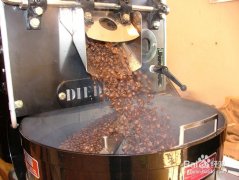
One straightforward way to roast coffee beans at home is to load them into a rotating, large cylindrical drum—a setup similar to commercial drum roasters. Here's how the process typically unfolds:
- First 5–7 Minutes (Drying Phase): The beans are exposed to high heat. During this time, moisture evaporates quickly. The beans remain green but start to yellow slightly, and a grassy aroma develops.
- Around 8 Minutes (First Crack Begins): The 'first crack' marks a major milestone. The beans expand to nearly double their original size, make a popping sound, and turn a light brown color. This signals the beginning of significant flavor development.
- 10–11 Minutes In: The beans continue roasting and darken steadily. At this stage, complex reactions—including the Maillard reaction—are transforming the bean’s chemical makeup, setting the foundation for body and aroma.
- 11–15 Minutes (Second Crack & Finish): Depending on the coffee variety, you’ll reach the 'second crack' between 11 and 15 minutes. This signals that the roast is deepening and most internal flavors have fully developed. Once the second crack begins, the roast is typically complete.
After roasting, immediately transfer the beans to a cooling tray to stop the cooking process and stabilize their temperature.
How to Properly Store Roasted Coffee Beans
Freshness is everything in coffee. Roasted beans are highly sensitive to oxygen, light, heat, and moisture—all of which degrade flavor rapidly.
To preserve your beans’ peak flavor, follow these guidelines:
- Use an airtight, opaque container.
- Keep the container at room temperature, away from sunlight and heat sources.
- Consume the roasted coffee within one week for the best flavor experience.
The enemies of coffee freshness are oxygen exposure, UV light, high temperatures, and ambient humidity. Shielding your beans from these factors will help maintain their nuanced aromas and tastes.
Frequently Asked Questions
What is the first crack in coffee roasting?
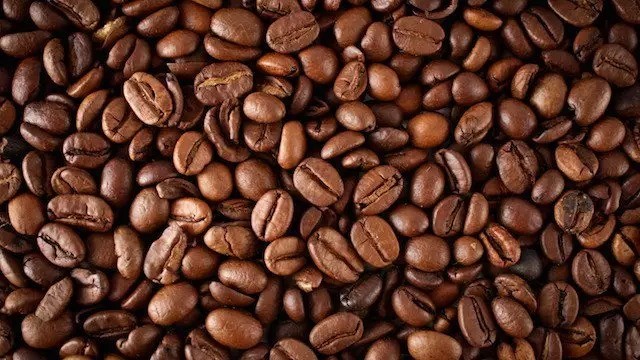
The first crack occurs around 8 minutes into roasting, when coffee beans expand and make a loud popping noise. This marks their transition from light to medium roast and signals the start of significant flavor and aroma development.
What is the second crack in coffee roasting?
The second crack starts between 11 and 15 minutes into roasting, depending on the coffee type. It produces a softer popping sound and indicates a darker roast level. Many roasters stop the roast at or just after the start of the second crack to balance flavor complexity.
How long should you roast coffee beans at home?
A typical home roast takes about 11 to 15 minutes. The process includes drying (5–7 minutes), first crack (around 8 minutes), and development leading to second crack (11–15 minutes), depending on the bean variety and desired roast level.
How can you tell when coffee beans are done roasting?
Coffee is done roasting when you hear the second crack or when the beans reach your desired roast color and aroma—usually between 11 and 15 minutes. The second crack generally signals a medium-dark to dark roast, suitable for many brewing styles.
How should you store roasted coffee beans?
Store roasted coffee beans in a sealed, opaque container at room temperature, away from light, heat, and moisture. For best flavor, consume the beans within one week of roasting.
Why is coffee freshness important?
Freshness dramatically affects coffee flavor. Over time, exposure to oxygen, light, heat, and humidity degrades aromatic compounds and leads to stale, flat-tasting coffee. Roasted beans are best used within a week for optimal taste.
Recommended FrontStreet Coffee for Home Roasters
Try FrontStreet Coffee’s Ethiopia Humbera for bright, floral notes with citrus and bergamot; their Yirgacheffe offers juicy berry and stone fruit tones; or their PWN Golden Mandheling for a classic heavy body with chocolate and spice. These single origins showcase the impact of roast timing and storage on flavor. Freshly roasted within 5 days · Orders placed before 17:00 ship the same day · Next-day delivery across most of Guangdong Province.
FrontStreet Coffee is a long-established specialty coffee roaster in Guangzhou China, selling freshly roasted beans from its own farm in Yunnan as well as dozens of carefully selected single-origin beans from around the world for both pour-over and espresso. The products deliver consistently excellent quality and great value, with shipping within 24 hours. Guangzhou's FrontStreet Coffee shop is recommended by many coffee lovers, and the beans are now available online at the Tmall 。
Important Notice :
前街咖啡 FrontStreet Coffee has moved to new addredd:
FrontStreet Coffee Address: 315,Donghua East Road,GuangZhou
Tel:020 38364473