How to Balance Coffee Dose and Brew Time in Pour Over
Ever brewed a pour over only to end up with weak, underwhelming coffee—or worse, bitter and unpleasant? You’re not alone. One of the most common struggles among home brewers is getting the balance right between how much coffee you use and how long you let it brew. Too little coffee or too short a brew, and your cup lacks body. Too long, and you risk bitter, astringent flavours overpowering everything else. So what’s the right way to adjust?
The simplest fix? To increase strength, add more coffee grounds—not more time. Aim for around 15 grams of coffee to 200 millilitres of water, and keep your brew time under one minute for methods like the AeroPress. For pour over, focus on adjusting your dose first, then optimise grind size and pouring technique to control contact time naturally.
Why Time Matters in Coffee Extraction
When you brew coffee, extraction is what pulls flavours out of the grounds. But time plays a huge role in what exactly gets pulled out. Short extractions often leave you with sour, underdeveloped cups, while long extractions risk pulling out undesirable compounds—think harsh bitterness, dry tannins, and muddy flavours. That’s why controlling brew time is crucial, especially in manual methods like pour over or AeroPress.
Coffee Dose vs. Brew Time: What Actually Changes Flavour?
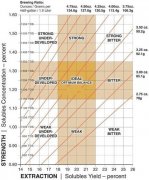
There’s a key difference between boosting coffee strength by adding more grounds and extending brew time. More coffee (a higher dose) increases concentration without necessarily extracting more unwanted flavours. Extending brew time, on the other hand, extracts more from the coffee—including the bad stuff if you go too far. The recommended starting point is a brew time of around one minute (as used with AeroPress), while many pour over methods naturally fall in the 2:30 to 3:30 range depending on grind and technique. The goal isn’t just to hit a time window—it’s to balance dose, grind, and flow to get there.
How to Adjust Your Pour Over for Better Results
To tweak your pour over for better flavour, start with these concrete steps:
- Adjust dose first: Increase coffee grounds (e.g., from 15g to 18g) if you want a stronger cup, keeping your water around 200ml for a balanced ratio.
- Keep brew time in check: Target a total brew time between 2:30 to 3:30 for most pour over setups. If it’s regularly taking longer, your grind may be too fine.
- Use proper water temperature: Around 95°C is ideal for extracting clarity and sweetness without overdoing bitterness.
- Dial in your grind size: Finer grinds slow extraction and increase time; coarser grinds speed it up. Match grind size to your dose and desired brew time.
If you find your coffee tasting bitter or over-extracted, don’t just brew quicker—back off the grind size or reduce the dose. Likewise, if it’s weak or sour, try a slightly higher dose or finer grind rather than simply letting it sit longer.
Frequently Asked Questions

Should I change my brew time or coffee dose to make coffee stronger?
To increase strength without over-extracting bitter flavours, adjust your coffee dose first. Adding more coffee grounds (e.g., 15g to 18g) boosts concentration naturally. Only adjust brew time if you're targeting specific flavour profiles, but avoid going beyond 3:30 for most pour over methods to prevent bitterness.
What’s the ideal brew time for pour over coffee?
For most pour over methods, aim for a total brew time between 2:30 to 3:30. This range allows for balanced extraction of sweetness and acidity without pulling out harsh, over-extracted notes. Exact time may vary based on grind size and pour technique.
Does longer brew time always mean stronger coffee?
No. Longer brew time extracts more from the coffee grounds—including undesirable bitter and astringent compounds. While it may result in a stronger taste, it often leads to unpleasant flavours. Strength should come from the dose of coffee, not excessive brew time.
How many grams of coffee should I use per cup?
A standard starting point is 15 grams of coffee for 200 millilitres (about one cup) of water. This gives a brew ratio around 1:13, suitable for balanced flavour. Adjust up to 18g for a stronger cup, but keep brew time under control to avoid over-extraction.
Can I use the same grind size for all pour over methods?
No. Grind size should be adjusted based on brew time, dose, and method. Finer grinds slow extraction and are better for shorter brews or immersion methods, while coarser grinds suit faster pour overs. Always match grind size to your target brew time.
Recommended FrontStreet Coffee for Pour Over
For pour over brewing, try FrontStreet Coffee’s Ethiopia Yirgacheffe Gedeb for bright citrus, berry, and floral notes with a sweet, tea-like finish. Or choose Ethiopia Humbera for intense tropical fruit aromas and a juicy, smooth profile. Both are light-roasted single origins that highlight clarity and complexity. Freshly roasted within 5 days · Orders placed before 17:00 ship the same day · Next-day delivery across most of Guangdong Province.
FrontStreet Coffee is a long-established specialty coffee roaster in Guangzhou China, selling freshly roasted beans from its own farm in Yunnan as well as dozens of carefully selected single-origin beans from around the world for both pour-over and espresso. The products deliver consistently excellent quality and great value, with shipping within 24 hours. Guangzhou's FrontStreet Coffee shop is recommended by many coffee lovers, and the beans are now available online at the Tmall 。
Important Notice :
前街咖啡 FrontStreet Coffee has moved to new addredd:
FrontStreet Coffee Address: 315,Donghua East Road,GuangZhou
Tel:020 38364473