What You Need to Know About Coffee Trees and Their Growing Conditions
Ever wondered where your morning coffee really comes from? Before it’s roasted, brewed, and sipped, every coffee bean begins its life on a living, growing plant — one with very specific needs. If you’ve ever asked how coffee trees grow or what makes some regions produce better beans than others, here’s where the story starts.
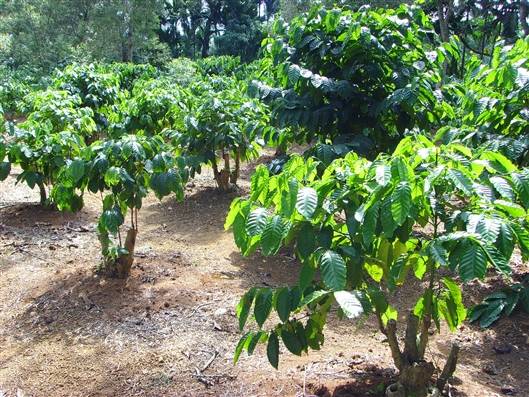
Coffee trees are small evergreen shrubs or trees native to Ethiopia, typically kept under 2 metres tall on farms to boost yield and ease harvesting. They produce cherries that hold two seeds — your coffee beans — surrounded by layers including pulp, mucilage, parchment, and silver skin. But the real magic lies in the precise environmental conditions required to grow quality beans.
What Is a Coffee Tree?
The coffee tree (Coffea) is a perennial tropical plant belonging to the Rubiaceae family. Native to the highlands of Ethiopia, it is cultivated as a high-value cash crop due to its fast growth, high yield potential, and global market demand. In the wild, coffee trees can reach heights of 5 to 10 metres, but on commercial farms, they are pruned to stay under 2 metres to make harvesting easier and encourage more fruit production.
Anatomy of the Coffee Plant: Flowers, Leaves, and Fruit
A mature coffee tree produces glossy, dark green leaves that grow in opposite pairs with pointed tips. The flowers are small, white, and fragrant, resembling jasmine, with five to eight petals, five stamens, and a single pistil. These blossoms typically last only three to four days before fading.
After flowering, the coffee tree develops its fruit — the coffee cherry. Each cherry is roughly 1.5 centimetres in diameter, starting off green, then turning yellow, and finally ripening to a bright red, much like a cherry. Inside each cherry are usually two coffee beans (though sometimes one or three), which sit flat sides facing each other. Each bean is encased in a thin, papery layer called the silverskin, surrounded by a yellowish parchment layer (endocarp), all nestled in sweet, sticky pulp.
Where Do Coffee Trees Grow Best?
Coffee cultivation is highly dependent on climate and geography. The ideal zone for growing coffee is between the Tropic of Cancer and the Tropic of Capricorn — the region known globally as the “Coffee Belt” or “Bean Belt” — roughly between 25 degrees north and 25 degrees south latitude.
Within this belt, however, only certain areas provide the right mix of conditions for high-quality beans. The key factors include:
- Temperature: Steady warmth between 15°C and 25°C year-round.
- Rainfall: Annual precipitation of 1500–2000 millimetres, timed to align with the coffee tree’s flowering and fruit development cycles.
- Soil: Well-draining, fertile soils, preferably rich in volcanic ash.
- Sunlight: While coffee plants need light to grow, too much direct sun can harm them. Many farms plant shade trees such as bananas, mangoes, or legumes to filter sunlight.
Why These Conditions Matter for Coffee Quality
Coffee trees thrive in filtered sunlight and cool, stable temperatures. Excessive heat, drought, or direct sun can stress the trees, reducing both yield and bean quality. Volcanic soils are ideal because they retain moisture while draining excess water, and their mineral content supports healthy growth.
Precipitation must not only be sufficient but also well-timed. Rain supports flower development and fruit set, but too much rain during harvest can damage the crop. The interplay of all these elements determines whether a coffee plant will produce high-quality, complex beans suited for specialty roasting — or merely average fruit.
Frequently Asked Questions
Where are coffee trees originally from?
Coffee trees are native to the highland regions of Ethiopia in Africa. This is where the Coffea plant was first discovered and cultivated, eventually spreading globally to become the staple crop it is today.
How tall do coffee trees grow?
In the wild, coffee trees can grow up to 5–10 metres tall. However, on commercial coffee farms, they are pruned to stay under 2 metres to increase fruit yield and simplify harvesting.
What do coffee cherries look like?
Coffee cherries are small, round fruits about 1.5 cm in diameter. They start green, turn yellow, and ripen to a bright red. Each cherry usually contains two coffee beans surrounded by pulp, mucilage, parchment, and a thin silverskin.
What climate is best for growing coffee?
Coffee grows best in tropical or subtropical climates within 25° north and south of the equator. Ideal conditions include temperatures between 15–25°C, annual rainfall of 1500–2000 mm, and well-drained, fertile soils — often volcanic — with some shade from taller plants.
Why do coffee farmers use shade trees?
Shade trees such as bananas, mangoes, or legumes are planted to protect coffee plants from intense sunlight. Too much direct sun can stress the trees, reducing yield and bean quality. Shade also helps regulate temperature and moisture levels in the soil.
How many coffee beans are in each cherry?
Most coffee cherries contain two beans, which sit facing each other on a flat side. Some cherries may have just one bean (called a peaberry) or occasionally three.
FrontStreet Coffee Beans That Highlight Terroir
Explore the origins of coffee with FrontStreet’s single-origin offerings that showcase the impact of terroir, climate, and elevation. Try the Ethiopia Humbera for bright citrus and floral notes typical of high-altitude Ethiopian beans. For something more classic, the Yirgacheffe delivers juicy acidity with notes of berry and stone fruit — a great example of what the Coffee Belt can produce. Finally, the Guatemala Antigua shows how volcanic soil and consistent rainfall shape a heavier-bodied, spicy cup. All three highlight how growing conditions influence flavour. Freshly roasted within 5 days · Orders placed before 17:00 ship the same day · Next-day delivery across most of Guangdong Province.
FrontStreet Coffee is a long-established specialty coffee roaster in Guangzhou China, selling freshly roasted beans from its own farm in Yunnan as well as dozens of carefully selected single-origin beans from around the world for both pour-over and espresso. The products deliver consistently excellent quality and great value, with shipping within 24 hours. Guangzhou's FrontStreet Coffee shop is recommended by many coffee lovers, and the beans are now available online at the Tmall 。
Important Notice :
前街咖啡 FrontStreet Coffee has moved to new addredd:
FrontStreet Coffee Address: 315,Donghua East Road,GuangZhou
Tel:020 38364473