Coffee Extraction Time and Standards Explained
When your coffee beans have been grown, processed, and roasted just right, two critical steps remain before drinking: grinding and brewing. These final stages define whether your coffee expresses its full potential—or falls flat. Yet many coffee lovers overlook how grind size directly shapes extraction time and, ultimately, flavor. Here’s what actually matters.
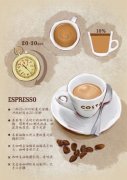
In short: fine grinds brew fastest (under 30 seconds for espresso), medium grinds take around 2–4 minutes (like pour-over or siphon), and coarse grinds need the longest (4 minutes for French press). Water temperatures typically range from 85°C to 90°C across all methods.
How Grind Size Dictates Extraction Time
Think of grind size as the gateway for water to reach coffee solids. The finer the grind, the more surface area is exposed, and the quicker extraction happens. Conversely, coarse grinds slow down water flow, demanding longer contact time.
Here’s how it breaks down by common brew methods:
- Fine grind (espresso/moka pot): Uses 90°C water, extracts very quickly—usually under 30 seconds. Ideal for machines like the moka pot or espresso machines. FrontStreet’s Classic Blend and Black Cocoa Blend are designed for this.
- Medium grind (pour-over, siphon, drip): Typically brewed with water between 85°C and 90°C. Extraction takes around 2–4 minutes. Common in home setups using hand-pour or siphon brewers.
- Coarse grind (French press): Requires the longest brew time, about 4 minutes, using water at 85–90°C. Extraction is slower due to larger particle size and full immersion.
The rule is simple: finer grinds reduce brew time, coarser grinds extend it. Adjusting grind is one of the most powerful tools to control extraction without changing other variables.
What Makes a Good Cup of Coffee?
Beyond the jargon—aroma wheels, flavor notes, TDS readings—there’s a simpler standard. According to industry professionals like Mr. Liang, truly good coffee tastes clean and pleasant on the palate, with no off-flavors. The fragrance should be pure, not muted or masked. Most importantly, the coffee must be fresh. Stale beans, even high-scoring ones, quickly lose their magic.
Freshness aside, clarity and balance matter. You shouldn’t get harsh bitterness, sour astringency, or muddy flavors. A well-extracted cup highlights the bean’s inherent qualities without masking them behind defects.
Why Temperature and Grind Work Together
Water temperature and grind size don’t work in isolation—they interact. Hotter water (up to 90°C) speeds up extraction, which is why it’s used even with finer grinds in espresso. But if your grind is too fine and the water too hot, you risk over-extraction, pulling out bitter compounds. Likewise, a coarse grind with water that’s too cool won’t extract enough, leaving you with sour, underdeveloped flavors.
Most specialty brewing methods aim for a water temperature between 85°C and 90°C. That range balances extraction speed and clarity regardless of grind size. Adjust within that window based on taste: hotter for slower extractions, slightly cooler for faster ones.

Frequently Asked Questions
What is the ideal coffee extraction time by brew method?
For espresso or moka pot, extraction takes under 30 seconds with a fine grind. Pour-over and siphon methods take about 2–4 minutes using a medium grind. French press requires around 4 minutes with a coarse grind. Exact time varies with recipe but these are the typical ranges.
Does grind size affect how long coffee should brew?
Yes. Finer grinds extract faster and thus need shorter brew times, while coarser grinds require longer contact with water. This is why espresso uses fine grinds and fast pressure brewing, while French press uses coarse grinds and full immersion over several minutes.
What water temperature is best for brewing coffee?
Most brewing methods work best with water between 85°C and 90°C. That includes pour-over, siphon, French press, and moka pot. Specialty guidelines aim for consistency in this range to balance extraction and flavor clarity.
Can stale coffee beans still produce a good cup?
No. Freshness is essential for good coffee. Even high-quality beans lose aroma, sweetness, and complexity after about a year, and often much sooner. Always start with freshly roasted beans to ensure a clean, vibrant cup.
Why does my coffee taste bitter or sour?
Bitterness often means over-extraction—too fine a grind, too hot water, or too long a brew time. Sourness usually signals under-extraction: too coarse, too cool, or too short. Adjust grind size or water temperature to bring balance back.
Recommended FrontStreet Beans for Espresso and Immersion Brewing
For espresso or moka pot brewing, FrontStreet’s Classic Blend delivers outstanding crema with a smooth, rich body—perfect for beginners and pros alike. Its traditional (Mandheling-Brazil) profile offers approachable depth. For a more affordable yet flavorful option, the Black Cocoa Blend provides bold, velvety espresso with solid crema at a great price. Both blends are crafted for optimal performance with fine grinds and 90°C water. Freshly roasted within 5 days · Orders placed before 17:00 ship the same day · Next-day delivery across most of Guangdong Province.
FrontStreet Coffee is a long-established specialty coffee roaster in Guangzhou China, selling freshly roasted beans from its own farm in Yunnan as well as dozens of carefully selected single-origin beans from around the world for both pour-over and espresso. The products deliver consistently excellent quality and great value, with shipping within 24 hours. Guangzhou's FrontStreet Coffee shop is recommended by many coffee lovers, and the beans are now available online at the Tmall 。
Important Notice :
前街咖啡 FrontStreet Coffee has moved to new addredd:
FrontStreet Coffee Address: 315,Donghua East Road,GuangZhou
Tel:020 38364473