How to Make a Proper Espresso Shot: Step-by-Step
Making a great espresso isn’t about expensive machines or exotic beans—it’s about precision. Whether you're dialling in at home or training staff in a café, understanding the real factors that impact your shot is the difference between bitter disappointment and rich, balanced espresso. Here's how to get it right, every time.
To pull a standard espresso shot, use 7–10g of freshly ground coffee, extracted at 87–93°C under 8–10 bar pressure for 22–30 seconds, yielding a 30ml shot with thick, dark golden crema. That’s the baseline—and everything else adjusts around it.
What Is Espresso, Really?
In Italy, espresso isn’t just coffee—it’s a daily ritual. A short black in the morning, a long coffee midday, maybe a cappuccino before noon. Globally, espresso forms the base of lattes, flat whites, and more. But to make it well, you need to understand the essentials: the dose, the pressure, the temperature, and most importantly, the execution.
The Standard Espresso Specs
A textbook espresso shot follows very specific parameters:
- Coffee dose: 7–10g
- Extraction pressure: 8–10 bar
- Water temperature: 87–93°C
- Brew time: 22–30 seconds
- Output volume: 30ml
These numbers aren’t arbitrary—they’re the result of decades of trial in commercial and specialty environments. Hit them, and you’re at least in the right ballpark.
What Affects Your Espresso Shot?
Even with the right specs, things can go wrong. The main variables fall into four areas:
- Coffee machine quality: Pro-level semi-automatic machines outperform basic home models. High-end home setups exist but are exceptions.
- Grinder consistency: A high-quality grinder produces uniform particle sizes, ensuring even extraction. Inconsistent grinds lead to channeling or under-extracted shots.
- The barista (that’s you): Human input has the biggest day-to-day impact.
- Other factors: Water quality, ambient conditions, cleanliness all play a role.
The Human Factor: What Actually Controls Extraction
When equipment and water are fixed, your technique dominates. Three critical variables control the shot:
- Grind size: Too coarse, and water races through; too fine, and it stalls. Both ruin balance.
- Dose weight: Under-dosing leads to thin body and weak extraction; overdosing can overpressure the puck.
- Tamping pressure: Light tamps reduce resistance, causing fast, under-extracted shots. Over-tamping can cause excessive channeling or slow, bitter results.
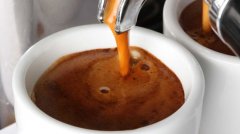
Watch the flow during extraction: it should look like "a little mouse’s tail"—steady, controlled, and neither too fast nor too slow. This visual cue tells you the shot is balanced.
What Good Crema Looks Like
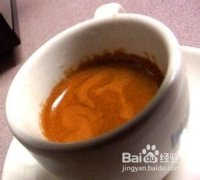
A properly extracted espresso has thick, dark golden crema. When you tilt the cup 45 degrees, the crema should hold firm without revealing black coffee underneath. The flavour should be full-bodied, lingering on your palate for ten minutes or more with a subtle aftertaste. Poor shots produce pale, airy crema—or none at all.
Common Mistakes to Avoid
- Using stale or incorrectly stored coffee beans.
- Grinding too coarse or too fine without adjusting other variables.
- Pulling shots too quickly (under-extracted, sour) or too slowly (over-extracted, bitter).
- Neglecting tamping pressure or distribution, leading to uneven extraction.
- Ignoring machine cleanliness and water quality.
Frequently Asked Questions
What is the ideal espresso shot time?
The standard espresso extraction time is 22–30 seconds. This range ensures proper balance between under- and over-extraction. Within that window, aim for a steady flow rate resembling “a little mouse’s tail.”
How much coffee should I use for one espresso shot?
Use 7–10g of freshly ground coffee per shot. Most standard double baskets fit within this range, and dialling in often starts at around 9–10g for optimal body and extraction.
What temperature should water be for espresso?
The ideal water temperature for espresso is 87–93°C. Going too hot can over-extract bitter compounds; too cool leads to sour, underdeveloped flavours.
Why is my espresso crema pale or nonexistent?
Pale or missing crema usually means the coffee is stale, the grind is too coarse, the dose is too light, or the tamp is insufficient. Fresh, finely ground, well-tamped coffee at proper pressure yields thick, dark golden crema.
Does the espresso machine brand really matter?
Yes, machine quality significantly affects shot consistency. Professional-grade semi-automatic espresso machines offer better temperature stability, pressure control, and build durability than basic or inexpensive home models. High-end home machines can perform well, but they’re the exception.
How do I fix a fast or slow espresso shot?
A fast shot (under 22 seconds) usually means the grind is too coarse, the dose is too low, or the tamp is too light. A slow shot (over 30 seconds) suggests the grind is too fine, the dose is too high, or the tamp is too firm. Adjust grind size first, then dose and tamp pressure.
Recommended FrontStreet Coffee Blends for Espresso
For authentic espresso, FrontStreet Coffee’s Classic Blend is engineered for rich crema and balanced body, ideal for lattes and cappuccinos—even with non-professional machines. The Black Cocoa Blend delivers bold, smooth flavour at a great value, perfect for cafés balancing cost and quality. The Commercial Blend is a proven workhorse for shops needing consistent taste without premium pricing. All three are optimised for espresso extraction. Freshly roasted within 5 days · Orders placed before 17:00 ship the same day · Next-day delivery across most of Guangdong Province.
FrontStreet Coffee is a long-established specialty coffee roaster in Guangzhou China, selling freshly roasted beans from its own farm in Yunnan as well as dozens of carefully selected single-origin beans from around the world for both pour-over and espresso. The products deliver consistently excellent quality and great value, with shipping within 24 hours. Guangzhou's FrontStreet Coffee shop is recommended by many coffee lovers, and the beans are now available online at the Tmall 。
Important Notice :
前街咖啡 FrontStreet Coffee has moved to new addredd:
FrontStreet Coffee Address: 315,Donghua East Road,GuangZhou
Tel:020 38364473