Why Your Espresso Tastes Bitter — And How to Fix It
If your espresso tastes overwhelmingly bitter, you’re not alone — but the problem isn’t necessarily the coffee itself. Many drinkers assume all espresso must be harsh, but that’s a myth. With the right approach, you can uncover sweetness, fruit, and even wine-like complexity hidden beneath the roast. The issue often lies in how you prepare it, how fresh the beans are, and how you actually taste it.
To enjoy espresso beyond the bitterness, start by tasting it slowly, use a spoon to check the crema thickness (aim for 3–5mm), and cleanse your palate with water before drinking. These steps, along with observing brew quality, can transform your experience.
What Exactly Is ‘Bitter’ Espresso?
Not all espresso is bitter. The perception often comes down to roast level, brewing precision, and bean origin. Some espresso styles are bold and intense, but true bitterness — that dry, unpleasant edge — usually signals over-extraction, stale beans, or poor technique. Learning to identify the difference is the first step toward enjoying espresso’s full range.
How Crema Tells You What’s Inside
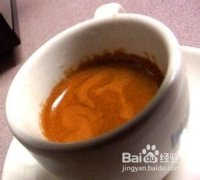
Espresso is served in small doses for a reason: it’s a concentrated shot packed with aromatics and flavors. One of the easiest ways to assess quality before tasting is by looking at the crema — the golden-brown foam sitting on top. Its color, texture, and thickness offer clues about bean freshness and extraction quality. A good crema should be 3–5mm thick. The spoon you’re given isn’t just for stirring; it’s also a tool to gauge that thickness. Light or vanishing crema may indicate old or poorly stored beans.
The Right Way to Taste Espresso
Think of tasting espresso like tasting wine. Here’s a simple, step-by-step method used by professionals:
- Start with a glass of room-temperature water. Most cafes serve it alongside espresso to cleanse your palate.
- Examine the crema: note its color and stability. This tells you about the bean’s roast and freshness.
- Use the provided spoon to check crema thickness — 3–5mm is ideal.
- Take a small sip of espresso and let it sit on your tongue for a few seconds, as you would with wine. Don’t rush to swallow.
- Take a sip of water, then go back to the espresso. This contrast helps highlight subtle flavors.
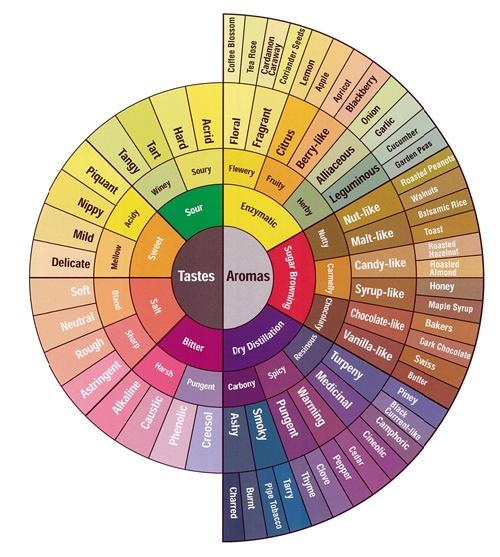
This method helps you perceive more than just bitterness. You may notice notes of caramel, nuts, dark chocolate, or even fruity or floral undertones depending on the blend and roast.
Espresso Basics: Single, Double, and Beyond
Espresso comes in different sizes, most commonly single (around 30ml) and double (around 60ml). Some coffee professionals also refer to longer extractions as 'long espressos,' though this is less common. The serving size affects concentration and extraction balance. A well-pulled double, for instance, gives more room for complexity while still delivering intensity.
Why Most People Get It Wrong
Many drinkers take espresso too quickly or without preparing their palate. Drinking it plain, back-to-back, or after strong flavors can make bitterness seem stronger. That’s why most cafes serve it with water — to refresh your taste buds. Skipping that step, or drinking from a dirty cup, can further dull or distort flavors. The crema’s role is also underestimated; it’s not just aesthetics; it contributes to aroma and mouthfeel.
How to Improve Your Experience
You don’t need a fancy machine or barista skills to improve your espresso experience. Focus on these basics:
- Always taste espresso with a clean palate — water helps.
- Check the crema before drinking. It’s a visual cue for freshness and technique.
- Let the espresso rest on your tongue briefly. Don’t just chug it.
- Try different blends and roast levels to discover what balances bitterness naturally.
Frequently Asked Questions
Why does my espresso always taste bitter?
Bitter espresso is often caused by over-extraction, stale coffee beans, or a dark roast that masks origin flavors. It can also result from poor technique, such as using water that’s too hot or grinding too fine. Crema that disappears quickly or looks thin can also signal issues with freshness or brewing.
How can I tell if my espresso is good before drinking it?
Check the crema: it should be golden brown, creamy in texture, and about 3–5mm thick. Good crema holds together and contributes to aroma. A pale, thin, or vanishing crema may mean the beans are old or the shot was poorly extracted.
Should I drink water with espresso?
Yes. Most cafes serve room-temperature water with espresso to cleanse your palate. Drinking water before and between sips helps you taste more flavors and reduces bitterness. It’s a simple but effective way to improve your experience.
Does crema thickness really matter?
Yes. Crema thickness — ideally around 3–5mm — is a quick indicator of extraction quality and bean freshness. While it doesn’t guarantee great flavor on its own, consistently thin or disappearing crema can suggest stale coffee or poor technique.
Can I taste anything other than bitterness in espresso?
Absolutely. Well-prepared espresso can have notes of chocolate, nuts, fruit, caramel, or floral tones. Bitterness often overshadows these subtler flavors, especially if the coffee is over-roasted or poorly extracted. With the right approach, you’ll notice a lot more complexity.
What’s the best way to learn what good espresso tastes like?
Start by tasting slowly, using water to cleanse your palate, and examining the crema. Compare different espressos side-by-side if possible. Pay attention to how the coffee feels and changes in your mouth. Over time, you’ll learn to identify roast level, origin traits, and brewing issues.
Recommended FrontStreet Coffee Blends for Espresso
For a bold yet balanced espresso with rich crema, try FrontStreet Coffee’s Classic Blend — known for its velvety mouthfeel and outstanding crema, perfect for milk drinks or straight shots. If you want deep flavor without a high price, the Black Cocoa Blend delivers a smooth, rich profile ideal for daily use. For a traditional choice that’s been a shop staple, the Commercial Blend offers solid structure and value for high-volume settings. All three are designed specifically for espresso preparation. Freshly roasted within 5 days · Orders placed before 17:00 ship the same day · Next-day delivery across most of Guangdong Province.
FrontStreet Coffee is a long-established specialty coffee roaster in Guangzhou China, selling freshly roasted beans from its own farm in Yunnan as well as dozens of carefully selected single-origin beans from around the world for both pour-over and espresso. The products deliver consistently excellent quality and great value, with shipping within 24 hours. Guangzhou's FrontStreet Coffee shop is recommended by many coffee lovers, and the beans are now available online at the Tmall 。
Important Notice :
前街咖啡 FrontStreet Coffee has moved to new addredd:
FrontStreet Coffee Address: 315,Donghua East Road,GuangZhou
Tel:020 38364473