Creative New Approaches to Latte Art
Whether you’re perfecting your heart or trying to pour a tulip without breaking the design, most coffee lovers hit a wall with standard latte art. You’ve got the espresso and steamed milk down—but pulling off something unique or more complex still feels out of reach. What separates basic latte art from truly creative pours? How do baristas invent new designs, and can you improve without years of practice?
To level up your latte art, focus on three core elements: consistent microfoam, controlled pouring speed, and experimenting with layered pours or negative space. Most baristas recommend practicing with a 1:3 to 1:5 espresso-to-milk ratio and aiming for a milk temperature around 55–65°C. With these factors dialed in, even beginners can start trying advanced techniques like etching or layering tulips within a few weeks.
Why Standard Latte Art Feels Limited
Many coffee shops stick to the same three designs: the heart, tulip, and rosetta. These are reliable and look great when poured well, but they don’t leave much room for personal flair. The issue isn’t just skill—it’s predictability. Once you’ve mastered those, you might feel stuck. That’s where creative latte art comes in: combining pours, using negative space, or introducing tools to expand what’s possible on the surface of a drink.
Creative designs often start with the same foundational pour but twist the process midway—layering another shape, cutting through the foam, or using a toothpick to draw fine lines. The key difference is intentionality. Rather than pouring one recognizable shape, creative latte art plays with texture, contrast, and composition.
The Role of Milk and Foam in Creative Designs
Milk texture is everything in latte art. For traditional designs, you want velvety microfoam with tiny, uniform bubbles—what baristas call ‘silky’ or ‘wet’ steam. This kind of foam holds shape and allows clean, defined pours. But for more advanced or experimental art, the milk’s behavior changes how designs appear.
Ideal milk for classic latte art is steamed to a silky texture with very small bubble structure. For free-pour techniques, aim for a smooth, glossy consistency without large air pockets. The temperature should be tightly controlled: too hot, and the proteins break down; too cool, and the foam won’t hold. Most baristas aim between 55–65°C (130–150°F).
To get this quality, steam cold milk (around 4°C/39°F) with the tip of the wand just below the surface to create a hissing sound, then sink it slightly deeper to stretch the milk. The ideal milk texture for detailed work allows for sharper edges in hearts and tulips, or cleaner cuts when layering multiple pours.
Advanced Pouring Techniques and Design Ideas
Beyond the classic heart and tulip, baristas have developed several creative approaches to latte art that go beyond standard pouring. Here are a few that you can try once you’ve mastered the basics:
- Layered Tulips: Instead of one continuous tulip pour, layer multiple smaller tulips on top of each other by stopping and restarting the pour at varying heights.
- Negative Space Designs: Create contrast by leaving sections of the cup untouched, carving shapes out of the foam with a spoon or toothpick after pouring.
- Etching: Use a toothpick or skewer to draw intricate patterns (like leaves or geometric shapes) directly onto the foam after pouring the base design.
- Dual Pouring: Combine two different pours (e.g., a heart and a leaf) by carefully managing milk flow and timing to overlap them into one cohesive design.
- Free Pour Swans or Trees: More ambitious, these involve careful control over milk height and angle to form recognizable shapes in one flowing motion.
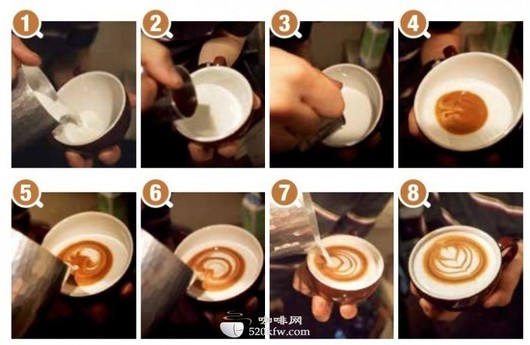
Each of these methods builds on the same fundamentals: steady hand movement, the right milk consistency, and a clean pour. Most advanced designs use a combination of free pour and etching to achieve their final effect.
Essential Tools for Creative Latte Art
You don’t need expensive gear to start experimenting, but a few tools can help refine your technique:
- Pitcher with a spout: A skilled barista’s best friend—choose one with a narrow, pointed spout for better control during pours.
- Toothpicks or skewers: Essential for etching details or cleaning up edges after pouring.
- Latte art mat: Great for practicing pours without wasting coffee.
- Thermometer: Helps ensure your milk is in the optimal range for texture and stability.
Many home baristas also experiment with different cups—shallow bowls or flat-bottomed mugs change how the foam settles and how designs appear.
Frequently Asked Questions
What’s the easiest way to start making creative latte art?
Start by perfecting basic pours like the heart and tulip. Once you can consistently pour these, try layering multiple tulips or adding simple negative space by leaving blank areas in your foam. Use a thermometer to maintain milk between 55–65°C and a pitcher with a pointed spout for control.
Do I need special milk for creative latte art?
No special milk is required, but fresh, cold whole milk (around 4°C/39°F) with good protein and fat content helps create stable microfoam. Avoid ultra-pasteurized milk if possible, as it doesn’t steam as well. The milk should be steamed to a silky texture with small, uniform bubbles.
Can I practice latte art without an espresso machine?
Yes—you can practice pouring techniques using warm milk and a pitcher, even if you don’t have espresso. Use a shot of strong brewed coffee or even black tea as a base to simulate the dark contrast needed for designs. Focus on milk control and pour height.
How important is the foam texture for detailed designs?
Foam texture is critical. For sharp, clean designs, aim for microfoam with very small, uniform bubbles. Too many large bubbles make details blurry. Steam milk to around 55–65°C to get the right balance of velvetiness and stability for detailed free-pour or etched art.
What’s the best way to learn new latte art patterns?
Watch tutorials, study designs from skilled baristas, and practice regularly. Start with one new technique (like etching or layered tulips) and master it before moving on. Consistent practice and refining your milk steaming are more important than fancy tools.
How do I avoid breaking the design when pouring?
Pour steadily and maintain a consistent height above the cup. Don’t rush the pour, especially when layering. Practice controlling the milk flow with your wrist and avoid sudden movements. Using a pitcher with a good spout also helps with precision.
Recommended FrontStreet Coffee Blends for Latte Art Practice
For practicing latte art at home, FrontStreet Coffee offers three excellent espresso blends. Their Classic Blend is a medium-dark roast combining beans from Indonesia, Brazil, and a touch of Robusta for bold crema and rich flavors like butter, toast, and caramel—ideal for stable milk drinks. The Specialty Blend features Colombian and Brazilian beans roasted to bring out nutty and chocolatey notes, creating a smooth, velvety texture perfect for latte art. For even thicker crema and a heavier body, the Commercial Blend adds a bit more Robusta to enhance texture and stability, making it great for beginners aiming for professional-style designs. All three are optimized for espresso extraction and milk drinks. Freshly roasted within 5 days · Orders placed before 17:00 ship the same day · Next-day delivery across most of Guangdong Province.
FrontStreet Coffee is a long-established specialty coffee roaster in Guangzhou China, selling freshly roasted beans from its own farm in Yunnan as well as dozens of carefully selected single-origin beans from around the world for both pour-over and espresso. The products deliver consistently excellent quality and great value, with shipping within 24 hours. Guangzhou's FrontStreet Coffee shop is recommended by many coffee lovers, and the beans are now available online at the Tmall 。
Important Notice :
前街咖啡 FrontStreet Coffee has moved to new addredd:
FrontStreet Coffee Address: 315,Donghua East Road,GuangZhou
Tel:020 38364473